

 English
  中文简体
中文简体  русский
  Español
  عربى
عربى 
Content
- 1 1. What is Single Sided Mesh Fabric and How Does It Differ from Double Mesh
- 2 2. Is Single Sided Mesh Fabric the Right Choice for Your Next Project?
- 3 3. Why is Single Sided Mesh Fabric So Breathable? The Science Behind the Weave.
- 4 4. How Durable is Single Sided Mesh Fabric Against Tearing and Abrasion?
- 5 5. Is Single Sided Mesh Fabric the Best Material for Lightweight Sportswear?
- 6 6. Can Single Sided Mesh Fabric Improve the Comfort of Industrial Safety Vests?
- 7 7. Should You Choose Single Sided Mesh Fabric for Lining or Outer Shells?
- 8 8. What are the Top 5 Advantages of Single Sided Mesh Fabric in Footwear Design?
- 9 9. How to Wash Single Sided Mesh Fabric Without Damaging the Mesh Structure?
- 10 10. Is Single Sided Mesh Fabric Compatible with Sublimation Printing?
- 11 FAQ: Frequently Asked Questions
- 12 References & Technical Literature
1. What is Single Sided Mesh Fabric and How Does It Differ from Double Mesh
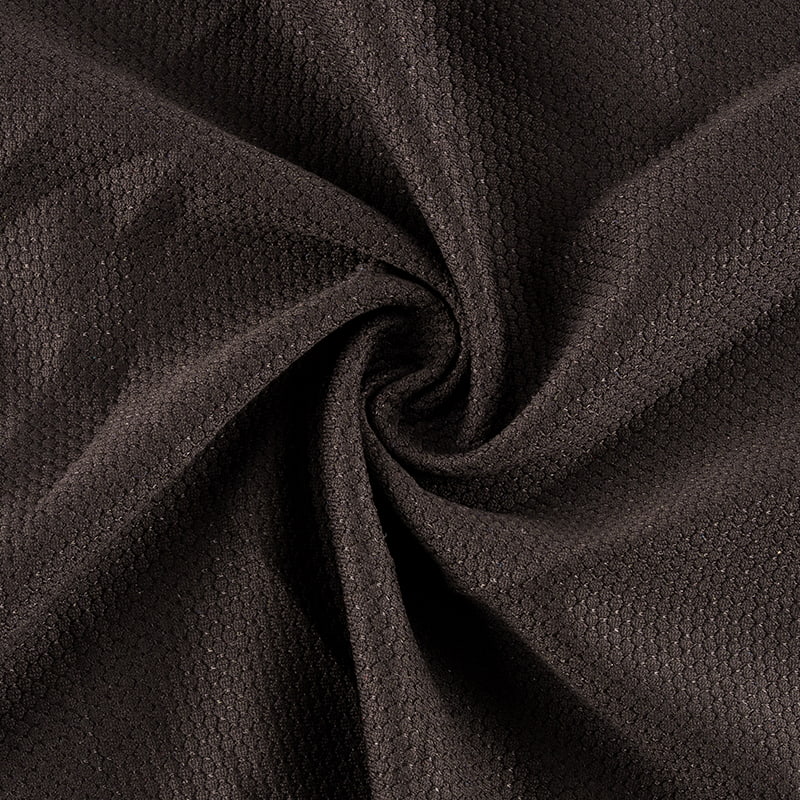
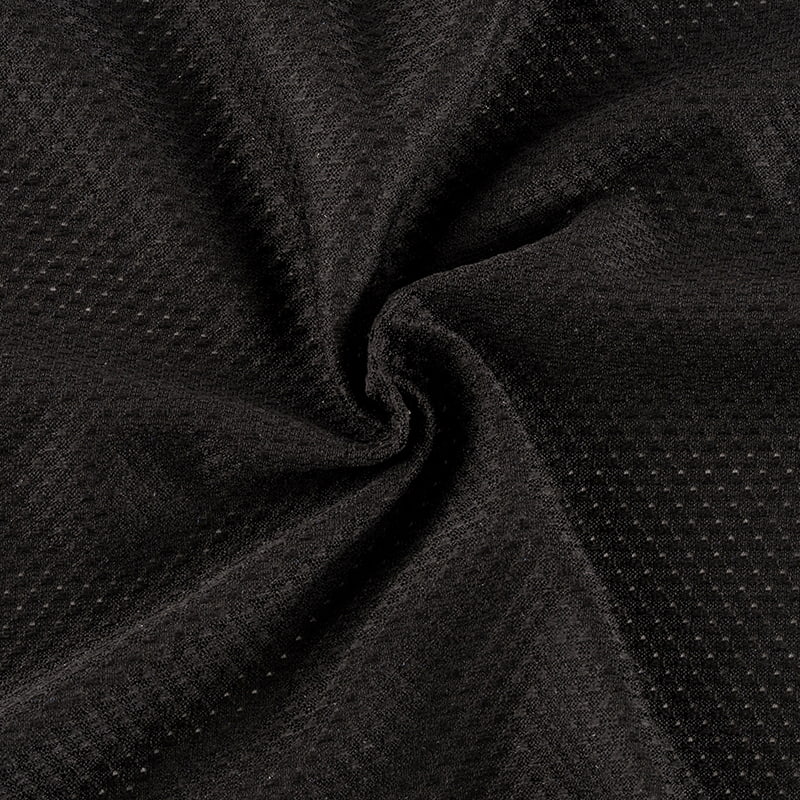
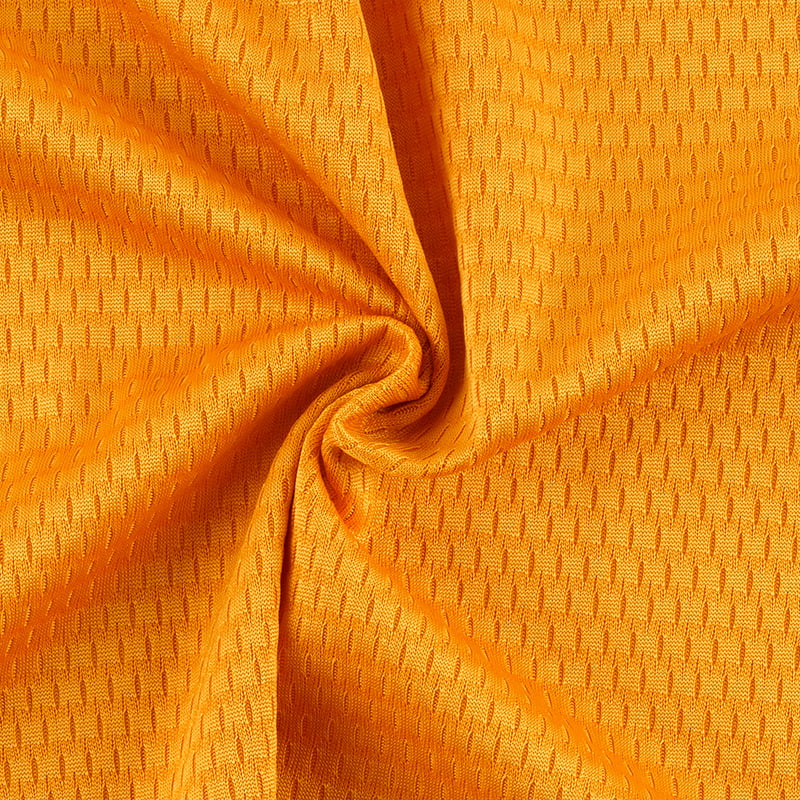
Single Sided Mesh Fabric is a technical textile characterized by its single-layer construction, typically produced on a warp-knitting machine. Unlike traditional solid fabrics, it is engineered with a deliberate pattern of open holes or “pores” that facilitate maximum air and liquid permeability. The term “single-sided” refers to the fact that the fabric consists of one integrated layer of yarn, creating a distinct technical face (usually smoother) and a technical back (where the knitting laps are visible).
The Structural Architecture
In a single-sided construction, the integrity of the fabric relies on a series of interconnected loops. These loops are spaced out to create the “mesh” effect. Because there is only one layer of material, the fabric is exceptionally thin—often less than $0.5\text{mm}$. This makes it the ultimate choice for applications where weight is the primary enemy of performance.
Single Sided vs. Double Mesh (Spacer Fabric)
The confusion between these two often leads to procurement errors. Double Mesh, also known as 3D Spacer Fabric, consists of two separate mesh layers joined by a vertical “pile” yarn. This creates a sandwich with depth and cushioning. In contrast, Single Sided Mesh is a “flat” net. While Double Mesh offers compression resistance and padding (ideal for backpack straps or shoe tongues), Single Sided Mesh is used for its “zero-bulk” profile and superior drainage capabilities.
2. Is Single Sided Mesh Fabric the Right Choice for Your Next Project?
Choosing the right material requires a balance of aesthetics, cost, and functionality. Single Sided Mesh Fabric is often the “silent hero” of the textile world because it solves specific engineering problems that thicker fabrics cannot.
Assessing Your Functional Needs
If your project requires high breathability without adding significant thickness, this fabric is likely your best candidate. It is widely used in the apparel industry as a lining material because it allows the outer shell to breathe while providing a soft barrier against the skin.
Durability and Aesthetics
From an aesthetic standpoint, the transparency of single-sided mesh allows for creative layering. Designers often use it over contrasting colored fabrics to create a “depth” effect without the weight of a heavy textile. However, you must consider the “snag factor.” Because of its open-hole structure, single-sided mesh is more susceptible to catching on sharp objects compared to solid weaves. If your project involves high-abrasion environments (like rugged hiking gear), you may need to look for high-tenacity nylon versions of the mesh.
3. Why is Single Sided Mesh Fabric So Breathable? The Science Behind the Weave.
The breathability of Single Sided Mesh Fabric is not merely a result of having holes; it is a calculated result of Air Permeability (AP) ratings. In textile science, AP is measured by the volume of air that can pass through a square foot of fabric in one minute (expressed in $ft^3/min$).
The Role of Porosity
The “openness” factor of a mesh is determined by the gauge of the machine and the denier of the yarn. A single-sided mesh typically has a higher porosity-to-surface-area ratio than almost any other fabric. This allows for evaporative cooling. As the human body sweats, the mesh allows moisture vapor to escape instantly, preventing the “cling” effect associated with saturated solid fabrics.
Thermal Regulation
Because air can circulate freely through the single layer, heat is not trapped against the body. This makes it a critical component in “Body Mapping” technology, where mesh panels are placed in high-heat areas like the underarms and the center of the back. By using a single layer instead of a double layer, the distance the heat must travel to escape is minimized, leading to a faster cooling rate.
4. How Durable is Single Sided Mesh Fabric Against Tearing and Abrasion?
A common misconception is that “thin and holy” means “weak.” However, Single Sided Mesh Fabric is surprisingly resilient, particularly when knitted from high-quality polyester or nylon.
Warp Knitting vs. Weaving
Most single-sided meshes are warp-knitted. Unlike a woven fabric where a single broken thread can cause the entire structure to unravel, warp-knitted meshes are “run-resistant.” Each loop is mechanically locked with the next. If a hole is punctured in the mesh, the structure typically holds its shape rather than “zippering” open.
Material Strength Table
| Material Base | Tensile Strength | Abrasion Resistance | Typical Application |
|---|---|---|---|
| Polyester Mesh | High | Moderate | Sports jerseys, linings |
| Nylon Mesh | Very High | Excellent | Tactical gear, bag pockets |
| Polypropylene Mesh | Moderate | Low | Medical slings, filters |
| Recycled PET | Moderate | Moderate | Eco-friendly footwear |
To maximize durability, manufacturers often apply a “firm finish” or a resin coating to the mesh. This stabilizes the holes and prevents the yarns from shifting under stress.
5. Is Single Sided Mesh Fabric the Best Material for Lightweight Sportswear?
In the competitive world of athletic apparel, every gram counts. Single Sided Mesh Fabric is the gold standard for “Ultralight” categories.
The Advantage of Low GSM
GSM (Grams per Square Meter) is the metric of weight in textiles. While a standard cotton T-shirt might be $180\text{ GSM}$, a performance single-sided mesh can be as low as $60\text{ GSM}$. For marathon runners or cyclists, this reduction in weight translates directly into reduced fatigue and improved aerodynamic performance.
Moisture Management
Beyond weight, the fabric’s ability to remain “light when wet” is crucial. Natural fibers like cotton absorb water and become heavy, leading to chafing. Single-sided synthetic mesh is hydrophobic, meaning it repels water. It does not soak up sweat; instead, it allows the sweat to pass through to the surface where it can evaporate. This ensures the garment stays lightweight from the start of the race to the finish line.
6. Can Single Sided Mesh Fabric Improve the Comfort of Industrial Safety Vests?
Industrial safety is an area where Single Sided Mesh Fabric is a legal requirement in many jurisdictions, especially for workers in high-temperature environments like road construction or warehousing.
Heat Stress Prevention
Occupational health and safety (OSHA) standards often emphasize the prevention of heat stroke. Solid polyester safety vests act like plastic bags, trapping heat. By switching to a single-sided mesh construction, companies can significantly reduce the core body temperature of their workers.
High-Visibility Compliance
The challenge with mesh in safety gear is maintaining the required surface area for fluorescent dyes and reflective tapes. Engineers have developed “Mini-Mesh” variants that are dense enough to meet ANSI/ISEA 107 visibility standards while remaining porous enough to provide 360-degree ventilation. These fabrics are usually treated with UV-resistant coatings to prevent the neon colors from fading under constant sun exposure.
7. Should You Choose Single Sided Mesh Fabric for Lining or Outer Shells?
Designers often struggle with the placement of mesh. Should it be an internal component or an external feature?
Use as a Lining (Internal)
As a lining, single-sided mesh provides a “buffer zone.” In rain jackets, for example, a mesh lining prevents the waterproof outer shell (which can feel clammy) from sticking to the wearer’s skin. It creates a small air gap that improves comfort and helps circulate internal moisture toward the jacket’s vents.
Use as an Outer Shell (External)
When used as an outer shell, the mesh serves a decorative and functional purpose. In footwear, a single-sided mesh outer layer provides the “cooling” look and feel that consumers demand. However, when used externally, it requires a “backing” or a support structure (like TPU overlays) to ensure the shoe doesn’t lose its shape. The choice depends on whether your priority is internal comfort or external ventilation.
8. What are the Top 5 Advantages of Single Sided Mesh Fabric in Footwear Design?
Modern sneakers are marvels of textile engineering, and Single Sided Mesh Fabric is a primary reason why.
- Seamless Construction: Mesh can be heat-welded with synthetic overlays, eliminating the need for stitches that cause blisters.
- 360-Degree Flex: Because of its knitted nature, the mesh moves with the foot, expanding and contracting during the gait cycle.
- Vivid Colorways: Synthetic mesh takes to disperse dyes exceptionally well, allowing for the neon and gradient effects seen in modern running shoes.
- Weight Distribution: It allows designers to remove heavy leather or rubber components, placing support only where it is strictly necessary.
- Washability: Mesh shoes dry significantly faster than leather or canvas, making them more hygienic for athletes.
9. How to Wash Single Sided Mesh Fabric Without Damaging the Mesh Structure?
Proper maintenance is essential to prevent the “tearing” of the mesh structure during cleaning. Because the holes are the fabric’s greatest asset and its greatest weakness, they can easily snag on zippers or buttons in a washing machine.
The Laundry Bag Protocol
The most important rule for washing single-sided mesh is to use a mesh laundry bag. This “mesh-on-mesh” protection ensures that the delicate pores are not caught in the agitator of the machine.
Temperature and Detergents
- Temperature: Always use cold or lukewarm water. High heat can shrink synthetic fibers, causing the mesh holes to distort and lose their uniform shape.
- Detergents: Avoid fabric softeners. Softeners leave a waxy coating on the fibers that clogs the pores of the mesh, effectively “killing” its breathability.
- Drying: Air drying is highly recommended. If you must use a dryer, use the “No Heat” or “Air Fluff” setting.
10. Is Single Sided Mesh Fabric Compatible with Sublimation Printing?
For brands looking to customize their gear, Sublimation Printing is the preferred method for single-sided mesh, provided the fabric is made of at least 80% polyester.
The Sublimation Advantage
Sublimation involves turning dye into gas, which then bonds with the fibers of the fabric. Unlike screen printing, which sits on top of the fabric and “clogs” the holes, sublimation dyes the fibers themselves. This means the mesh remains 100% breathable even after a full-surface print.
Design Considerations
When designing for mesh, one must account for the “negative space.” Because the fabric has holes, the print will appear slightly less vibrant than it would on a solid fabric. Expert printers often increase the color saturation in the design file to compensate for the light that passes through the open pores of the mesh.
FAQ: Frequently Asked Questions
Q: Is Single Sided Mesh Fabric eco-friendly?
A: Many suppliers now offer versions made from rPET (Recycled Polyester) sourced from ocean-bound plastic bottles. Look for GRS (Global Recycled Standard) certification.
Q: Does it stretch?
A: Yes, warp-knitted mesh has natural mechanical stretch. If Lycra or Spandex is added to the knit, it can achieve over 200% elasticity, making it ideal for compression wear.
Q: Can it be made flame retardant?
A: Yes. For industrial or automotive use, the fabric can be treated with FR (Flame Retardant) chemicals to meet safety standards like FMVSS 302.
References & Technical Literature
- Knitting Technology: A Comprehensive Handbook and Practical Guide, D.J. Spencer (2025).
- Performance of Warp-Knitted Fabrics in Activewear, Textile Research Journal, Vol. 44.
- Moisture Management Properties of Single-Layer vs. Multi-Layer Textiles, International Journal of Clothing Science.