

 English
  中文简体
中文简体  русский
  Español
  عربى
عربى 
Content
What Is Jacquard Loop Transfer Fabric?
Definition and Core Concept
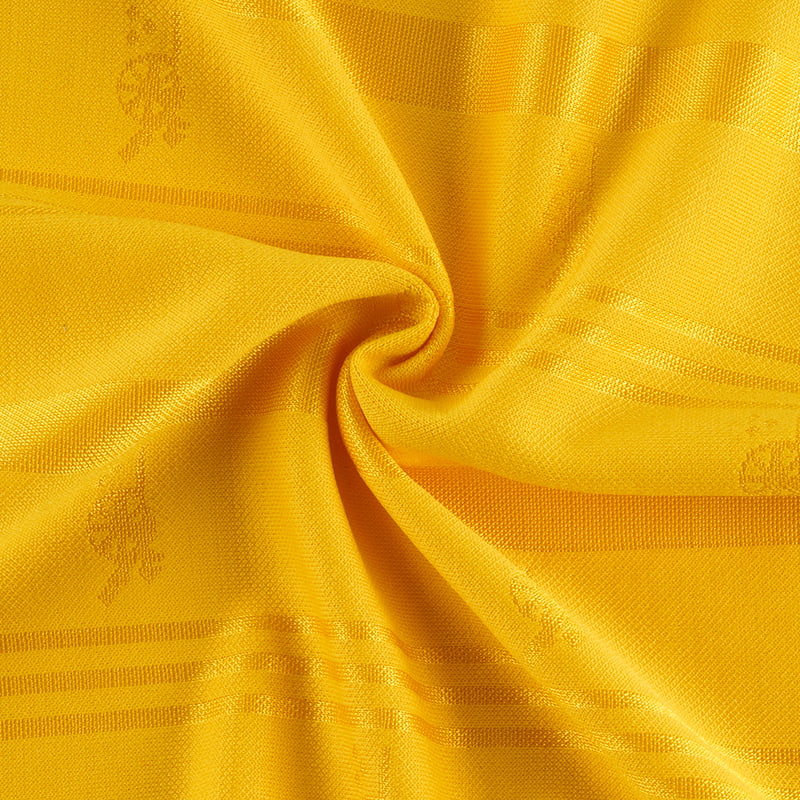
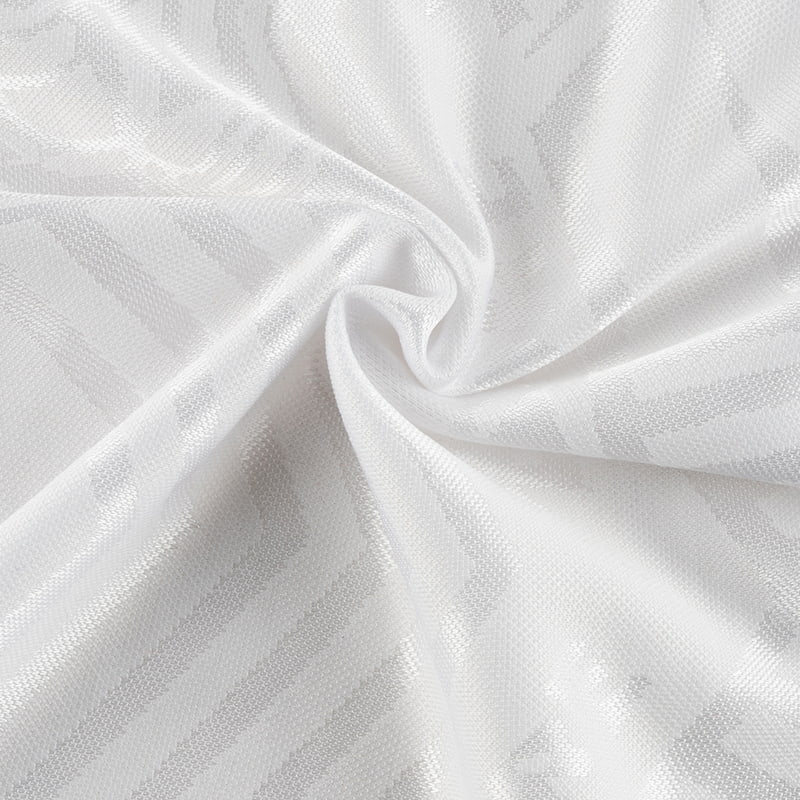
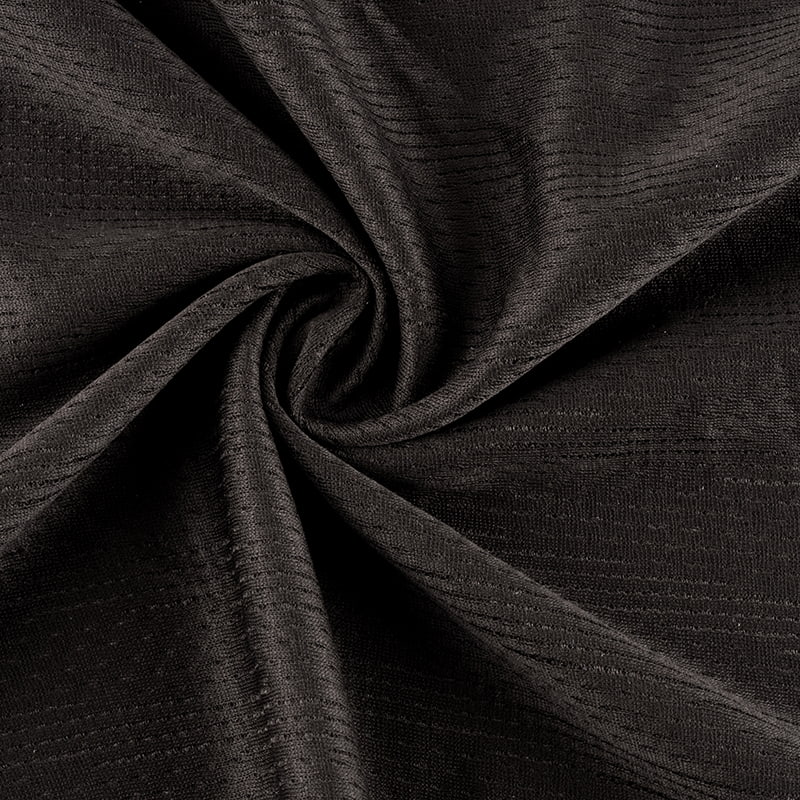
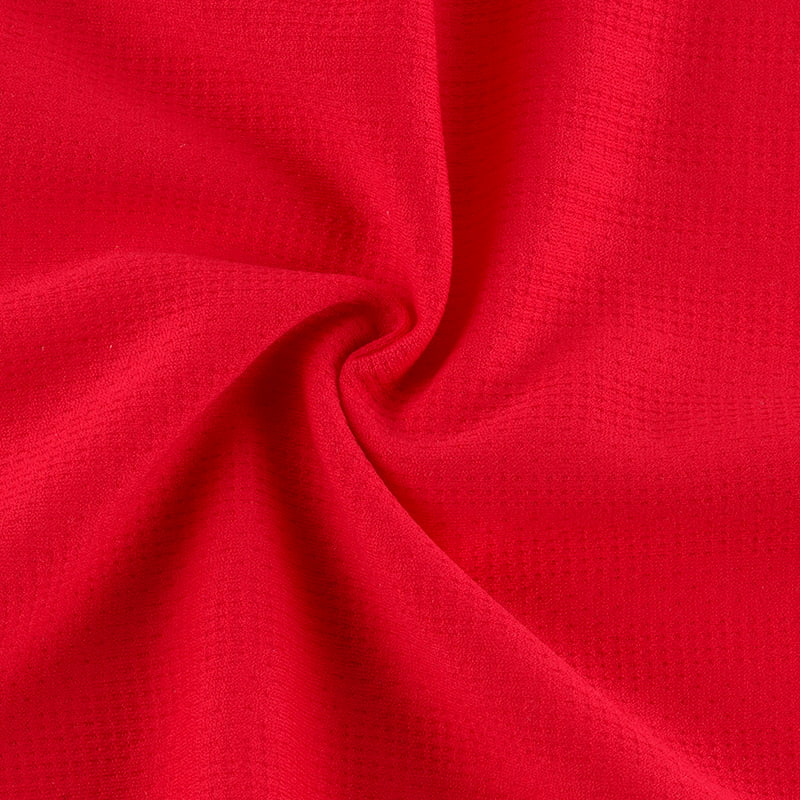
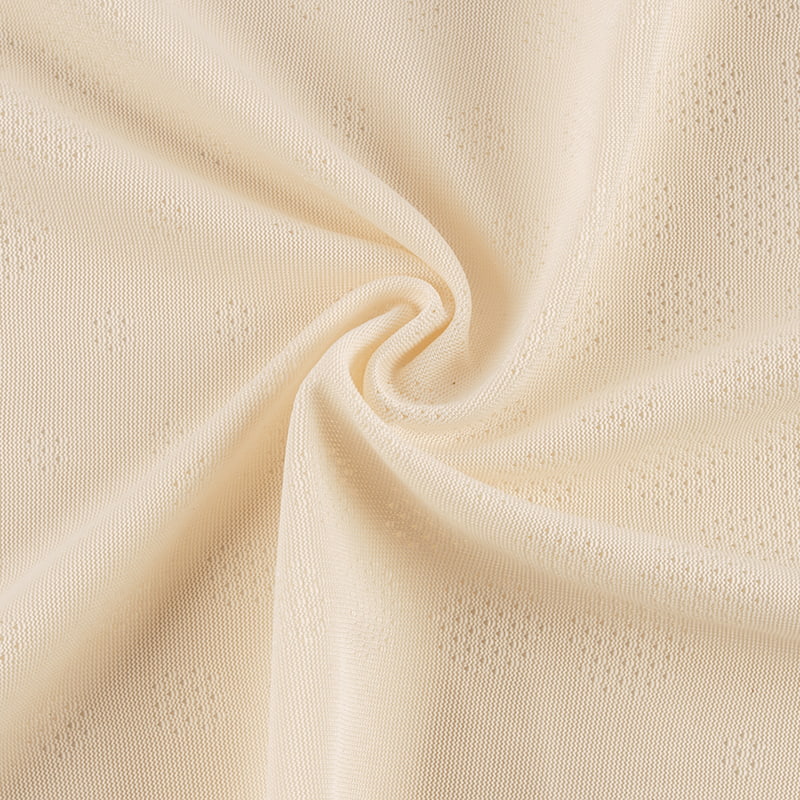
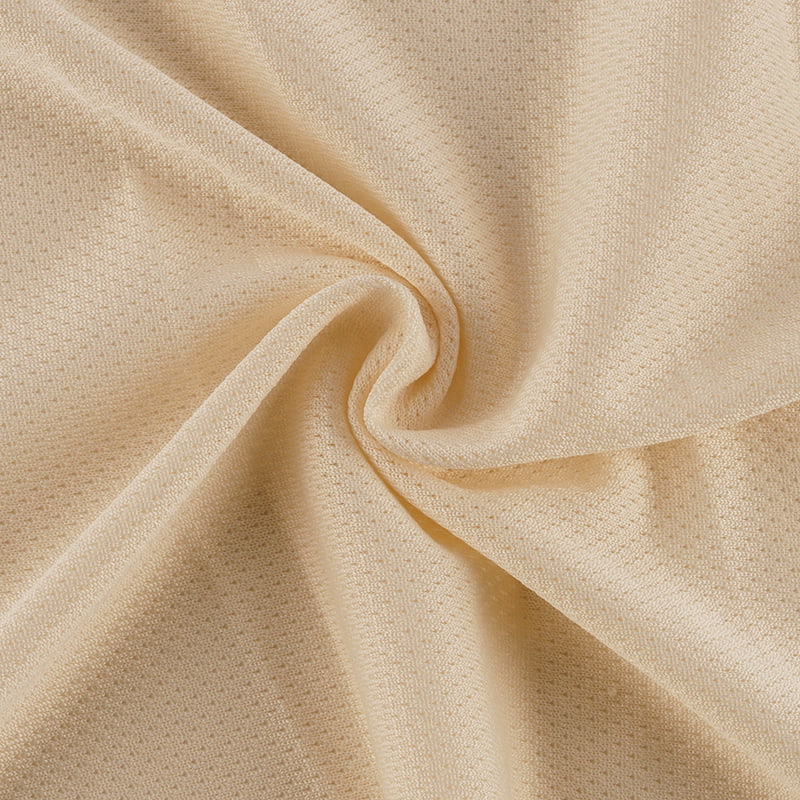
Jacquard Loop Transfer Fabric is a highly engineered knitted textile produced using advanced jacquard knitting technology combined with loop transfer techniques. In conventional knitting, loops are formed and remain on the same needle path, creating relatively uniform structures. However, in loop transfer knitting, loops can be moved or “transferred” from one needle to another during the knitting cycle. This allows for the creation of highly complex structures, variable densities, and unique textures that are not achievable with traditional knitting processes.
The jacquard element refers to the ability to control each individual needle through computerized programming. This means patterns are not printed or embroidered after production but are instead integrated directly into the fabric structure. As a result, the fabric exhibits long-lasting designs that do not fade or peel over time.
Structural Characteristics
One of the most distinctive features of Jacquard Loop Transfer Fabric is its ability to create three-dimensional structures. Through loop transfer, fabrics can include raised patterns, mesh openings, ribbed sections, and reinforced zones—all within a single continuous textile. This structural diversity allows manufacturers to design fabrics that combine aesthetics with performance.
For example, a single fabric piece can include breathable mesh areas for ventilation, thicker zones for durability, and elastic regions for flexibility. This level of integration significantly enhances both the functionality and visual appeal of the final product.
Material Compatibility
Jacquard Loop Transfer Fabric can be produced using a wide range of yarns, including cotton, polyester, nylon, spandex, and blended fibers. This versatility allows manufacturers to tailor the fabric for specific applications such as sportswear, footwear, or home textiles. Additionally, the process is compatible with sustainable materials like recycled polyester or organic cotton, further increasing its relevance in today’s eco-conscious market.
How Is Jacquard Loop Transfer Fabric Produced?
Advanced Knitting Technology
The production of Jacquard Loop Transfer Fabric relies on state-of-the-art computerized knitting machines. These machines are equipped with jacquard systems that allow for individual needle control and loop transfer mechanisms that enable the movement of stitches across needles. Designers create digital patterns, which are then translated into machine instructions to produce the fabric with high precision.
This digital approach allows for rapid prototyping and customization, making it ideal for industries that require frequent design updates or personalized products.
Step-by-Step Production Process
1. Yarn Selection and Preparation
The process begins with selecting appropriate yarns based on the desired properties of the fabric, such as elasticity, strength, or softness. Yarns are then prepared and loaded into the knitting machine.
2. Pattern Programming
Designers use specialized software to create detailed jacquard patterns. These patterns define not only the visual design but also the structural characteristics of the fabric.
3. Knitting with Loop Transfer
During knitting, loops are formed and selectively transferred between needles. This step is crucial for creating complex textures, openwork designs, and multi-layered structures.
4. Finishing Processes
After knitting, the fabric may undergo finishing treatments such as washing, heat-setting, or coating to enhance its performance and appearance.
Comparison with Traditional Knitting
| Feature | Traditional Knitting | Jacquard Loop Transfer Fabric |
|---|---|---|
| Pattern Formation | Limited, repetitive | Highly complex, programmable |
| Structural Variation | Minimal | Multi-zone, engineered |
| Production Efficiency | Moderate | High with reduced steps |
| Waste Generation | Higher | Lower due to integration |
| Customization Capability | Limited | Extensive |
This advanced process not only improves production efficiency but also enables manufacturers to meet the growing demand for high-performance and aesthetically appealing textiles.
Why Is Jacquard Loop Transfer Fabric Gaining Popularity?
Growing Demand for Functional Textiles
Modern consumers are no longer satisfied with fabrics that only look good; they expect high performance as well. Jacquard Loop Transfer Fabric meets this demand by offering enhanced breathability, elasticity, moisture management, and durability. These features make it particularly popular in sportswear and activewear, where performance is critical.
Design Innovation and Aesthetic Appeal
The ability to create intricate patterns directly within the fabric has made this technology highly attractive to designers. Unlike traditional methods that rely on surface decoration, jacquard loop transfer allows for deeper integration of design elements. This results in fabrics that are not only visually striking but also more durable, as the patterns are part of the fabric structure itself.
Sustainability and Resource Efficiency
Sustainability is a key factor driving the adoption of this fabric. By integrating multiple functions into a single knitting process, manufacturers can reduce material waste and energy consumption. Additionally, the compatibility with recycled and eco-friendly yarns makes it easier for brands to meet environmental standards and consumer expectations.
Versatility Across Industries
Jacquard Loop Transfer Fabric is widely used across various industries due to its adaptability. In the fashion industry, it is used for creating stylish and functional garments. In footwear, it is commonly used for uppers that require both flexibility and strength. In home textiles, it provides decorative and durable solutions for upholstery and bedding.
Seamless Construction and Consumer Comfort
Another major advantage is the ability to produce seamless fabrics. This reduces the need for stitching, which can cause discomfort or irritation. Seamless construction also improves the overall fit and durability of garments, making them more appealing to consumers.
Key Benefits of Jacquard Loop Transfer Fabric
Performance Advantages
Jacquard Loop Transfer Fabric offers a combination of strength, flexibility, and breathability. Its engineered structure allows for targeted performance features, such as ventilation zones and reinforced areas, which enhance the functionality of the final product.
Economic and Production Benefits
From a manufacturing perspective, this fabric reduces the need for multiple production steps, such as cutting, sewing, and additional finishing. This not only lowers production costs but also shortens lead times, making it easier for companies to respond to market demands.
Environmental Impact
The reduced waste and energy consumption associated with this technology contribute to a lower environmental footprint. As sustainability becomes increasingly important, this advantage is likely to drive further adoption.
FAQ
Q1: What makes Jacquard Loop Transfer Fabric different from regular jacquard fabric?
Jacquard Loop Transfer Fabric combines traditional jacquard patterning with loop transfer techniques, enabling more complex structures and functional zones within the fabric.
Q2: Is this fabric suitable for high-performance applications?
Yes, it is widely used in sportswear, footwear, and technical textiles due to its durability, flexibility, and breathability.
Q3: Can it be produced using sustainable materials?
Absolutely. It is compatible with recycled fibers and eco-friendly yarns, making it a sustainable choice.
Q4: Does it reduce production costs?
While initial setup costs may be higher, the overall production process is more efficient, often resulting in cost savings.
References
- Spencer, D. J. Knitting Technology: A Comprehensive Handbook and Practical Guide
- Ray, S. C. Fundamentals and Advances in Knitting Technology
- Textile Institute. Advances in Knitting Technology and Fabric Engineering
- Kadolph, S. J. Textiles
- Gong, R. H. Specialist Yarn and Fabric Structures