

 English
  中文简体
中文简体  русский
  Español
  عربى
عربى 
Content
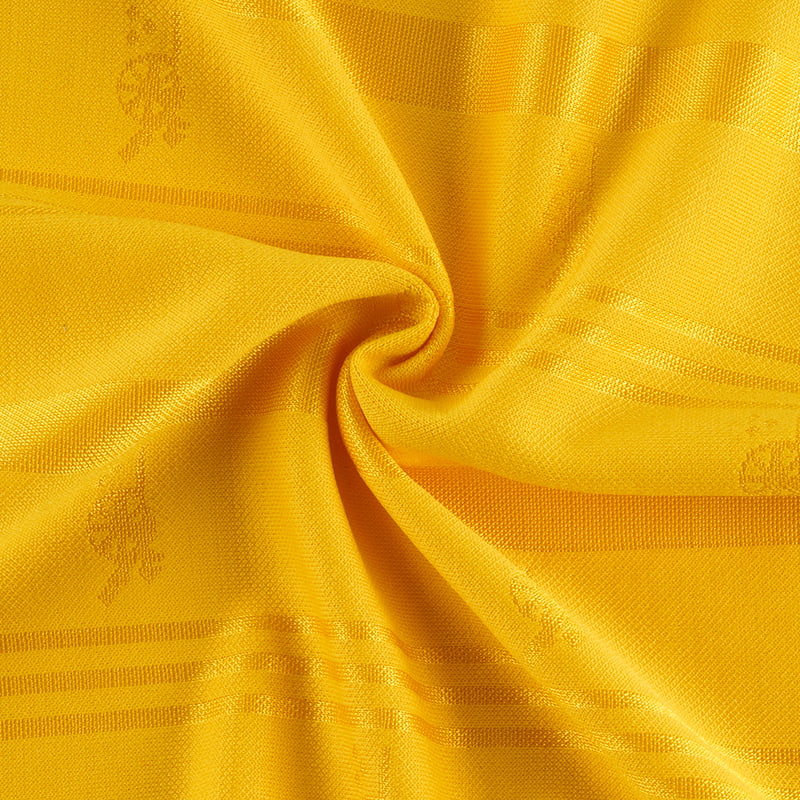
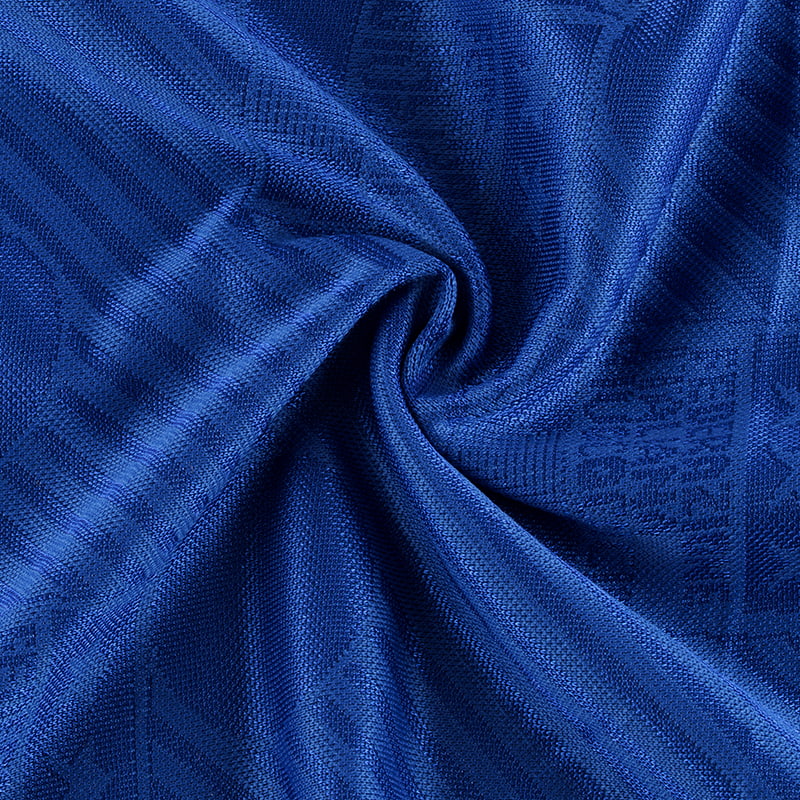
Jacquard fabric is a type of woven textile in which intricate patterns—such as florals, damasks, brocades, or geometric motifs—are woven directly into the structure of the cloth using a specialized Jacquard loom, rather than printed or embroidered onto the surface afterward. This weaving method, invented by Joseph Marie Jacquard in 1804, allows each thread to be individually controlled, producing durable, richly textured fabrics used in upholstery, fashion, curtains, and bedding. Because the design is woven into the fiber itself, Jacquard fabric is generally more durable, fade-resistant, and dimensionally rich than printed alternatives.
Below, we break down exactly how Jacquard fabric is made, the main types available on the market, its practical benefits, and the best applications for it—so you can decide with confidence whether it's the right material for your next project.
How Jacquard Fabric Is Made
Jacquard fabric gets its name from the Jacquard loom, a mechanism attached to a weaving loom that uses a chain of punched cards (the historical precursor to modern computer programming) to control which warp threads are raised or lowered for each pass of the weft. This allows for the creation of complex, multi-colored patterns with far greater precision than standard weaving techniques, which are typically limited to simple repeating structures like twill or plain weave.
A Brief Historical Note
Before 1804, weaving elaborate patterns required a skilled "draw boy" to manually lift threads by hand—a slow, labor-intensive process. Joseph Marie Jacquard's punched-card system automated this task, and by the mid-19th century, Jacquard looms had spread across Europe's textile industry. Today's Jacquard looms are computer-controlled, but the underlying principle—individual thread control for pattern weaving—remains unchanged.
Common Fiber Compositions
Jacquard fabric isn't a single fiber type—it's a weaving technique that can be applied to almost any yarn. Common compositions include:
- Cotton Jacquard – breathable, ideal for apparel and bedding
- Silk Jacquard – lustrous and lightweight, used in high-end fashion and scarves
- Polyester Jacquard – affordable and durable, common in upholstery and curtains
- Wool/Blend Jacquard – heavier weight, used in coats and winter accessories
Main Types of Jacquard Fabric
"Jacquard" is a broad category that includes several well-known sub-types, each with distinct visual and structural characteristics.
| Type | Key Characteristics | Typical Use |
|---|---|---|
| Damask | Reversible, single-color pattern with contrasting matte/sheen finish | Tablecloths, formal drapery |
| Brocade | Raised, embossed-look patterns, often with metallic threads | Evening wear, upholstery |
| Matelassé | Quilted, puffy appearance created by double-cloth weaving | Bedspreads, jackets |
| Tapestry | Heavy, densely woven with pictorial designs | Upholstery, wall hangings |
Key Benefits of Jacquard Fabric
Jacquard's popularity across both fashion and interior design industries comes down to several measurable advantages over printed or plain-woven fabrics.
1. Superior Durability
Because the pattern is woven into the fabric structure rather than printed on top, Jacquard fabric typically withstands significantly more abrasion cycles before showing wear—making it a preferred choice for high-traffic upholstery like sofas and dining chairs. Many commercial-grade Jacquard upholstery fabrics are rated above 30,000 double rubs on the Wyzenbeek abrasion test, compared to under 15,000 for many printed cottons.
2. Fade and Wash Resistance
Woven-in color doesn't crack, peel, or fade the way surface prints can, so Jacquard textiles retain their pattern clarity even after repeated washing or years of sun exposure.
3. Rich Texture and Visual Depth
The interplay of raised and recessed threads creates a tactile, three-dimensional quality that flat-printed fabric cannot replicate, giving Jacquard a more luxurious, tailored appearance.
4. Design Versatility
Modern computerized Jacquard looms can weave patterns with over 20,000 individually controlled warp threads, enabling nearly unlimited design complexity—from subtle self-tone textures to elaborate multicolor florals.
Best Uses for Jacquard Fabric
Given its durability and decorative texture, Jacquard fabric performs best in applications where both aesthetics and longevity matter.
- Upholstery – Sofas, armchairs, and dining seats benefit from Jacquard's abrasion resistance and structured feel.
- Curtains and Drapery – The weight and opacity of Jacquard fabric block light effectively while adding decorative texture to windows.
- Bedding – Jacquard-woven duvet covers and bedspreads offer a hotel-quality look that holds up to frequent washing.
- Fashion Apparel – Blazers, dresses, and skirts made from Jacquard fabric carry a tailored, structured drape favored in formal and eveningwear.
- Accessories – Ties, scarves, and handbags often use silk or polyester Jacquard for its sheen and pattern definition.
Care and Maintenance Tips
Because Jacquard fabric can be made from many different fibers, care instructions vary—but a few general rules apply across most types.
- Always check the fiber content label first: silk and wool Jacquards typically require dry cleaning, while cotton and polyester blends are often machine washable on a gentle cycle.
- Turn garments or textiles inside out before washing to protect the raised pattern surface from friction.
- Avoid high heat when ironing; use a pressing cloth to prevent flattening the woven texture.
- For upholstery, vacuum regularly with a soft brush attachment to prevent dust from settling into the weave's raised threads.
Jacquard vs. Printed Fabric: Which Should You Choose?
The most common comparison buyers make is between Jacquard and printed fabric. If durability, texture, and long-term appearance retention matter most—such as for furniture or heirloom-quality garments—Jacquard is the better investment despite its higher upfront cost. If budget and rapid design turnover are the priority—such as for seasonal fashion trends or short-term decor—printed fabric may be more practical.
| Factor | Jacquard Fabric | Printed Fabric |
|---|---|---|
| Pattern Method | Woven into structure | Applied to surface |
| Durability | High | Moderate |
| Cost | Higher | Lower |
| Texture | Raised, tactile | Flat, smooth |