

 English
  中文简体
中文简体  русский
  Español
  عربى
عربى 
Content
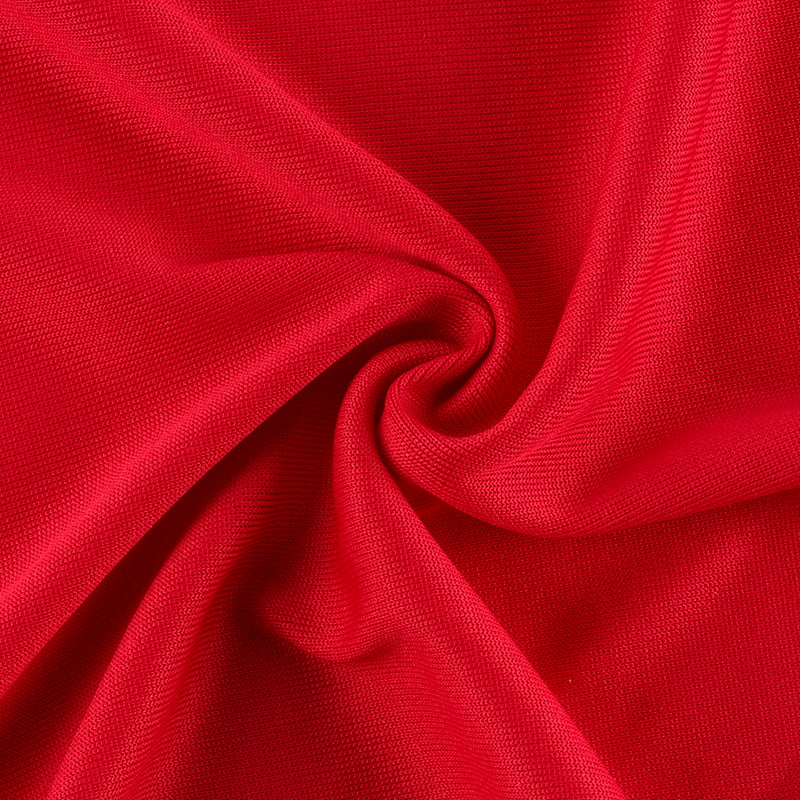
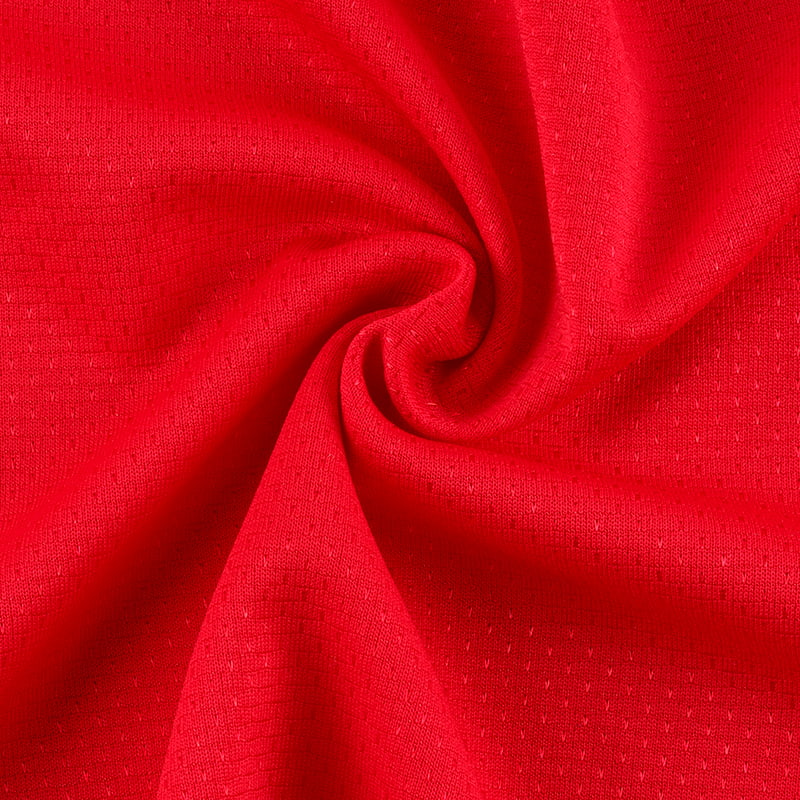
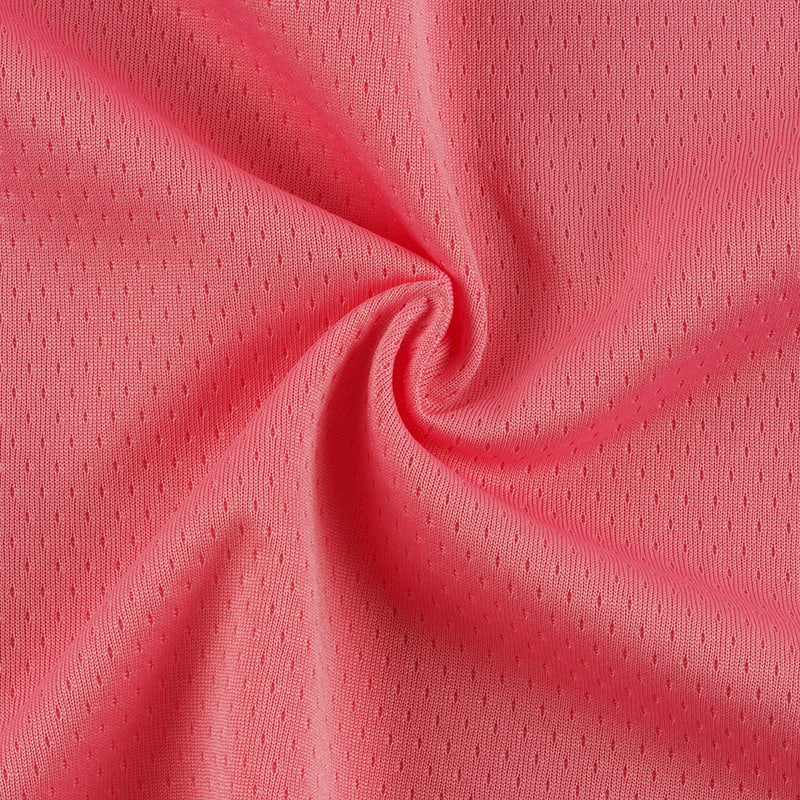
Warp knit fabric is a textile constructed by interlooping multiple yarns simultaneously in a vertical (lengthwise) direction along the fabric, using a series of needles that each work with their own yarn. Unlike weft knitting—where a single yarn zigzags horizontally across the fabric row by row—warp knitting produces a more stable, run-resistant structure because every needle is fed by its own thread. This method is the foundation of two major fabric families: Tricot and Raschel, both of which dominate industries ranging from lingerie and sportswear to automotive interiors and medical textiles.
Below, we explain exactly how warp knitting works at the machine level, how Tricot and Raschel differ, and where each type of warp knit fabric is best applied in real-world products.
How Warp Knitting Works
In warp knitting, yarns are fed from a large beam (essentially hundreds or thousands of parallel spools) into a row of needles that run the full width of the machine. Each needle loops its own dedicated yarn, and the yarns shift diagonally between needles as the fabric forms, creating interlocking columns of stitches called "wales." This diagonal shifting is what distinguishes warp knitting from simple straight-line knitting and gives the fabric its characteristic stability.
Why This Matters Structurally
Because every yarn is locked into place by its neighboring stitches in multiple directions, warp knit fabric does not run or ladder the way some weft knits do when a stitch breaks. This is why warp knits are the standard choice for products that need to survive repeated stretching, washing, and abrasion without unraveling.
Machine Speed and Production Efficiency
Modern warp knitting machines can produce fabric at speeds exceeding 2,000 courses (rows) per minute, significantly faster than weft knitting or weaving. This high throughput is a major reason warp knit fabric remains cost-competitive despite requiring more complex machinery and yarn setup.
Tricot Fabric: Structure and Characteristics
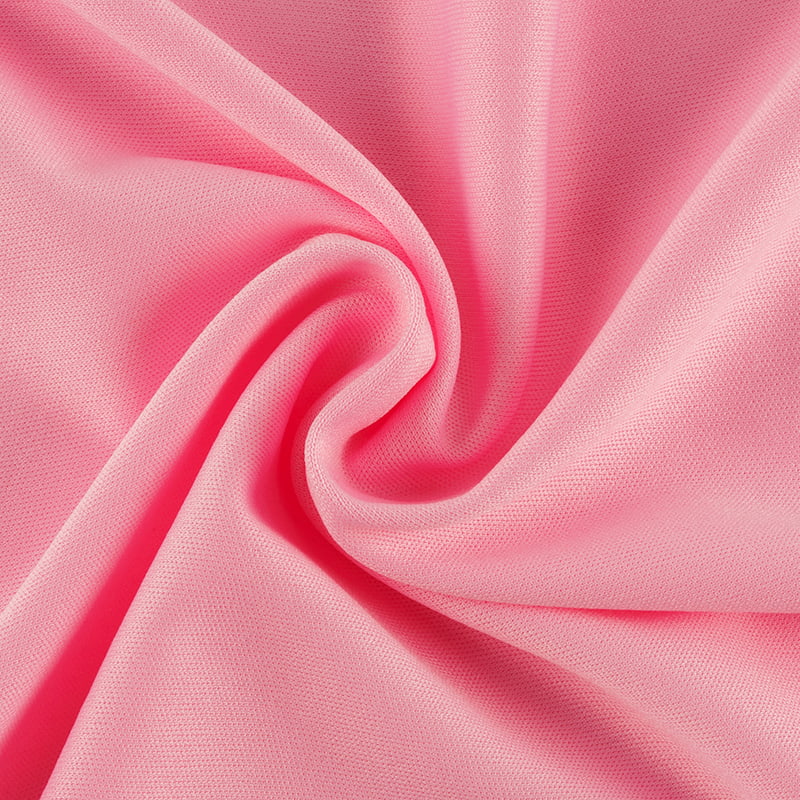
Tricot is the most common type of warp knit fabric, produced on machines with two or three sets of guide bars that control yarn movement. It is characterized by fine, closely spaced vertical ribs on the face side and a smoother, slightly diagonal texture on the back.
Key Properties of Tricot
- Lightweight and smooth – ideal for garments worn against the skin
- Run-resistant – won't unravel even if a stitch is damaged
- Excellent drape – falls naturally without stiffness
- Good elasticity – stretches in the width direction while remaining stable lengthwise
Tricot is most commonly made from nylon, polyester, or spandex blends, and is a staple in intimate apparel, linings, and swimwear due to its soft hand-feel and moisture-wicking capability.
Raschel Fabric: Structure and Characteristics
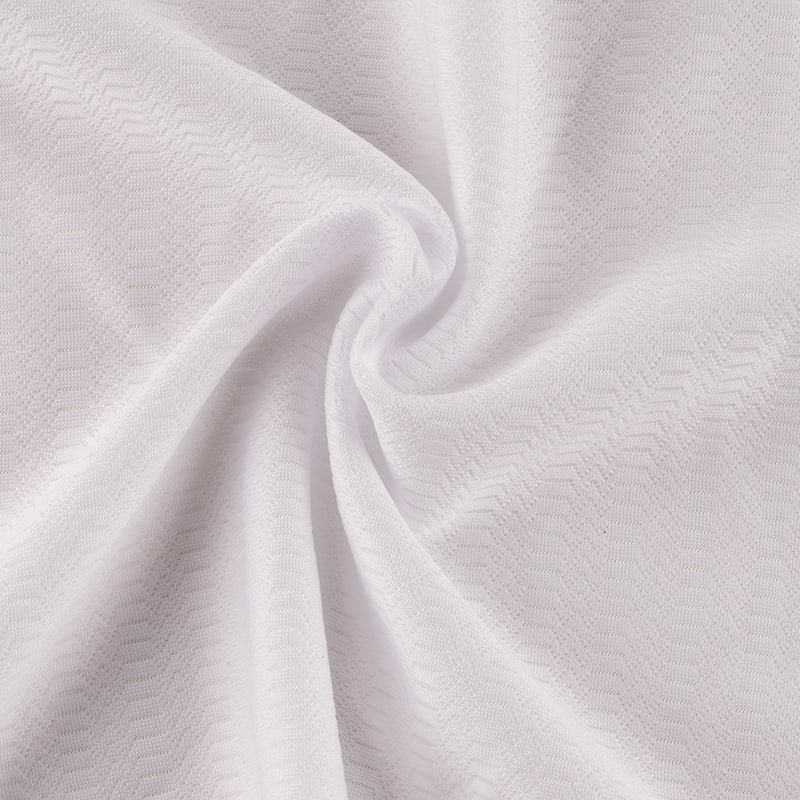
Raschel knitting uses a more complex machine setup—often with anywhere from 2 to 78 guide bars—allowing for intricate, lace-like, or heavily textured patterns that Tricot machines cannot produce. This makes Raschel fabric the go-to choice for decorative, openwork, or heavyweight structural textiles.
Key Properties of Raschel
- Highly versatile patterning – capable of lace, mesh, and jacquard-like designs
- Wide weight range – from delicate lace to heavy-duty industrial netting
- Bulkier texture – less smooth than Tricot but more dimensionally interesting
- Strong dimensional stability – holds shape well even under repeated tension
Because of its structural flexibility, Raschel fabric shows up in everything from bridal lace and curtains to artificial turf backing, geotextiles, and industrial netting.
Tricot vs. Raschel: A Side-by-Side Comparison
While both are warp knits, Tricot and Raschel serve very different purposes based on their machine construction and resulting fabric hand.
| Factor | Tricot | Raschel |
|---|---|---|
| Guide Bars | 2–3 | Up to 78 |
| Texture | Smooth, fine ribs | Textured, patterned |
| Weight Range | Lightweight | Light to very heavy |
| Common Uses | Lingerie, linings, swimwear | Lace, netting, geotextiles |
Key Benefits of Warp Knit Fabric Overall
Regardless of whether it's Tricot or Raschel, warp knit fabric offers several advantages over both weft knits and woven fabrics.
1. Run and Snag Resistance
Because each yarn interlocks diagonally with its neighbors rather than depending on a single continuous thread, warp knit fabric resists laddering even when individual loops are cut or damaged—a critical advantage for hosiery, sportswear, and safety-critical industrial textiles.
2. Dimensional Stability
Warp knits hold their shape better under repeated stretching than weft knits, making them well-suited for applications like car seat covers and mattress ticking where the fabric must resist sagging over years of use.
3. High-Speed, Cost-Effective Production
The ability to knit thousands of courses per minute keeps per-yard costs low, allowing warp knit fabric to compete with wovens on price while offering superior stretch and comfort.
Best Applications for Warp Knit Fabric
Because Tricot and Raschel serve different structural needs, their applications span a wide range of industries.
- Apparel and Lingerie – Tricot's smooth hand and elasticity make it ideal for bras, underwear, and linings.
- Sportswear – Moisture-wicking warp knits are used in activewear that needs to move with the body without stretching out of shape.
- Automotive Interiors – Raschel-knit fabrics reinforce car seat covers and headliners for durability under constant flexing.
- Home Textiles – Raschel lace curtains and Tricot mattress covers both rely on warp knitting's stability and design flexibility.
- Industrial and Technical Textiles – Heavy Raschel constructions are used in geotextiles, artificial turf backing, and agricultural netting.
Warp Knit vs. Weft Knit: Which Should You Choose?
The core decision between warp and weft knit fabric usually comes down to how much stretch versus stability a product needs. If run-resistance, dimensional stability, and high-speed production are priorities—such as for automotive fabric or structured apparel linings—warp knit fabric is the stronger choice. If maximum stretch and a softer, more elastic hand-feel are needed—such as for T-shirts or fitted athletic wear—weft knit fabric (like jersey) is typically preferred.
| Factor | Warp Knit | Weft Knit |
|---|---|---|
| Yarn Direction | Vertical (lengthwise) | Horizontal (row by row) |
| Run Resistance | High | Lower |
| Stretch | Moderate | High |
| Production Speed | Very fast | Moderate |