

 English
  中文简体
中文简体  русский
  Español
  عربى
عربى 
Content
- 1 Quick Answer: What Warp Knit Fabric Is and Why It Behaves Differently
- 2 How Warp Knitting Differs From Weft Knitting
- 3 The Warp Knitting Formation Process
- 4 The Two Main Warp Knitting Machine Types
- 5 Key Structural and Performance Properties
- 6 Production Speed and Manufacturing Efficiency
- 7 Common Applications by Fabric Type
- 8 Common Limitations to Consider
Quick Answer: What Warp Knit Fabric Is and Why It Behaves Differently
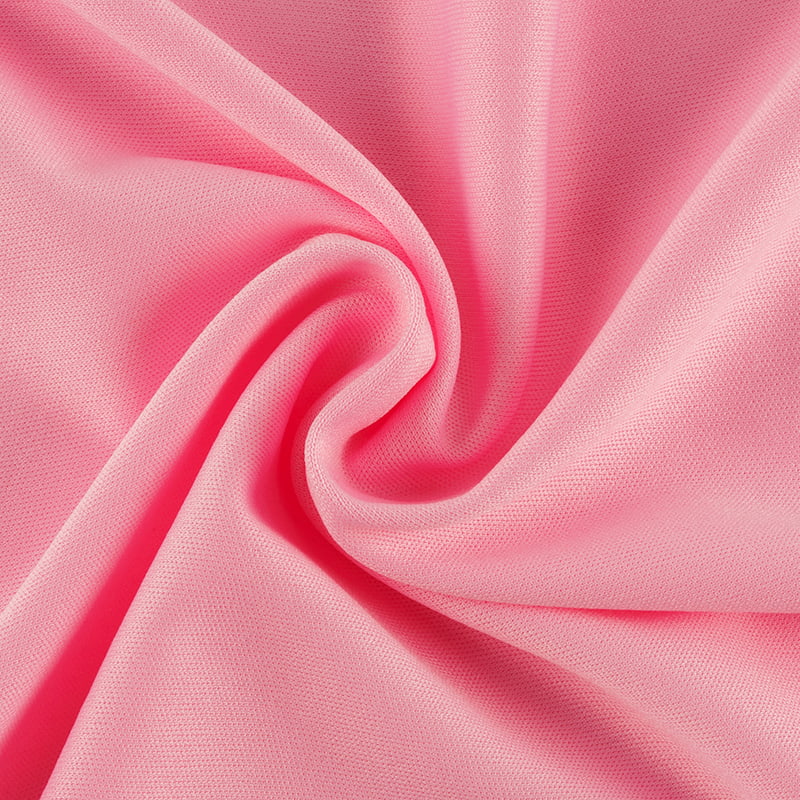
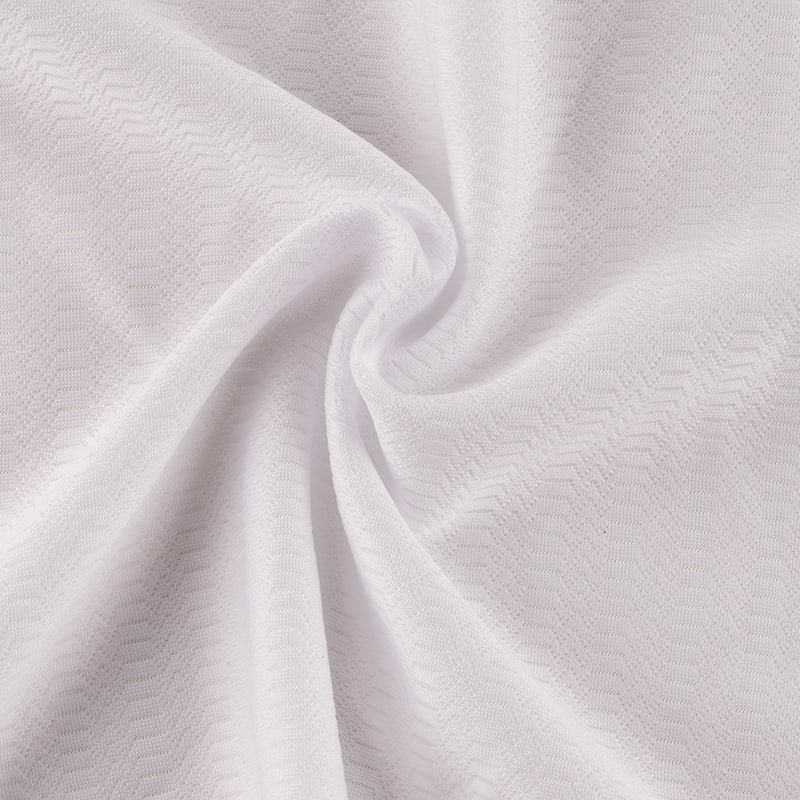
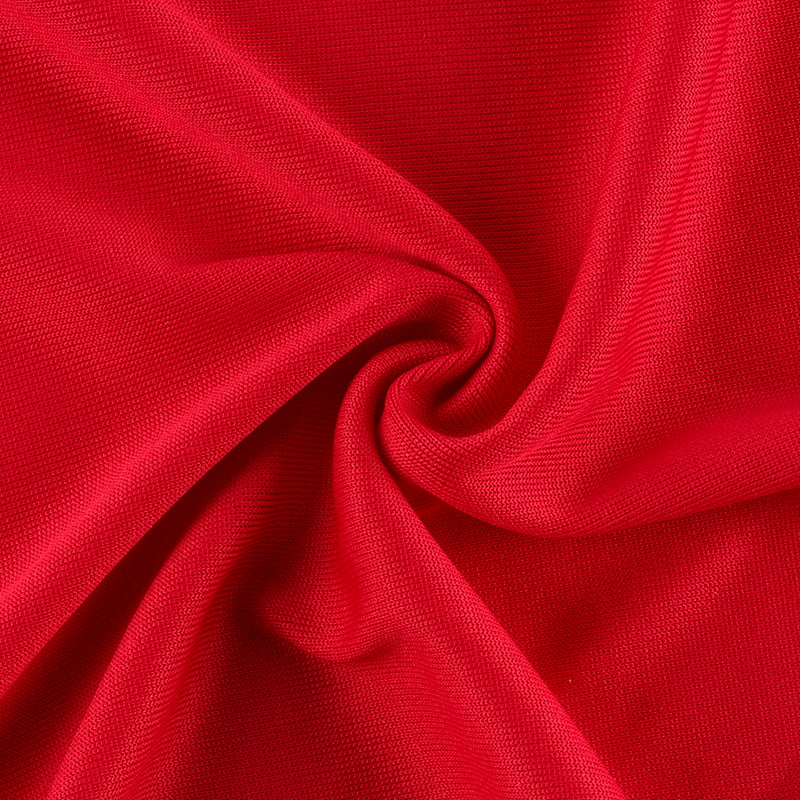
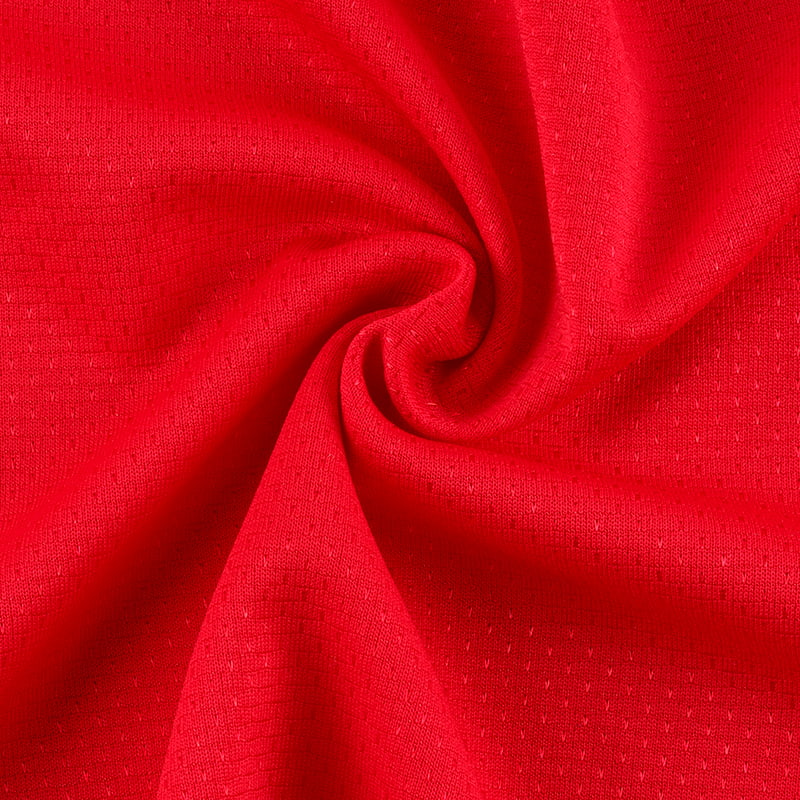
Warp knit fabric is produced when each individual yarn runs vertically (in the warp direction) and is knitted using its own needle, with all yarns interlocking simultaneously in a zigzag pattern to form loops that connect diagonally to adjacent wales. This is fundamentally different from weft knitting, where a single continuous yarn feeds horizontally across the fabric width, forming one row at a time. Because every yarn in warp knitting is secured independently along its own vertical path, the resulting fabric is highly resistant to runs, has minimal stretch in the length direction, and can be produced at speeds up to 10 times faster than weft knitting machines. These structural characteristics make warp knit fabric the preferred choice for applications ranging from activewear and lingerie to automotive interiors and medical textiles.
How Warp Knitting Differs From Weft Knitting
Understanding warp knit fabric requires first grasping the directional distinction that defines it, since this single structural difference cascades into nearly every performance characteristic the fabric exhibits.
Yarn Direction and Loop Formation
In warp knitting, a full sheet of parallel yarns—sometimes numbering in the thousands across a single machine width—feeds vertically into the knitting zone, with each yarn assigned to its own needle. As the machine operates, guide bars move each yarn diagonally to loop around adjacent needles, creating interconnected loops that run in a zigzag pattern along the fabric length rather than straight down a single column.
Why This Structure Prevents Runs
Because each yarn interlocks with multiple neighboring wales rather than depending on a single continuous thread, damage to one loop doesn't cascade down the fabric the way it does in weft-knit fabrics like standard jersey. This is the primary reason warp knit fabric is virtually run-resistant, a property that makes it especially valuable for hosiery, sportswear, and other applications where snag resistance matters.
The Warp Knitting Formation Process
Warp knit fabric is produced on specialized machinery that coordinates thousands of yarns simultaneously through a precisely timed mechanical sequence.
Yarn Beam Preparation
Before knitting begins, yarns are wound onto large warp beams, with each beam holding enough parallel yarn ends to supply the full working width of the machine. Beam preparation requires careful tension control, since uneven tension across thousands of yarns can cause visible defects or structural weak points in the finished fabric.
Guide Bar Movement
Guide bars—typically one to four bars depending on machine type and fabric complexity—control how each yarn moves laterally between needles. The specific pattern of guide bar movement, called the "lapping movement," determines the fabric's structure, stability, and surface appearance, making guide bar programming the central design variable in warp knitting.
Needle Bed Action
As guide bars position the yarns, a row of needles simultaneously forms loops across the entire fabric width in a single machine cycle. This simultaneous, full-width loop formation—rather than the sequential, row-by-row process used in weft knitting—is what allows warp knitting machines to achieve dramatically higher production speeds.
Take-Down and Winding
As fabric forms, it's continuously drawn downward and wound onto a fabric roll under controlled tension. Consistent take-down tension is critical for maintaining uniform fabric width and preventing distortion, particularly for fabrics that will undergo further finishing processes like heat-setting or dyeing.
The Two Main Warp Knitting Machine Types
Warp knit fabric is produced on two primary machine categories, each suited to different fabric structures and end-use applications.
| Characteristic | Tricot Knitting | Raschel Knitting |
|---|---|---|
| Needle Type | Bearded or compound needles | Latch needles |
| Fabric Density | Fine, tightly structured | Coarser, more open structures possible |
| Typical Fabric Weight | Lightweight to medium | Medium to heavy, including lace and nets |
| Common Applications | Lingerie, apparel linings, sportswear | Lace, nets, upholstery, technical textiles |
Tricot Knitting
Tricot machines produce fine, closely structured fabrics well-suited to apparel applications. The resulting fabric typically has a smooth face and slightly ribbed back, with excellent drape and a soft hand-feel that makes it popular for intimate apparel and lightweight sportswear.
Raschel Knitting
Raschel machines use latch needles and can accommodate a much wider range of yarn types and structures, including thicker yarns and complex openwork patterns. This versatility makes Raschel knitting the standard method for producing lace, nets, and technical fabrics used in applications like geotextiles and medical mesh.
Key Structural and Performance Properties
The distinctive knitting method translates into a specific set of measurable fabric properties that distinguish warp knit fabric from its weft-knit counterparts.
Dimensional Stability
Warp knit fabrics exhibit significantly less lengthwise stretch than weft knits because loops interlock diagonally across multiple wales rather than stacking vertically in a single column. This gives warp knit fabric better shape retention over repeated wear and washing, making it less prone to sagging or stretching out of shape.
Curl Resistance
Unlike single-jersey weft knits, which tend to curl at cut edges due to unbalanced loop tension, warp knit fabric's interlocking diagonal structure creates balanced internal tension that keeps edges flat. This significantly simplifies cutting and sewing operations during garment production.
Run Resistance
As noted earlier, the independent yarn structure means a broken or snagged loop generally stays localized rather than unraveling down an entire wale, a critical advantage for hosiery and any application involving repeated mechanical stress.
Porosity and Breathability
Depending on the guide bar lapping pattern used, warp knit fabric can be engineered anywhere from dense and opaque to highly open and mesh-like. This tunability allows manufacturers to target specific breathability and moisture-management requirements without changing the base yarn.
Production Speed and Manufacturing Efficiency
One of warp knitting's most significant commercial advantages is its production speed, which stems directly from its simultaneous, full-width loop formation process.
Because every needle across the machine width forms a loop in the same mechanical cycle, warp knitting machines can produce fabric at rates of up to 2,000-3,000 courses per minute, substantially outpacing typical weft knitting machine speeds. This efficiency advantage is a major reason warp knit fabric has become the dominant choice for high-volume applications like automotive upholstery and industrial textiles, where production throughput directly affects cost competitiveness.
Common Applications by Fabric Type
The specific properties of warp knit fabric make it a natural fit across a diverse range of industries, each leveraging different aspects of its structural characteristics.
- Activewear and sportswear: dimensional stability and curl resistance make warp knit fabric ideal for compression garments and performance apparel that must retain shape under stress.
- Lingerie and intimate apparel: tricot's smooth, soft hand-feel combined with run resistance suits delicate, close-fitting garments.
- Automotive interiors: high production speed and durability make warp knit fabric cost-effective for seat covers and interior trim at industrial scale.
- Medical textiles: Raschel-knit mesh structures are widely used in surgical mesh and wound care products due to their engineered porosity and structural stability.
- Geotextiles and industrial fabrics: open, net-like Raschel constructions provide the strength and permeability needed for soil stabilization and erosion control applications.
Common Limitations to Consider
Despite its advantages, warp knit fabric isn't the right choice for every application, and understanding its limitations helps ensure appropriate material selection.
Lower Elasticity Compared to Weft Knits
The same structural rigidity that gives warp knit fabric its dimensional stability also means it generally offers less stretch than weft-knit alternatives like jersey, making it less suitable for applications requiring maximum flexibility and give.
Higher Setup Complexity
Preparing thousands of individually beamed yarns and programming precise guide bar movements requires more upfront setup time and technical expertise than weft knitting, which can make warp knitting less economical for very small production runs or highly customized, low-volume orders.
Warp knit fabric's defining characteristic—yarns running vertically and interlocking diagonally across multiple wales—is the source of nearly every practical advantage it offers over weft-knit alternatives: run resistance, dimensional stability, curl-free edges, and dramatically faster production speeds. Understanding this structural foundation makes it easier to predict how a given warp knit fabric will perform, whether you're selecting material for activewear, evaluating options for automotive upholstery, or specifying technical textiles for medical or industrial use. When elasticity and maximum stretch are the priority, weft knit remains the better choice—but for stability, durability, and manufacturing efficiency at scale, warp knitting's structural advantages are difficult to match.