

 English
  中文简体
中文简体  русский
  Español
  عربى
عربى 
Content
- 1 What Exactly Is Warp Knit Fabric?
- 2 How Warp Knit Fabric Is Structured
- 3 Warp Knit vs. Weft Knit: The Core Differences
- 4 Warp Knit vs. Woven Fabric: Where They Overlap and Diverge
- 5 Main Types of Warp Knit Fabric
- 6 Where Warp Knit Fabric Is Used
- 7 Advantages and Limitations of Warp Knit Fabric
- 8 Key Takeaways
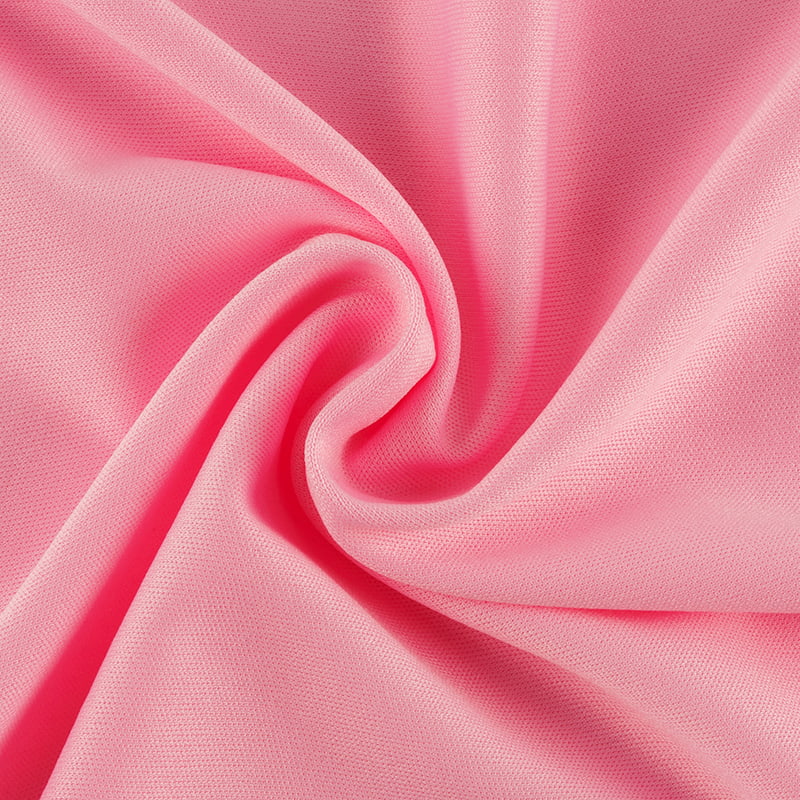
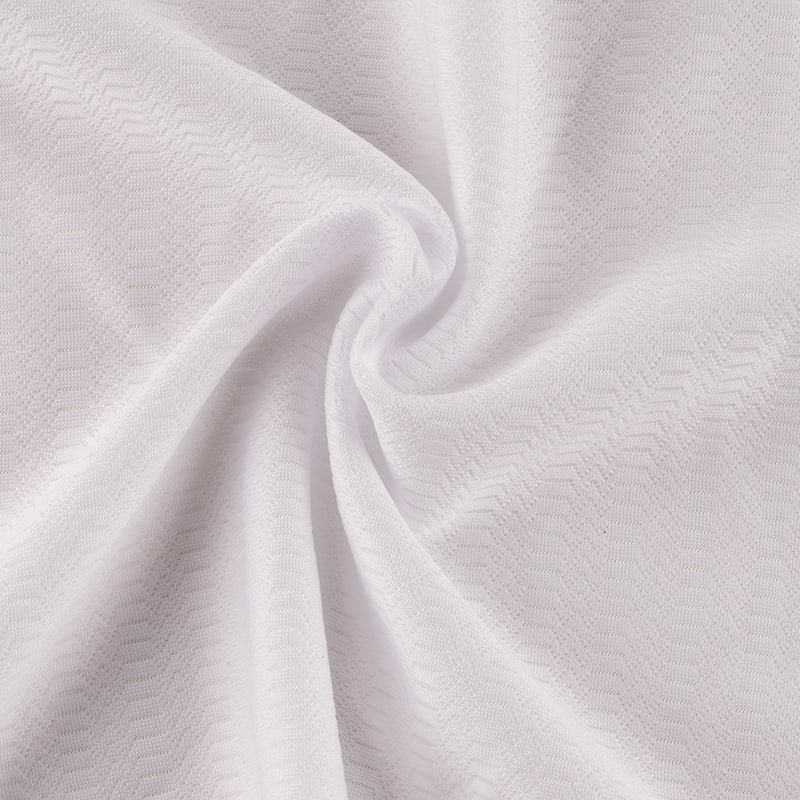
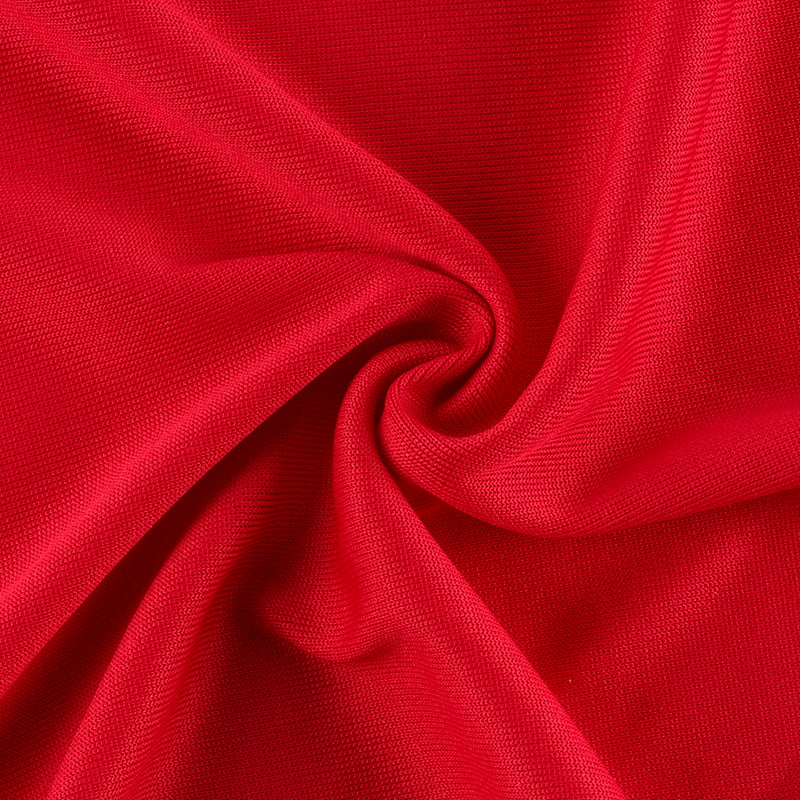
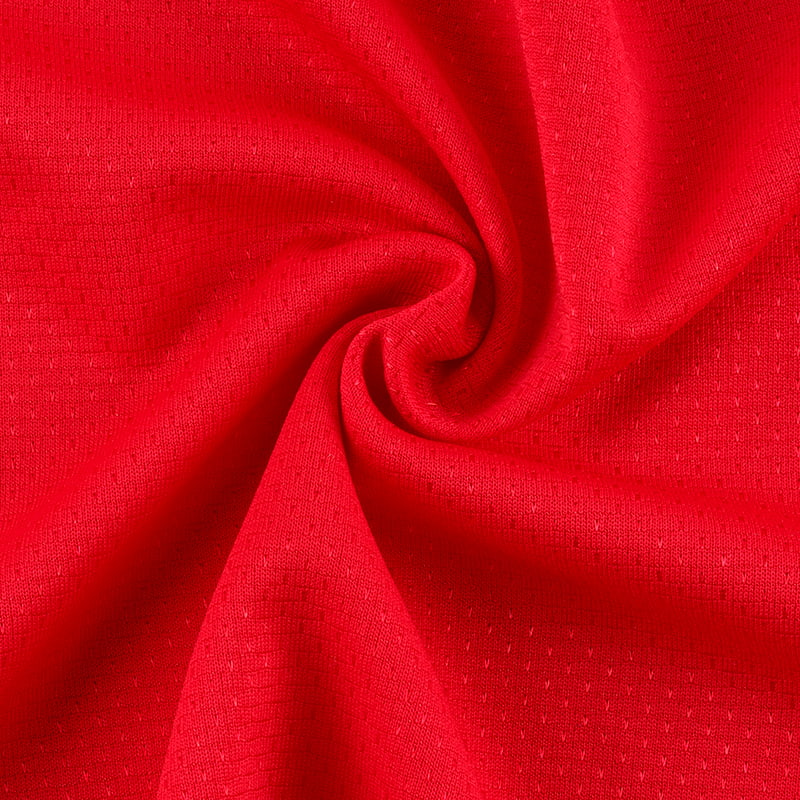
Warp knit fabric is a type of knitted textile where the yarns run vertically (along the length of the fabric) and interlock in a zigzag pattern across multiple needles simultaneously. The defining difference from other knit textiles is that warp knitting is highly resistant to runs and unraveling, produces a more stable structure, and is manufactured at significantly faster speeds than weft knitting. It is the backbone of industries ranging from sportswear and lingerie to medical textiles and automotive interiors.
What Exactly Is Warp Knit Fabric?
In warp knitting, each needle is fed by its own individual yarn — sometimes hundreds of yarns simultaneously — all running parallel in the warp direction (lengthwise). These yarns loop and interlock diagonally with adjacent yarns to form a cohesive fabric structure. The result is a textile that combines the stretch and softness of knitting with a dimensional stability closer to woven fabric.
Warp knitting is performed on specialized flat or circular warp knitting machines. The two most common machine types are:
- Raschel machines: Capable of producing complex, open, lace-like structures, technical meshes, and fabrics with inlaid yarns. Widely used for lingerie, sportswear nets, and geotextiles.
- Tricot machines: Produce fine, smooth, close-knit fabrics used in lingerie, swimwear, and lining materials. Among the fastest textile-producing machines in existence, capable of knitting at speeds exceeding 3,000 courses per minute.
Warp knitting accounts for approximately 15–20% of all knitted fabric production globally, with demand growing steadily in technical and performance textile sectors.
How Warp Knit Fabric Is Structured
Understanding the structure explains why warp knit behaves so differently from other textiles. Each loop in a warp knit fabric is connected not only to the loop above and below it (as in weft knitting) but also diagonally to loops on neighboring wales (vertical columns of stitches). This creates an interconnected mesh where no single yarn runs continuously across the width of the fabric.
Key structural characteristics include:
- Run resistance: Because loops interlock diagonally, a broken yarn cannot ladder or run down the fabric the way it does in a weft knit (like a stocking run).
- Low-to-moderate stretch: Warp knits typically stretch more in the width direction than the length, unlike weft knits which can stretch freely in all directions.
- Flat, smooth surface: The construction naturally produces a flatter face than weft knitting, making it ideal for printing and surface finishing.
- Porosity control: By adjusting the lapping movements of guide bars, manufacturers can create fabrics ranging from completely closed and dense to highly open mesh structures.
Warp Knit vs. Weft Knit: The Core Differences
Weft knitting is the more familiar method — it's how hand knitting works, and how most T-shirts and sweaters are made. A single yarn travels horizontally (across the width) forming rows of interlocked loops. Warp knitting flips this logic entirely.
| Property | Warp Knit | Weft Knit |
|---|---|---|
| Yarn direction | Vertical (lengthwise) | Horizontal (widthwise) |
| Run resistance | High | Low |
| Stretch direction | Primarily widthwise | Both directions (4-way possible) |
| Fabric stability | Higher dimensional stability | More prone to distortion |
| Production speed | Very fast (industrial scale) | Moderate |
| Unraveling risk | Very low | High if a yarn breaks |
| Typical products | Lingerie, sportswear, mesh, linings | T-shirts, sweaters, socks, fleece |
Warp Knit vs. Woven Fabric: Where They Overlap and Diverge
Warp knit fabric is sometimes confused with woven fabric because both offer more dimensional stability than weft knits. However, the construction methods and performance profiles are distinctly different.
- Woven fabric is made by interlacing two sets of yarns (warp and weft) at right angles. It has very little inherent stretch unless elastane is added, and it frays at cut edges.
- Warp knit fabric retains the looped structure of knitting, so it naturally has more elasticity and drape than a woven, and its edges do not fray — a significant advantage in garment production and technical applications.
This combination — stability closer to woven + stretch and no-fray properties of knitting — is precisely why warp knit is the preferred choice for performance apparel, medical compression garments, and technical textiles.
Main Types of Warp Knit Fabric
Warp knitting is not a single fabric — it encompasses a wide family of textiles, each with distinct characteristics:
- Tricot: Fine, lightweight, and smooth on the face. Used in lingerie, swimwear, and garment linings. Typically made from nylon or polyester.
- Raschel lace: Open, decorative structure mimicking traditional lace. Used in lingerie, bridal wear, and fashion trim.
- Spacer fabric: A 3D warp knit with two outer layers connected by a middle yarn layer. Provides cushioning and breathability — used in shoe uppers, mattress toppers, and medical padding.
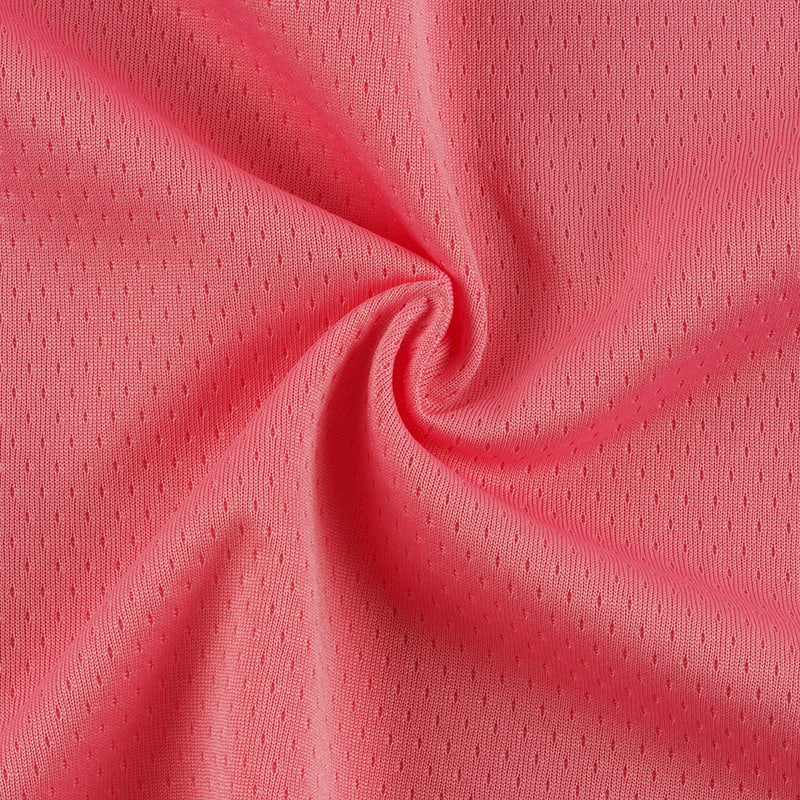
- Mesh: Open-structure warp knit with defined holes. Essential in athletic jerseys, laundry bags, filtration, and geotextiles.
- Velvet / velour (warp knit base): A warp knit ground fabric with cut pile on the surface. Softer and more stable than weft-knit velour.
- Technical warp knits: Engineered fabrics using carbon fiber, aramid, or glass yarns for aerospace, composites reinforcement, and protective gear.
Where Warp Knit Fabric Is Used
The versatility of warp knitting means it appears across an unusually wide range of end uses:
| Industry | Typical Warp Knit Application | Why Warp Knit Is Preferred |
|---|---|---|
| Apparel | Lingerie, swimwear, sportswear linings | Smooth hand, no-fray edges, shape retention |
| Medical | Compression bandages, hernia mesh, wound dressings | Controlled stretch, biocompatible, run-proof |
| Automotive | Seat covers, headliners, door panel linings | Durability, dimensional stability, abrasion resistance |
| Sports | Athletic jerseys, mesh shorts, compression wear | Breathability, moisture management, durability |
| Technical / Industrial | Geotextiles, composites reinforcement, filtration | High tensile strength, open structure options |
| Home Textiles | Mattress covers, curtain linings, upholstery backing | Stability, soft hand, cost-effective at scale |
Advantages and Limitations of Warp Knit Fabric
Advantages
- Run-proof and fray-resistant — edges can be cut without finishing in many applications.
- High production efficiency — tricot machines produce fabric up to 5 times faster than shuttle weaving looms.
- Versatile structure — from opaque and dense to open lace-like mesh, all from the same machine type.
- Compatible with technical yarns — carbon fiber, glass fiber, and aramid can all be processed on warp knitting machines.
- Good drape and comfort — despite higher stability than weft knits, it retains enough softness for next-to-skin use.
Limitations
- Less two-way stretch than weft knits — may not be suitable for applications requiring maximum freedom of movement in all directions.
- High equipment cost — warp knitting machines are complex and expensive, making small-batch production less economical.
- Design complexity — producing patterned or multi-color warp knits requires precise programming of guide bar movements, demanding skilled technical operators.
- Limited handcraft application — unlike weft knitting, warp knitting cannot be done by hand and is exclusively an industrial process.
Key Takeaways
- Warp knit fabric is produced by interlocking vertically running yarns in a diagonal zigzag, giving it superior stability and run resistance compared to weft knits.
- Its biggest advantages over weft knits are run-proof structure, higher dimensional stability, and faster industrial production.
- Compared to woven fabrics, it offers more stretch and no-fray cut edges — making it easier and faster to work with in garment construction.
- Tricot and Raschel are the two dominant machine types, each producing distinct fabric families for different end uses.
- Applications span from everyday lingerie and sportswear to advanced medical implants and aerospace composites — a range no other single knitting technology matches.