

 English
  中文简体
中文简体  русский
  Español
  عربى
عربى 
Content
- 1 Is Double-Sided Flat Fabric the Same as Double Knit? Here’s the Truth.
- 2 Can Double-Sided Flat Fabric Improve the Durability of Your Designs?
- 3 Why is Double-Sided Flat Fabric Considered the Ultimate Choice for Reversible Apparel?
- 4 Is Double-Sided Flat Fabric Suitable for High-End Minimalist Fashion?
- 5 What are the Top 5 Secret Benefits of Using Double-Sided Flat Fabric in Home Decor?
- 6 How Does the Texture of Double-Sided Flat Fabric Differ from Single-Sided Alternatives?
- 7 What Makes a High-Quality Double-Sided Flat Fabric?
- 8 Should You Choose Double-Sided Flat Fabric Over Traditional Wovens?
- 9 Is Double-Sided Flat Fabric Breathable Enough for Summer Collections?
- 10 FAQ: Frequently Asked Questions
- 11 References & Further Reading
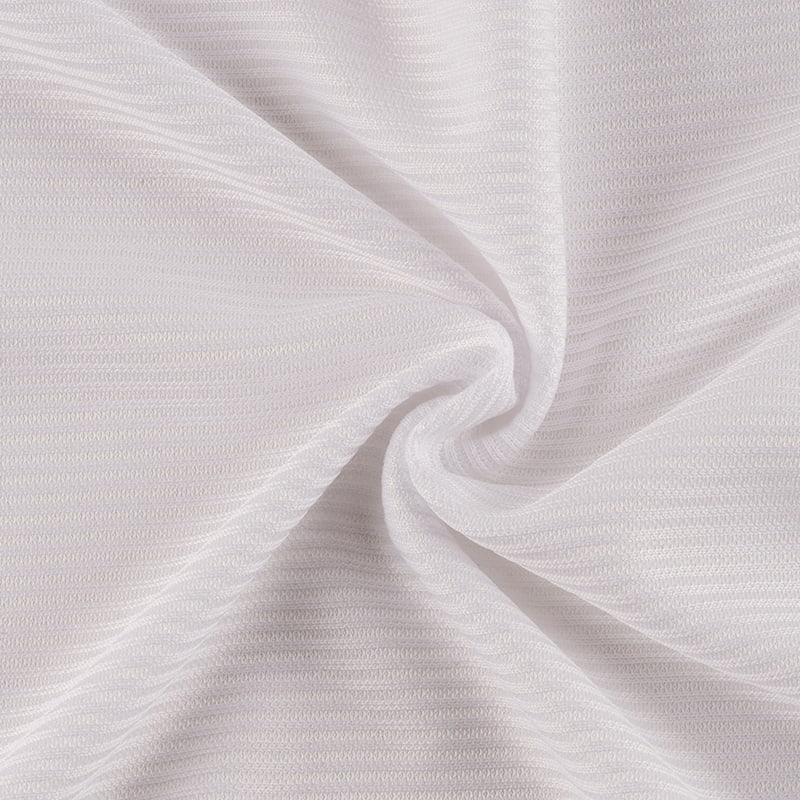
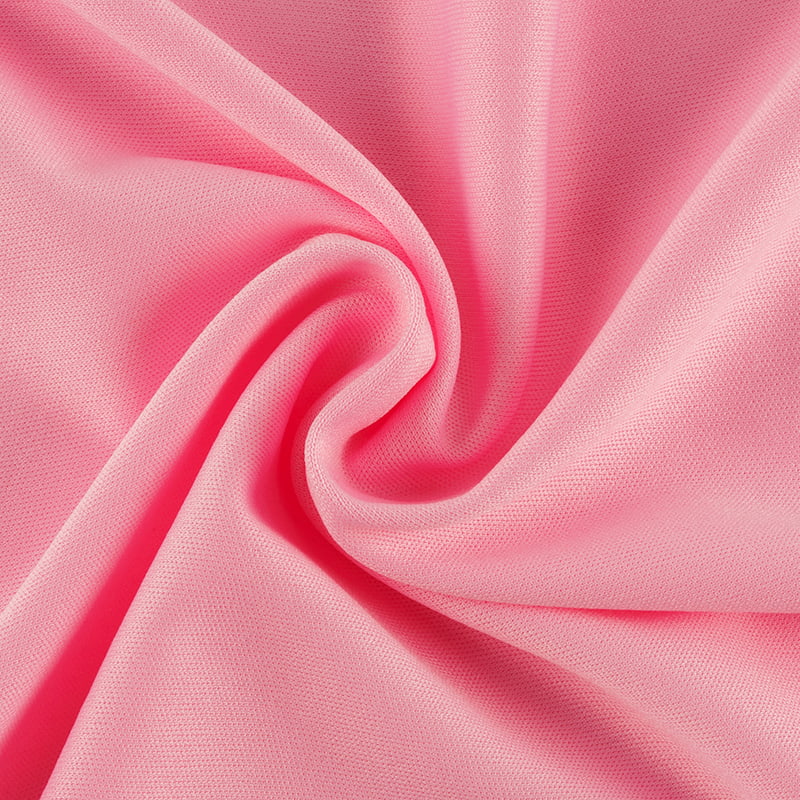
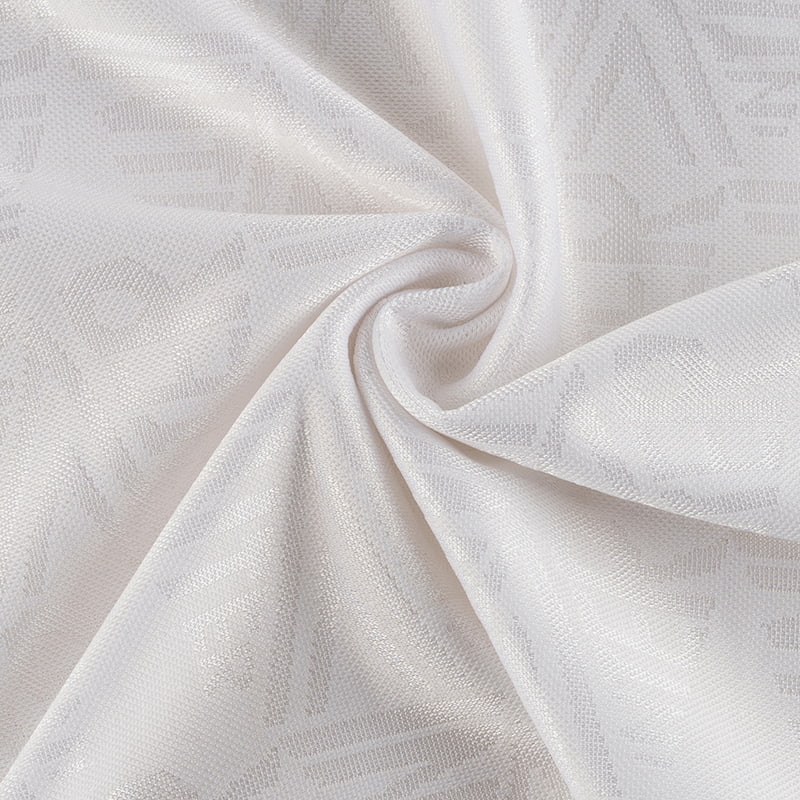
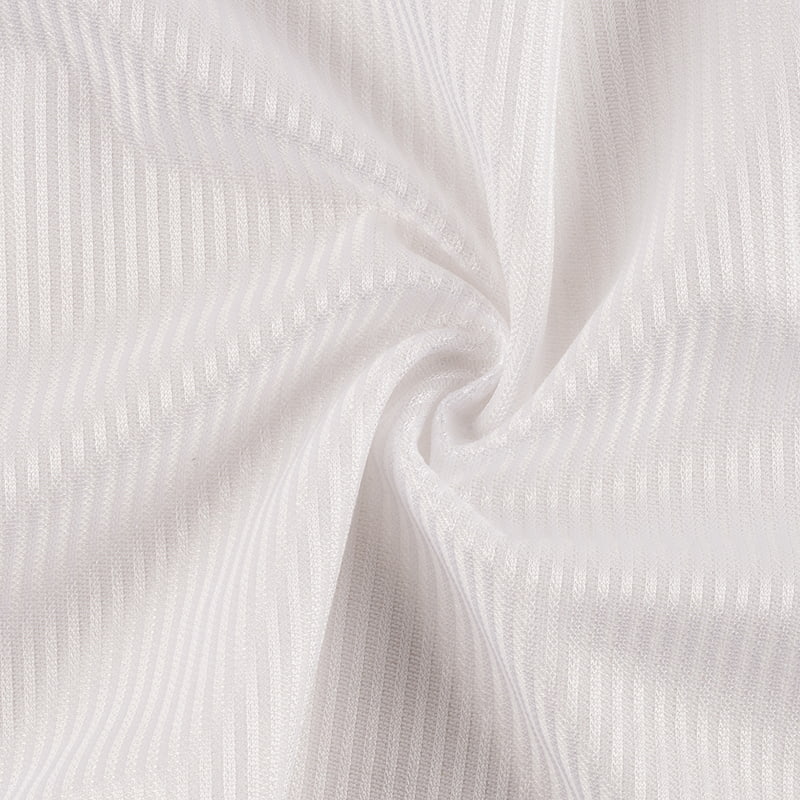
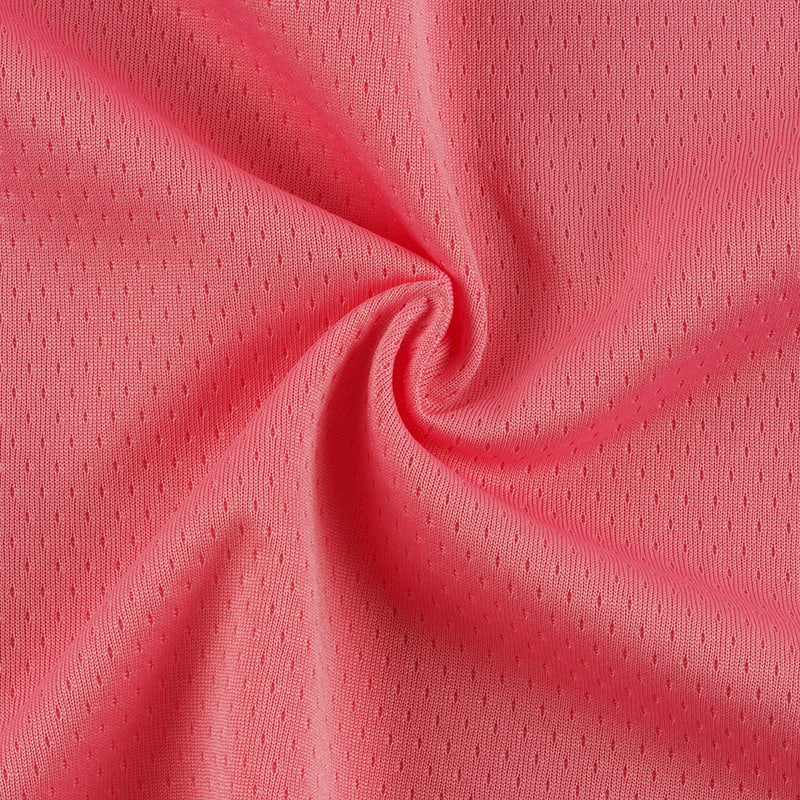
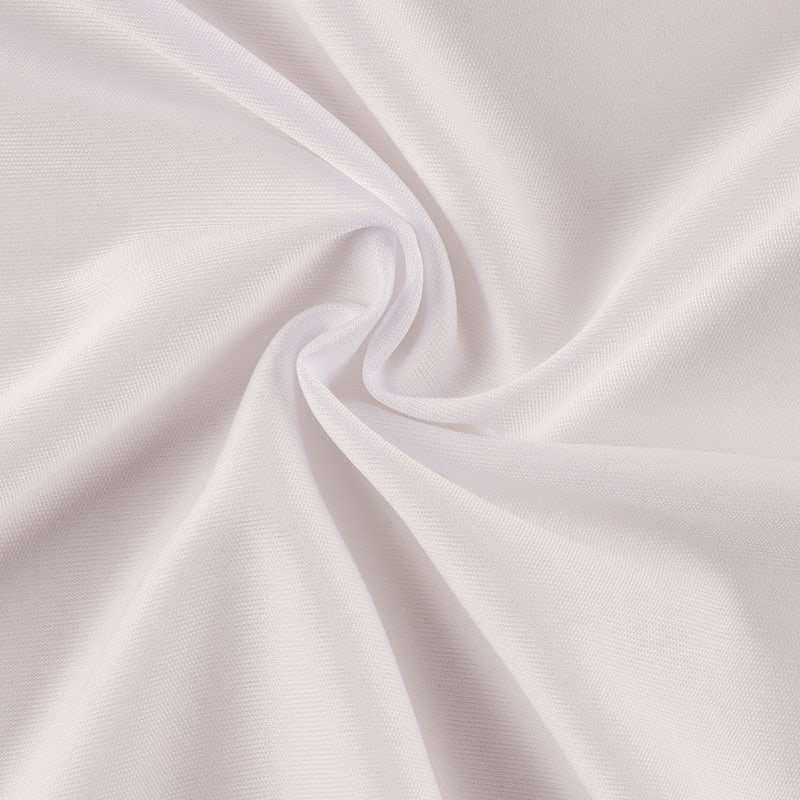
The textile industry is currently witnessing a paradigm shift where the boundaries between functionality and high fashion are blurring. At the heart of this movement is Double-Sided Flat Fabric. Unlike traditional fabrics that feature a distinct “right” and “wrong” side (the technical face and back), double-sided flat fabric is engineered to be identical on both sides. This is achieved through advanced knitting or weaving techniques that create a smooth, consistent, and “flat” texture that resists pilling and maintains a crisp silhouette.
Why is it Trending in 2026?
The rise of minimalism and the “Quiet Luxury” aesthetic have propelled this fabric to the forefront. Designers are increasingly looking for materials that offer a clean, architectural look without the need for bulky linings. Double-sided flat fabric provides:
- Reversibility: Allowing for multi-functional garments that cater to the modern, sustainable consumer.
- Structural Integrity: Its double-layered nature provides a natural “body” to the clothing, making it ideal for structured blazers and trench coats.
- Technical Sophistication: Recent innovations in fiber blending—combining natural wool or cotton with high-performance synthetics—have made these fabrics lighter and more breathable than ever before.
Is Double-Sided Flat Fabric the Same as Double Knit? Here’s the Truth.
Confusion often arises between these two terms because many double-sided flat fabrics are, in fact, created using a double-knit construction. However, they are not synonymous. “Double Knit” refers to the mechanical process, while “Double-Sided Flat Fabric” refers to the specific aesthetic and tactile result.
The Technical Distinction
A double knit is produced on a circular knitting machine with two sets of needles. This creates a fabric where the loops of one layer are interlocked with the loops of the other. Double-Sided Flat Fabric takes this a step further by utilizing high-gauge machinery (often 28G to 40G) to ensure the surface is exceptionally dense and “flat,” removing the visible grain typical of standard knits.
Structural Comparison Table
| Feature | Standard Double Knit | Double-Sided Flat Fabric |
|---|---|---|
| Surface Texture | Visible knit loops | Micro-smooth, flat finish |
| Drape | Heavy and fluid | Structured and crisp |
| Common Use | Sportswear, leggings | High-end tailoring, coats |
| Edge Stability | Good | Excellent (allows for raw-cut edges) |
Can Double-Sided Flat Fabric Improve the Durability of Your Designs?
Durability is a cornerstone of sustainable fashion. For manufacturers, the primary concern is often how a fabric holds up after multiple washes and extended wear. Double-sided flat fabric excels here because of its interlocked architecture. Traditional single-knit fabrics (like Jersey) tend to curl at the edges and are prone to “laddering” or running if a thread breaks.
Engineering Longevity
Because double-sided flat fabric is essentially two layers integrated into one, it possesses a natural resistance to snagging. Even if a surface thread is caught, the secondary layer provides a safety net that prevents the hole from expanding. Furthermore, the “flat” nature of the finish means there are fewer raised fibers to rub together, which significantly reduces pilling—the nemesis of high-quality apparel.
Why is Double-Sided Flat Fabric Considered the Ultimate Choice for Reversible Apparel?
Reversibility is more than just a gimmick; it is a design philosophy that doubles the value of a garment for the consumer while reducing material waste. Double-sided flat fabric is the “holy grail” for this category because it eliminates the need for a lining.
The “No-Lining” Revolution
In traditional garment construction, a lining is used to hide the messy seams and the “wrong” side of the outer fabric. With double-sided flat fabric, designers can use “flat-felled” seams or “piped” edges to create a piece that looks impeccable inside and out. This leads to:
- Reduced Weight: No extra layer of lining means the garment is lighter and more packable.
- Clean Aesthetics: The interior matches the exterior, allowing for contrasting color-block designs (e.g., a navy coat with a grey interior).
Is Double-Sided Flat Fabric Suitable for High-End Minimalist Fashion?
Minimalism thrives on the quality of the material rather than the complexity of the pattern. High-end brands like Jil Sander and The Row frequently turn to double-sided flat fabrics because they provide a “sculptural” quality.
Achieving the “Sculptural” Silhouette
Minimalist fashion requires clean lines and sharp corners. Standard fabrics often sag or lose their shape over time. However, the density of a flat double-sided fabric ensures that a collar stays upright and a hem stays perfectly straight. It provides the “bone” of the garment, allowing the designer to create 3D shapes that hold their form without the need for stiff, uncomfortable interlinings.
What are the Top 5 Secret Benefits of Using Double-Sided Flat Fabric in Home Decor?
While its popularity in fashion is well-documented, double-sided flat fabric is a rising star in interior design.
- Acoustic Insulation: The double-layered structure acts as a natural sound dampener, perfect for curtains or room dividers.
- UV Resistance: High-density flat fabrics often provide better UV protection, preventing furniture from fading.
- No-Curl Edges: For table runners or throw blankets, the fabric stays flat against the surface without needing heavy hems.
- Opaque Privacy: It provides 100% opacity, making it ideal for privacy screens.
- Thermal Regulation: The air trapped between the two layers acts as an insulator, keeping homes warmer in winter and cooler in summer.
How Does the Texture of Double-Sided Flat Fabric Differ from Single-Sided Alternatives?
The “hand-feel” (tactile sensation) of double-sided flat fabric is often described as “cool,” “dry,” and “meaty.” Unlike single-sided fabrics that have a soft “fuzz” on the back, this fabric feels like premium parchment or smooth leather on both sides.
The Sensory Experience
When you run your hand over a single-sided jersey, you feel the texture of the knit. With a double-sided flat fabric, the gauge is so fine that it feels almost like a solid surface. This “premium dryness” is highly sought after for summer luxury collections because it doesn’t stick to the skin when the humidity rises.
What Makes a High-Quality Double-Sided Flat Fabric?
Not all double-sided fabrics are created equal. Buyers must look for specific indicators of quality to ensure they are getting a premium product.
The “Gauge” Factor
The gauge refers to the number of needles per inch. A high-quality flat fabric should have a gauge of at least 32G. This ensures the surface is “closed” and opaque.
Fiber Composition
Look for long-staple fibers. Whether it is Pima Cotton or Extra Fine Merino Wool, longer fibers result in a smoother “flat” finish with fewer protruding ends. Cheap polyester blends will often look flat initially but will “fuzzy up” after just one wash.
Should You Choose Double-Sided Flat Fabric Over Traditional Wovens?
Traditional woven fabrics (like Twill or Poplin) have long been the standard for shirting and suiting. However, double-sided flat fabrics offer a modern alternative that combines the elegance of a weave with the comfort of a knit.
The Comfort Quotient
Traditional wovens can be restrictive. Double-sided flat fabrics, being typically knit-based, offer 4-way stretch. This means a “flat fabric” suit can look as sharp as a traditional wool suit but feel as comfortable as a tracksuit. For the modern “Work from Anywhere” professional, this is the ultimate hybrid solution.
Is Double-Sided Flat Fabric Breathable Enough for Summer Collections?
A common misconception is that “double” means “hot.” In reality, breathability depends on the fiber and the porosity of the knit.
Engineering Airflow
By using high-twist yarns (like Crepe yarns), manufacturers can create a double-sided flat fabric that has tiny, invisible gaps for air to pass through. Additionally, using moisture-wicking fibers like Tencel or Coolmax allows the fabric to pull sweat away from the body, making it a superior choice for “Luxury Techwear” designed for warm climates.
FAQ: Frequently Asked Questions
Q: Does double-sided flat fabric wrinkle easily?
A: Generally, no. Its double-layered structure provides excellent “wrinkle recovery,” making it ideal for travel-wear.
Q: Can I wash this fabric in a machine?
A: It depends on the fiber. Cotton and synthetic blends are usually machine-washable, but wool or silk versions should be dry-cleaned to maintain the “flat” surface.
Q: Is it the same as “Interlock” fabric?
A: Interlock is a type of double knit that can be a double-sided flat fabric, but “Double-Sided Flat” is a broader term that includes higher-end finishes and even some woven varieties.
References & Further Reading
- Textile Science & Technology: Advances in Double-Knit Structures, International Textile Press (2025).
- The Minimalist Aesthetic: Materiality in 21st Century Fashion, Journal of Design Studies.
- Sustainability in Fiber Engineering, Global Fabric Review, Vol. 14.