

 English
  中文简体
中文简体  русский
  Español
  عربى
عربى 
Content
- 1 Why Flat Fabric is Important in the Textile and Apparel Industry
- 1.1 Contribution to Comfort and Breathability
- 1.2 Cost Control and Production Efficiency
- 1.3 Application in Multiple Scenarios
- 1.4 Customizability: Color, Texture, Thickness, and Elasticity
- 1.5 Comparison of Flat Fabric Characteristics
- 1.6 Impact on Fabric Performance
- 1.7 Influence on Design and Style
- 1.8 Environmental Considerations
- 2 When and Where is Flat Fabric Most Commonly Used?
- 2.1 Sport Casual Series: T-Shirts, Sweatpants, and Sweatshirts
- 2.2 Homewear and Sleepwear Applications
- 2.3 Key Material Choice in OEM/ODM Customized Products
- 2.4 Single-Sided vs Double-Sided Flat Fabric in Different Garment Functions
- 2.5 Comparison Table of Flat Fabric Applications
- 2.6 Seasonal and Functional Considerations
- 2.7 Influence on Manufacturing Efficiency and Product Consistency
- 3 How do Single-Sided and Double-Sided Flat Fabrics Differ in Performance?
- 3.1 Softness, Lightweight, and Breathability of Single-Sided Flat Fabric
- 3.2 Warmth, Thickness, and Durability of Double-Sided Flat Fabric
- 3.3 Adaptability to Printing, Embroidery, and Post-Processing
- 3.4 Differences in Fabric Hand and Visual Effect
- 3.5 Comparison Table of Single-Sided and Double-Sided Flat Fabrics
- 3.6 Impact on Garment Functionality
- 3.7 Seasonal and Performance Considerations
- 3.8 Manufacturing and Design Flexibility
- 4 What Trade-Offs Do Buyers and Manufacturers Face When Selecting Flat Fabrics?
- 4.1 Comfort vs Durability
- 4.2 Cost vs Functional Performance
- 4.3 Single-Sided vs Double-Sided Flat Fabric for Seasonal and Garment Type Adaptation
- 4.4 Customization Trade-Offs: Color, Texture, and Production Complexity
- 4.5 Comparison Table of Trade-Offs in Flat Fabric Selection
- 4.6 Balancing Buyer and Manufacturer Objectives
- 4.7 Practical Considerations in Production Planning
- 4.8 Impact on Consumer Experience and Market Positioning
- 5 References / Sources
Why Flat Fabric is Important in the Textile and Apparel Industry
Contribution to Comfort and Breathability
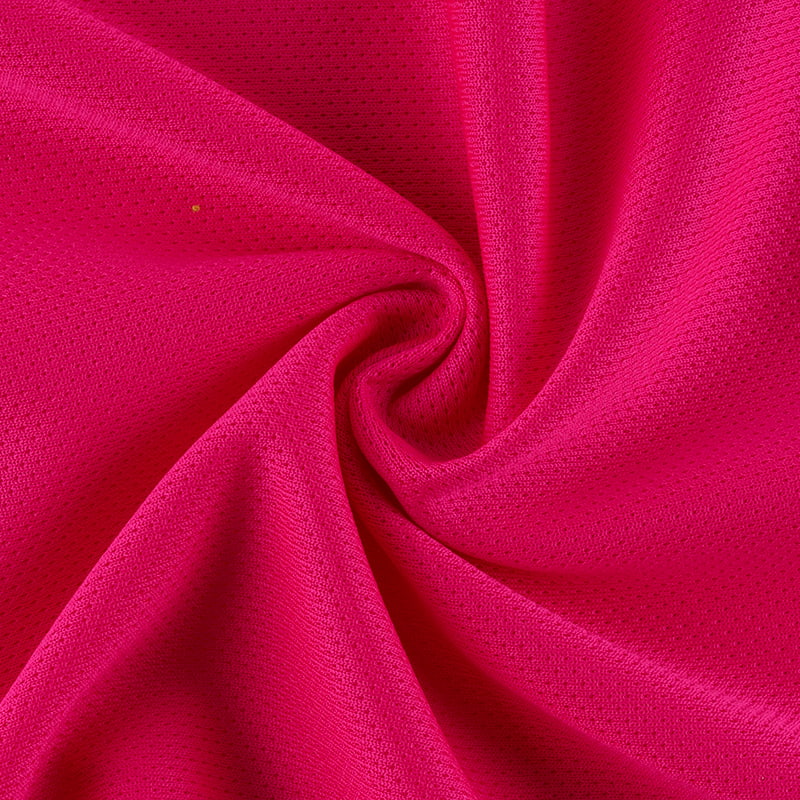
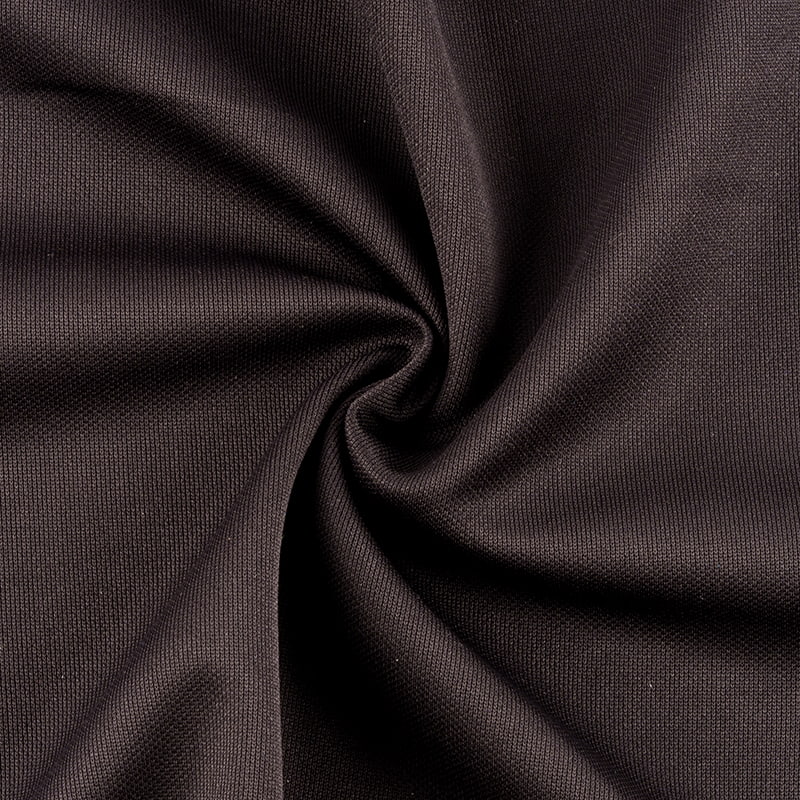
Flat fabric plays a crucial role in determining the comfort and breathability of garments. Its smooth surface and even structure allow for consistent airflow, which helps regulate body temperature and moisture. For example, during physical activity or in warm climates, garments made from flat fabric can help prevent overheating by allowing air to circulate efficiently. This property is also valuable for garments intended for prolonged wear, as it reduces the likelihood of skin irritation or discomfort caused by uneven texture or friction. The uniformity of flat fabric ensures that the feel of the garment remains consistent across the entire surface, making it suitable for sensitive skin or areas where prolonged contact occurs, such as under the arms or around the collar. Additionally, flat fabric can combine with lightweight fibers to create garments that are soft to the touch while maintaining adequate structure, which contributes to both comfort and functional performance in everyday wear.
Another aspect of breathability relates to moisture management. Flat fabrics with specific weaves or fiber compositions can facilitate the movement of sweat away from the skin, promoting quicker evaporation. This is particularly important in sports casual clothing, where maintaining dryness enhances performance and comfort. Even in loungewear or homewear, the ability of flat fabric to provide airflow without compromising warmth or softness adds value to garments intended for relaxation and daily use.
Cost Control and Production Efficiency
The use of flat fabric offers practical advantages in manufacturing, particularly regarding cost control and production efficiency. Its consistent thickness and uniform structure simplify cutting and sewing processes, which reduces material waste and lowers the risk of errors. Automated machinery can handle flat fabric more predictably than uneven or textured fabrics, allowing manufacturers to maintain consistent production speed. This predictability contributes to reliable timelines, lower labor costs, and fewer defects during assembly. In addition, because flat fabrics generally lie flat and resist stretching or distortion during handling, they can minimize rework and material replacement, further contributing to cost management.
Production efficiency is also enhanced because flat fabric can be standardized across multiple garment types, which reduces the complexity of inventory management. Manufacturers can source large quantities of uniform flat fabric for various product lines, simplifying logistics and storage. The ability to predict how flat fabric behaves during finishing treatments, such as pressing or coating, also allows for smoother operations and fewer disruptions in the production line. This combination of predictable handling, low waste, and process compatibility makes flat fabric a practical choice for large-scale apparel manufacturing.
Application in Multiple Scenarios
Flat fabric finds applications across a wide range of apparel categories due to its balanced properties. In sportswear, the even texture supports ease of movement while helping to manage moisture, which is important for comfort during physical activity. Flat fabric can also be integrated with elastic fibers to provide controlled stretch and recovery, ensuring garments maintain shape and support dynamic movements. In homewear, its soft touch and light weight create a sense of ease, making garments suitable for indoor and casual settings. For children’s clothing, flat fabric ensures predictable sizing, smooth texture, and durability for frequent washing and wear, which is a key consideration for caregivers.
Furthermore, flat fabric is compatible with layered clothing or mixed-material designs. Its uniform surface makes it easier to combine with other fabrics without causing bulkiness or uneven drape. This versatility allows designers to explore various combinations in sports casual clothing, homewear, and children’s apparel while maintaining functionality and consistent comfort for the wearer.
Customizability: Color, Texture, Thickness, and Elasticity
Flat fabric offers significant opportunities for customization, enabling designers and manufacturers to achieve specific functional or aesthetic objectives. Variations in color can be applied consistently across large production batches, whether through dyeing, printing, or finishing processes. The even surface ensures that patterns, prints, and textures remain uniform, providing a controlled visual effect. Designers can also adjust the thickness of flat fabric to produce garments that range from lightweight, breathable pieces to more insulating layers suitable for cooler conditions.
Elasticity is another dimension of customization. By incorporating different fiber blends or adjusting knitting and weaving techniques, flat fabric can achieve targeted stretch and recovery characteristics. This enables garments to meet functional requirements, such as activewear that stretches with movement or fitted homewear that retains shape after repeated use. The predictable behavior of flat fabric during production ensures that these customizations remain consistent, reducing the likelihood of variation between batches and supporting reliable garment performance.
Comparison of Flat Fabric Characteristics
| Characteristic | Impact | Applications |
| Even Surface | Supports consistent comfort and touch | Sportswear, loungewear, children’s clothing |
| Consistent Thickness | Facilitates cutting, sewing, and finishing | Mass production, uniform sizing |
| Breathability | Allows moisture management and airflow | Casual clothing, activewear |
| Customizable Properties | Enables controlled elasticity, texture, and color | Fashion design, functional apparel |
| Predictable Handling | Reduces waste and production errors | Large-scale manufacturing |
Impact on Fabric Performance
The structural qualities of flat fabric influence the overall performance of garments. Its uniformity reduces stress points during wear, which can help garments maintain shape and appearance over time. In fabrics blended with elastic fibers, even tension distribution supports consistent stretch and recovery. Flat fabric also allows for predictable results when applying finishing treatments such as softeners, anti-pilling agents, or water-repellent coatings, ensuring functional characteristics are maintained across production batches. This predictability is valuable for manufacturers and brands that need consistent quality in each garment produced.
Additionally, the performance of flat fabric can extend to durability and maintenance. Smooth, uniform surfaces tend to resist snagging and deformation, which contributes to longer garment lifespan. The ease of care associated with flat fabric, including washing and ironing, enhances convenience for end-users. Garments retain their intended structure and tactile properties even after repeated use, reinforcing the practical benefits of flat fabric in everyday apparel.
Influence on Design and Style
Flat fabric provides a reliable foundation for design and styling. Its smooth, even surface allows for precise application of embellishments, embroidery, and prints, ensuring consistent visual effects. Designers can experiment with silhouettes, layering, and drape without concern for unpredictable fabric behavior. For garments that combine multiple materials, flat fabric offers a stable base that interacts well with other textures, helping maintain the intended shape and fit. The combination of functional and aesthetic properties allows designers to create garments that balance comfort, performance, and visual appeal, which is important for consumer satisfaction in competitive apparel markets.
Furthermore, the versatility of flat fabric supports diverse fashion trends, from casual and sportswear to children’s apparel and homewear. Its predictable characteristics simplify prototyping and production adjustments, which is valuable for designers managing multiple collections or exploring new design ideas.
Environmental Considerations
The predictable nature of flat fabric can contribute to more sustainable production practices. Reduced material waste during cutting and handling lowers the environmental footprint of garment manufacturing. Consistency across production batches minimizes defective garments, reducing the need for reprocessing or disposal. Flat fabric is compatible with a variety of finishing techniques, including environmentally conscious treatments such as low-impact dyes and water-efficient processes, which allows manufacturers to implement sustainable practices without compromising performance or appearance. Overall, the structural qualities of flat fabric support efficiency, longevity, and controlled use of resources in the textile industry.
When and Where is Flat Fabric Most Commonly Used?
Sport Casual Series: T-Shirts, Sweatpants, and Sweatshirts
Flat fabric is frequently used in the production of sport casual clothing, including T-shirts, sweatpants, and sweatshirts. Its even texture and consistent thickness make it suitable for garments that require comfort, mobility, and moderate elasticity. In T-shirts, flat fabric provides a smooth surface that allows for even printing and a lightweight feel, which is important for daily wear and exercise. For sweatpants and sweatshirts, the fabric offers controlled stretch and soft touch, which contribute to unrestricted movement and comfort during physical activity or leisure. Additionally, flat fabric facilitates predictable garment drape, allowing designers to maintain consistent silhouettes across multiple sizes and styles. The versatility of flat fabric in this category also supports layering, as it can be combined with other fabrics or trims without creating bulk.
Sport casual fabrics are often produced with specific fiber blends or finishes to improve moisture absorption and air circulation. This ensures that garments remain comfortable even during prolonged use. Single-sided flat fabric is frequently used where a lightweight, breathable layer is sufficient, while double-sided flat fabric may be applied in sweatshirts or sweatpants where additional warmth or structural stability is desired. The adaptability of flat fabric in terms of thickness, color, and elasticity allows manufacturers to align production with design intent and functional requirements in sport casual clothing.
Homewear and Sleepwear Applications
Flat fabric is widely employed in homewear and sleepwear due to its softness, smooth texture, and consistent performance. Garments designed for indoor use, such as pajamas, lounge sets, and nightgowns, benefit from the uniform surface and even stretch of flat fabric, which provides comfort during extended wear. The breathability of flat fabric allows for adequate airflow, preventing overheating while sleeping, and maintaining a gentle feel against sensitive skin.
In homewear, the choice between single-sided and double-sided flat fabric depends on the functional requirements. Single-sided flat fabric is suitable for lightweight sleepwear, offering flexibility and ease of movement, whereas double-sided flat fabric is preferred in garments intended for slightly heavier coverage, such as lounge jackets or long-sleeve sets, where additional insulation and structure improve comfort. Flat fabric also supports customization, allowing manufacturers to adjust color, thickness, and texture according to seasonal trends and consumer preferences.
Key Material Choice in OEM/ODM Customized Products
Flat fabric serves as a key material in OEM and ODM custom apparel production. Its consistent structure and predictable behavior during processing make it suitable for a wide range of customized clothing items. Brands and designers relying on OEM/ODM services value flat fabric for its adaptability in meeting specific design specifications, including garment shape, print application, and fabric hand feel. By using flat fabric, manufacturers can reliably produce large volumes of clothing with consistent quality, which is essential for meeting client requirements and maintaining production efficiency.
Customization in OEM/ODM contexts often involves selecting fabric properties that align with brand identity or target consumer experience. Single-sided flat fabric is commonly chosen for lightweight, breathable items, such as summer T-shirts or casual tops, whereas double-sided flat fabric is used for garments requiring moderate warmth or additional surface stability. Flat fabric’s ability to accommodate a wide range of finishes, including dyeing, printing, and embossing, further enhances its value in custom production scenarios.
Single-Sided vs Double-Sided Flat Fabric in Different Garment Functions
Understanding the differences between single-sided and double-sided flat fabric is essential for determining their appropriate application. Single-sided flat fabric typically features one smooth, finished surface with a simpler construction, which makes it suitable for lightweight tops, T-shirts, and casual wear that require breathability and ease of movement. The single-sided construction allows for straightforward printing and embellishment application, while keeping garment weight low.
Double-sided flat fabric, in contrast, features a more complex structure with finished surfaces on both sides. This provides additional thickness, warmth, and stability, making it suitable for sweatshirts, sweatpants, and other garments where structural integrity or moderate insulation is needed. Double-sided flat fabric also supports reversible design options and provides a consistent feel on both sides of the garment. Its performance in maintaining shape and reducing stretching over time makes it a practical choice for activewear and casual apparel where durability is a consideration.
Comparison Table of Flat Fabric Applications
| Fabric Type | Primary Use | Functional Features | Typical Garments |
| Single-Sided Flat Fabric | Lightweight, breathable clothing | Smooth surface, low weight, easy printing | T-shirts, summer tops, lightweight sleepwear |
| Double-Sided Flat Fabric | Moderate warmth, structured garments | Uniform feel on both sides, added thickness, stable drape | Sweatshirts, sweatpants, reversible loungewear |
| Sport Casual Fabric | Active and leisure wear | Breathable, flexible, comfortable for movement | Jogging suits, hoodies, athletic T-shirts |
| Homewear Fabric | Comfort-focused indoor wear | Soft touch, smooth texture, consistent stretch | Pajamas, lounge sets, nightgowns |
| OEM/ODM Custom Fabric | Customized garment production | Adaptable thickness, texture, color, print compatibility | Brand-specific T-shirts, casual tops, customized loungewear |
Seasonal and Functional Considerations
The choice of flat fabric type is often influenced by seasonal conditions and intended garment function. During warmer months, single-sided flat fabric is favored for its lightweight and breathable properties, which enhance comfort in heat and physical activity. For colder conditions, double-sided flat fabric may be selected for homewear and sport casual garments, providing additional insulation without excessive bulk. Seasonal considerations also extend to aesthetic features such as color and surface finish, which can be adapted to fashion trends without compromising fabric performance.
Flat fabric’s predictable structure also facilitates functional enhancements, such as moisture-wicking finishes for sport casual clothing or anti-static treatments for sleepwear. These modifications are easier to implement on consistent, even fabric surfaces, which supports both comfort and performance across different scenarios. The adaptability of flat fabric allows designers and manufacturers to align garment properties with specific seasonal or functional requirements, maintaining consumer satisfaction in multiple markets.
Influence on Manufacturing Efficiency and Product Consistency
Flat fabric contributes to manufacturing efficiency by providing a predictable material for cutting, sewing, and finishing processes. Its uniform thickness and smooth texture reduce the risk of production errors and material waste. This consistency is particularly important in OEM/ODM environments, where large production runs demand uniform performance across multiple batches. Flat fabric also allows for consistent garment sizing, as its predictable stretch and recovery behavior ensures that patterns and measurements remain accurate during production.
Additionally, the consistent performance of flat fabric supports a wide range of design features, including printed patterns, textured surfaces, and reversible garments. Whether used in sport casual clothing, homewear, or customized products, the fabric’s reliability ensures that finished garments meet functional expectations and maintain a uniform appearance across different production lines.
How do Single-Sided and Double-Sided Flat Fabrics Differ in Performance?
Softness, Lightweight, and Breathability of Single-Sided Flat Fabric
Single-sided flat fabric is commonly valued for its soft and lightweight qualities, making it suitable for garments that prioritize comfort and flexibility. Its smooth surface lies flat against the skin, providing a gentle touch without adding bulk. The fabric’s breathable structure allows air to circulate easily, which supports moisture evaporation and contributes to overall comfort during extended wear. In applications such as T-shirts, summer tops, and activewear, these properties help maintain a balanced temperature and reduce discomfort caused by heat or perspiration. Single-sided flat fabric also adapts well to layering, as its low weight does not interfere with the fit of overlying garments or restrict movement.
The performance of single-sided flat fabric extends to garments requiring fluid drape and moderate stretch. The single finished side allows patterns, prints, or embellishments to appear clearly, while the fabric’s overall flexibility ensures ease of cutting and sewing. Designers often choose single-sided flat fabric when a smooth surface is preferred on one side of the garment, such as in casual wear or lightweight loungewear. Its predictable behavior during processing reduces fabric distortion, maintaining consistent garment quality across multiple production runs.
Warmth, Thickness, and Durability of Double-Sided Flat Fabric
Double-sided flat fabric provides additional thickness, insulation, and structural stability compared to single-sided fabric. With finished surfaces on both sides, it creates a balanced feel and adds a moderate level of warmth, which makes it suitable for garments intended for cooler conditions or more structured apparel. Sweatshirts, sweatpants, and heavier loungewear often incorporate double-sided flat fabric due to its ability to retain shape and provide consistent coverage. The added weight and density of the fabric enhance durability, allowing garments to withstand repeated use and washing while maintaining their intended form.
The dual-sided finish also contributes to a uniform appearance and tactile feel on both sides of the garment. This feature is particularly useful in reversible clothing or layered designs where both sides may be visible. Double-sided flat fabric resists deformation and stretching, providing reliable performance for long-term wear. Its increased thickness supports applications where a slightly elevated warmth or structural support is necessary without compromising the garment’s flexibility or comfort.
Adaptability to Printing, Embroidery, and Post-Processing
Single-sided and double-sided flat fabrics differ in their adaptability to printing, embroidery, and other post-processing treatments. Single-sided flat fabric typically offers a smooth, uniform surface on the finished side, which allows prints and embroidered patterns to be applied with clarity and consistency. The lightweight structure of single-sided fabric makes it easier to handle during printing and embroidery, supporting precise detailing and reducing distortion. Post-processing treatments, such as softeners or anti-pilling agents, also interact predictably with single-sided flat fabric, ensuring consistent surface quality across batches.
Double-sided flat fabric, on the other hand, supports more extensive post-processing due to its thicker construction and finished surfaces on both sides. Embroidery or printing on double-sided flat fabric may require additional stabilization to maintain accuracy, particularly when intricate designs are involved. However, the fabric’s higher density allows for more robust embellishments, supporting heavier threads or layered designs without significant distortion. Finishing treatments such as water repellents or texture modifications can be applied to both sides, providing uniform performance and enhancing functional attributes in garments like sweatshirts, sweatpants, or reversible homewear.
Differences in Fabric Hand and Visual Effect
The tactile and visual characteristics of single-sided and double-sided flat fabrics are distinct. Single-sided flat fabric generally has a lighter hand, offering a soft, flexible feel that drapes smoothly over the body. Its surface appearance is often uniform on the finished side, creating a subtle and clean visual effect suitable for casual or sportwear applications. The lightweight structure contributes to fluidity in garment silhouettes, allowing movement and stretch without resistance.
Double-sided flat fabric has a more substantial hand, reflecting its thicker construction. The uniform texture on both sides provides a stable drape, supporting structured designs and layered garments. The visual effect is balanced, with both surfaces maintaining a similar finish, which is beneficial for garments where both sides may be visible, including reversible items. The additional density enhances the perception of quality and durability, while retaining sufficient flexibility for comfort. Double-sided flat fabric also holds its shape more effectively over time, making it a reliable choice for garments intended for long-term use or higher wear intensity.
Comparison Table of Single-Sided and Double-Sided Flat Fabrics
| Fabric Type | Hand Feel | Weight and Thickness | Breathability | Durability | Post-Processing Adaptability | Common Applications |
| Single-Sided Flat Fabric | Soft and flexible | Lightweight, moderate thickness | High, allows airflow and moisture evaporation | Moderate, suitable for daily wear | High, supports printing, embroidery, and surface treatments | T-shirts, summer tops, lightweight loungewear, sport casual tops |
| Double-Sided Flat Fabric | Substantial and structured | Thicker, denser | Moderate, may retain warmth | High, maintains shape after repeated use | Moderate to high, supports heavier embroidery and dual-side finishing | Sweatshirts, sweatpants, reversible loungewear, layered activewear |
Impact on Garment Functionality
The choice between single-sided and double-sided flat fabrics influences the overall functionality of garments. Single-sided flat fabric is suitable for garments that require mobility, light weight, and breathability, making it ideal for sport casual clothing and summer wear. Its lightweight nature ensures minimal restriction during movement, and its surface smoothness supports detailed printing or embroidery, maintaining visual clarity and design intent. Double-sided flat fabric, in contrast, is chosen for garments that require moderate warmth, shape retention, and structural support. Its ability to maintain uniformity on both sides enhances the functionality of reversible clothing and layered designs, while its density supports durability and long-term wear.
Seasonal and Performance Considerations
Seasonal factors and performance requirements play a role in selecting between single-sided and double-sided flat fabrics. Single-sided flat fabric is often used in warmer seasons due to its lightweight, breathable properties, which enhance comfort during higher temperatures or physical activity. Double-sided flat fabric is suitable for cooler seasons or environments where insulation and moderate structural support are needed. The additional thickness of double-sided flat fabric provides warmth and stability, supporting both comfort and garment longevity. Designers and manufacturers select the appropriate fabric type based on environmental conditions, intended use, and desired functional attributes, ensuring that garments meet specific performance needs.
Manufacturing and Design Flexibility
Both single-sided and double-sided flat fabrics offer flexibility in garment design and production, though in different ways. Single-sided flat fabric allows for easier handling during cutting and sewing due to its lightweight structure, supporting high-volume production of T-shirts, tops, and sport casual garments. Double-sided flat fabric provides structural stability, which is beneficial for layered designs, reversible garments, or items requiring heavier embellishments. Its uniform surface on both sides allows designers to maintain consistency in appearance and tactile experience across different garment types. The predictable behavior of both fabrics ensures that manufacturers can plan and execute production efficiently, while accommodating design variations and functional requirements.
What Trade-Offs Do Buyers and Manufacturers Face When Selecting Flat Fabrics?
Comfort vs Durability
One of the primary trade-offs in selecting flat fabrics is balancing comfort and durability. Single-sided flat fabric provides a soft, lightweight feel, which enhances comfort for everyday wear, sport casual clothing, and homewear. Its smooth surface lies gently against the skin and allows for airflow, contributing to temperature regulation and ease of movement. However, the same characteristics that make single-sided flat fabric comfortable can also limit its durability. Lighter fabrics are more prone to wear over time, particularly in high-friction areas or garments subject to frequent washing. Manufacturers must assess how much softness and flexibility they can provide without compromising the garment’s ability to maintain shape and integrity over its intended lifespan.
Double-sided flat fabric, in contrast, offers greater thickness and structural stability, which improves durability and supports garments that need to retain form and shape over repeated use. While this fabric provides additional strength, its increased weight and slightly firmer hand can reduce the sensation of softness, which may impact comfort for some applications. Buyers and manufacturers must therefore evaluate the intended use of the garment and decide whether the priority is wearer comfort or extended garment life. The selection process often involves compromises, as achieving both maximum comfort and durability is challenging with a single material type.
Cost vs Functional Performance
Another important trade-off involves the balance between cost and functional performance. Flat fabrics can vary in price depending on fiber composition, thickness, elasticity, and finishing treatments. Single-sided flat fabric is generally more cost-effective due to its simpler construction and lower material usage, making it suitable for lightweight T-shirts, summer tops, or basic sport casual garments. Its breathable structure and soft touch deliver functional performance without significantly increasing production costs.
Double-sided flat fabric, while more durable and supportive of structured garments, requires more raw materials and often more complex finishing processes. This can increase production costs, especially when multiple post-processing treatments are applied to maintain uniformity on both sides of the fabric. Additional functionality, such as enhanced breathability, stretch, or moisture management, may further raise costs. Buyers and manufacturers must therefore weigh whether the added functional benefits justify the higher investment, considering factors such as garment type, target market, and intended wear conditions.
Single-Sided vs Double-Sided Flat Fabric for Seasonal and Garment Type Adaptation
The selection between single-sided and double-sided flat fabrics also involves assessing seasonal appropriateness and garment type. Single-sided flat fabric is more suitable for warmer seasons or lighter garments, where breathability and softness are key performance requirements. T-shirts, casual tops, and lightweight sport casual wear often rely on single-sided flat fabric to enhance comfort without adding bulk. Its lightweight construction supports flexible drape and ease of movement, which are desirable qualities for spring and summer apparel.
Double-sided flat fabric, however, is better suited for cooler conditions or garments requiring moderate warmth and structural stability. Sweatshirts, sweatpants, and layered sport casual garments often benefit from double-sided flat fabric, as it provides additional insulation and maintains shape during movement. The choice between these fabric types involves balancing seasonal comfort and functional requirements. Manufacturers may need to plan separate fabric inventories for different seasons and adjust production schedules accordingly, ensuring that the right fabric type aligns with intended garment applications.
Customization Trade-Offs: Color, Texture, and Production Complexity
Customization introduces additional trade-offs for buyers and manufacturers. Flat fabrics can be dyed or printed to achieve specific colors and textures, which is important for brand identity, design differentiation, and consumer appeal. Single-sided flat fabric generally accommodates printing and embroidery efficiently due to its smooth surface on one side, supporting clear patterns and designs at relatively low cost. Double-sided flat fabric, while offering a uniform surface on both sides, can increase production complexity when customization is applied. Dual-side printing, embroidery, or surface treatments may require additional machinery setup, stabilizers, or finishing steps, raising labor and material costs.
Moreover, custom textures or finishes may affect other fabric properties. For instance, applying heavy embossing or complex dye patterns can slightly reduce flexibility or alter the hand feel of single-sided flat fabric, while in double-sided flat fabric, these processes can increase stiffness or weight. Buyers and manufacturers must therefore consider whether aesthetic or brand-driven customizations outweigh the potential impact on garment comfort, drape, or functional performance. This decision is particularly relevant for OEM/ODM production, where consistency across multiple batches and designs is critical.
Comparison Table of Trade-Offs in Flat Fabric Selection
| Fabric Type | Comfort | Durability | Cost | Functional Performance | Customization | Seasonal/Garment Suitability |
| Single-Sided Flat Fabric | High, soft hand, breathable | Moderate, lighter weight | Lower, simpler construction | Moderate, supports airflow and light stretch | Good, easy printing and embroidery on finished side | Spring/Summer garments, T-shirts, light sport casual wear |
| Double-Sided Flat Fabric | Moderate, thicker hand, slightly firmer | High, maintains shape, withstands wear | Higher, more material and finishing steps | High, supports insulation and structure | Moderate to high, requires additional steps for dual-side customization | Fall/Winter garments, sweatshirts, sweatpants, layered sport casual wear |
Balancing Buyer and Manufacturer Objectives
Ultimately, the selection of flat fabrics requires balancing multiple objectives. Buyers may prioritize comfort and aesthetic qualities to appeal to end consumers, while manufacturers focus on production efficiency, cost control, and material durability. Single-sided flat fabric often provides a balance for cost-sensitive applications requiring comfort and visual clarity, whereas double-sided flat fabric supports garments needing structural integrity, moderate warmth, and long-term performance. Both choices involve trade-offs that must be assessed in the context of intended garment function, seasonal considerations, target market expectations, and production capabilities.
Practical Considerations in Production Planning
Producers of flat fabrics and apparel must consider the practical implications of trade-offs when planning production. Inventory management must account for different fabric types to ensure availability for seasonal or customized garments. Production lines may require adjustments to accommodate heavier double-sided flat fabrics or specialized finishing for customized patterns. The choice of fabric influences cutting efficiency, sewing speed, and post-processing operations, all of which affect overall production cost and timelines. Manufacturers must therefore balance operational efficiency with the desired performance characteristics of single-sided or double-sided flat fabrics, optimizing both for product quality and profitability.
Impact on Consumer Experience and Market Positioning
The trade-offs in flat fabric selection ultimately affect consumer experience and brand positioning. Garments made from single-sided flat fabric may appeal to consumers seeking light, breathable, and flexible apparel for everyday or active use. Double-sided flat fabric caters to consumers needing garments with moderate warmth, structural stability, and durability. Customization capabilities, including color and texture, allow brands to differentiate products in competitive markets. Buyers and manufacturers must weigh these trade-offs carefully to ensure that fabric choices align with market expectations and support consistent consumer satisfaction across product lines.
References / Sources
Textile World — "Understanding Flat Fabrics: Applications and Properties"
Fibre2Fashion — "Single-Sided vs Double-Sided Flat Fabrics: Performance and Usage"
Mordor Intelligence — "Global Technical Textiles Market Report 2025-2035"
Grand View Research — "Sports and Casual Apparel Market Insights"
Future Market Insights — "Custom Apparel and OEM/ODM Textile Trends 2025‑2035"
Textile Today — "Comfort, Durability, and Trade-Offs in Flat Fabrics"
Research and Markets — "Activewear and Homewear Fabric Preferences and Performance"