

 English
  中文简体
中文简体  русский
  Español
  عربى
عربى 
Content
Quick Answer: How to Spot and Maintain Jacquard Fabric
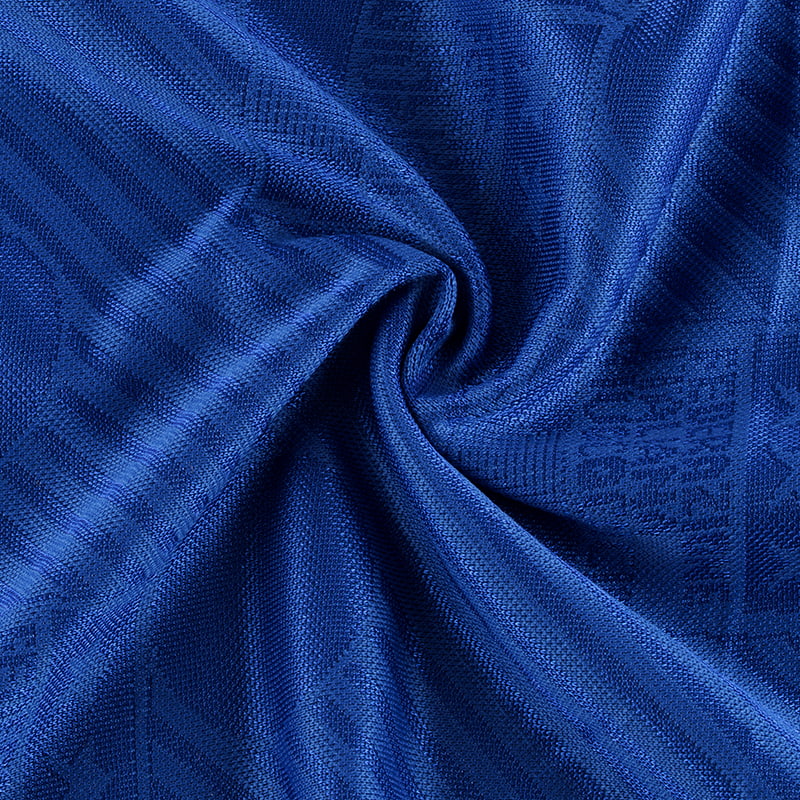
You can identify jacquard fabric by its woven-in pattern (not printed), its reversible design where the pattern appears in reverse on the back, and its slightly raised, textured surface created by the interlacing of multiple yarn colors or types. Unlike printed fabric, the design in jacquard is built directly into the weave structure using a specialized jacquard loom, so the pattern is visible and tactile on both sides of the cloth.
For care, most jacquard fabrics should be hand-washed or dry-cleaned in cold water, turned inside out, and air-dried flat to protect the raised weave from friction damage and color bleeding. Machine washing on a delicate cycle is acceptable for sturdier cotton or polyester-blend jacquards, but silk and rayon jacquards generally require professional cleaning. The rest of this guide walks through the specific identification tests and care steps for different jacquard fiber types.
What Makes Jacquard Fabric Different
Jacquard fabric is named after the Jacquard loom, invented in 1804 by Joseph Marie Jacquard, which uses a punch-card (and later digital) system to control individual warp threads. This allows weavers to create complex, repeating patterns directly within the fabric structure, rather than adding a design after the fact through printing or embroidery.
Because the pattern is woven rather than surface-applied, jacquard fabric tends to be heavier and more durable than printed alternatives. Common jacquard weaves include damask, brocade, and matelassé, each varying in pattern complexity and yarn density.
Four Ways to Identify Jacquard Fabric
If you're unsure whether a piece of fabric is genuine jacquard, these four checks will give you a reliable answer.
1. Check the Reverse Side
Flip the fabric over. Genuine jacquard shows a mirrored or negative version of the front pattern on the back, often in slightly muted colors. Printed fabric, by contrast, usually shows little to no pattern on the reverse — just plain, undyed fabric or a faint shadow of the print.
2. Feel for Texture
Run your fingers across the surface. Jacquard fabric has a slightly raised or embossed feel where the pattern sits, because the weave structure itself changes to form the design. Printed fabric feels flat and uniform regardless of the pattern shown.
3. Hold It Up to Light
Hold the fabric up to a light source. Jacquard weaves often show subtle variations in density and translucency corresponding to the pattern, since different areas use different thread counts or float lengths. This effect is especially visible in damask jacquards.
4. Check the Fiber Content Label
While not definitive on its own, jacquard fabrics are commonly made from silk, cotton, polyester, rayon, or wool blends. If the label lists a jacquard weave alongside one of these fibers, combined with the visual and tactile checks above, you can be confident in the identification.
Common Types of Jacquard Fabric
Not all jacquard fabric is the same — the fiber and weave density affect both appearance and care requirements. The table below outlines the most common types.
| Type | Common Fiber | Typical Use |
|---|---|---|
| Damask | Silk, cotton, linen | Tablecloths, drapery |
| Brocade | Silk, metallic yarn blends | Formal wear, upholstery |
| Matelassé | Cotton, polyester blends | Bedspreads, quilted jackets |
| Knit jacquard | Cotton, wool, acrylic | Sweaters, knitwear |
Silk and metallic-thread brocades are the most delicate and typically require professional cleaning, while cotton and polyester matelassé jacquards can generally withstand gentle home washing.
Washing Jacquard Fabric at Home
Follow these steps when washing jacquard fabric that is labeled machine- or hand-washable.
- Turn the garment or textile inside out to protect the raised pattern from abrasion.
- Use cold water, ideally below 30°C (86°F), to prevent shrinkage and color bleeding.
- Choose a gentle or delicate cycle, or hand wash using mild, pH-neutral detergent.
- Avoid wringing or twisting; instead, press out excess water gently.
- Lay flat to dry on a clean towel, reshaping the fabric as needed while damp.
Hot water and high-speed spin cycles are the leading causes of jacquard pattern distortion, since heat and agitation can loosen the float threads that form the design, leading to puckering or pattern flattening over time.
When to Choose Dry Cleaning
Some jacquard fabrics should never go near a washing machine. Dry cleaning is strongly recommended in the following cases:
- Fabric contains silk, viscose, or rayon fibers, which weaken significantly when wet
- The piece includes metallic or lurex threads that can tarnish or fray with water exposure
- The garment has structured tailoring, such as a jacquard blazer with interfacing or padding
- The care label explicitly states "Dry Clean Only"
Professional dry cleaning typically costs $8 to $25 per garment depending on size and complexity, which is a worthwhile investment compared to the cost of replacing a damaged silk or brocade jacquard piece.
Ironing and Pressing Tips
Jacquard's raised pattern makes it vulnerable to flattening under direct heat, so pressing requires extra care.
- Iron on the reverse side whenever possible to protect the front pattern
- Use a pressing cloth between the iron and fabric to prevent shine or scorch marks
- Set the iron to a low-to-medium heat setting appropriate for the base fiber
- Use steam rather than direct pressure to relax wrinkles without crushing the weave
Direct high-heat ironing can permanently flatten jacquard's woven texture, reducing the dimensional effect that distinguishes it from printed fabric — a mistake that cannot be reversed once it happens.
Storage Best Practices
Proper storage extends the life of jacquard fabric between uses.
- Hang jacquard garments on padded hangers to avoid creasing the raised pattern.
- Store heavier pieces, like brocade coats, folded with acid-free tissue paper to prevent permanent fold lines.
- Keep jacquard textiles away from direct sunlight, which can fade the contrast between pattern and background.
- Use breathable garment bags rather than plastic covers to prevent moisture buildup and mildew.
With proper identification and care, jacquard fabric can remain structurally intact and visually vibrant for decades — antique damask textiles over 100 years old are still displayed in museum textile collections today, a testament to how well this weave holds up when handled correctly.