

 English
  中文简体
中文简体  русский
  Español
  عربى
عربى 
Content
Direct Answer: What's the Core Difference?
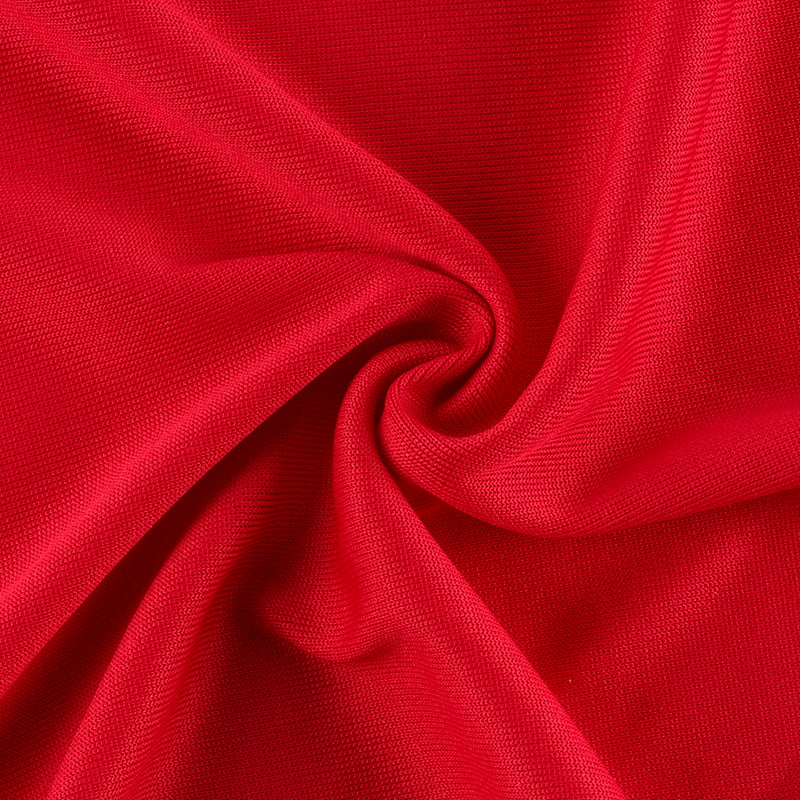
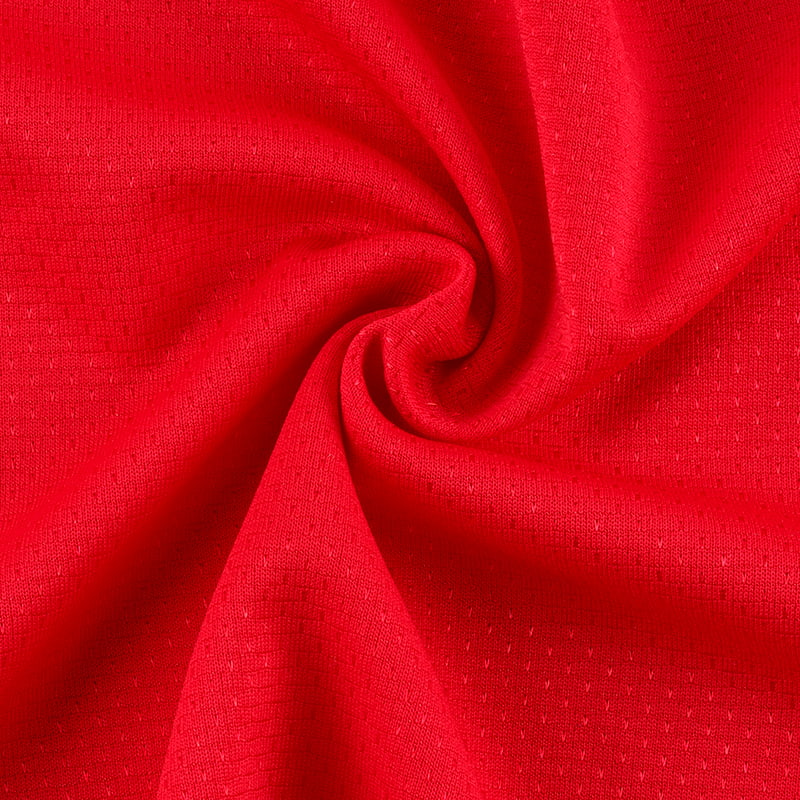
Flat fabric has a smooth, even surface with no raised patterns, while textured fabric has a surface with visible depth, ridges, or irregularities created through weaving, knitting, or finishing techniques. Flat fabrics like poplin, satin, and jersey are typically lighter, easier to sew, and better suited for garments requiring a clean drape, such as dress shirts or lining. Textured fabrics like corduroy, tweed, and bouclé offer more visual interest, better insulation, and a distinctive tactile feel, making them ideal for outerwear, upholstery, and statement pieces.
If you need a quick decision: choose flat fabric for tailored garments, activewear, and warm-weather clothing where a smooth silhouette matters. Choose textured fabric for cold-weather wear, home décor, or designs where surface interest is the main selling point. The rest of this guide breaks down the technical, practical, and cost differences so you can make an informed choice for your specific project.
How Flat and Textured Fabrics Are Made
The difference between flat and textured fabric starts at the loom or knitting machine, not at the finishing stage. Understanding the production method explains why these fabrics behave so differently once they're cut and sewn.
Flat Fabric Construction
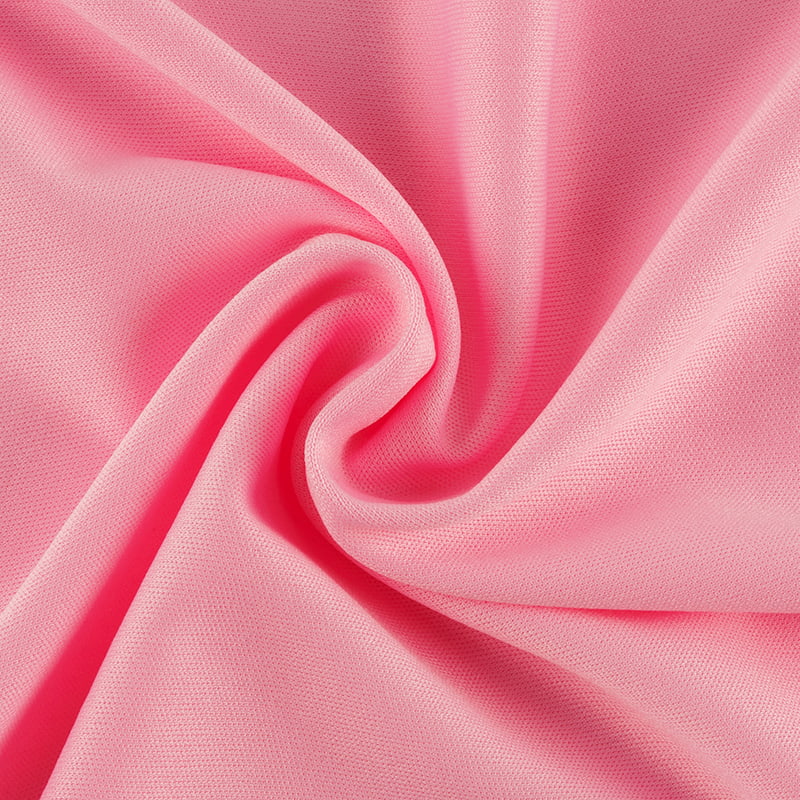
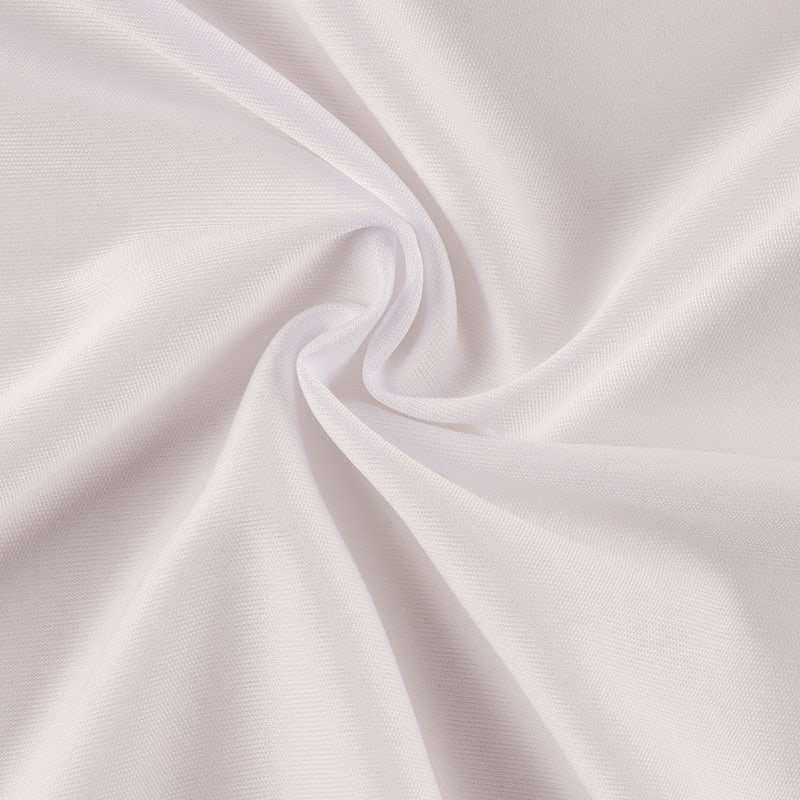
Flat fabrics generally use a plain weave or simple knit structure, where warp and weft yarns interlace in a straightforward over-under pattern. This produces a consistent, low-profile surface. Common examples include poplin, chiffon, jersey knit, and taffeta. Because the yarns lie close together in a uniform pattern, the fabric surface reflects light evenly, which is why many flat fabrics — especially satin and sateen — appear glossy or smooth to the touch.
Textured Fabric Construction
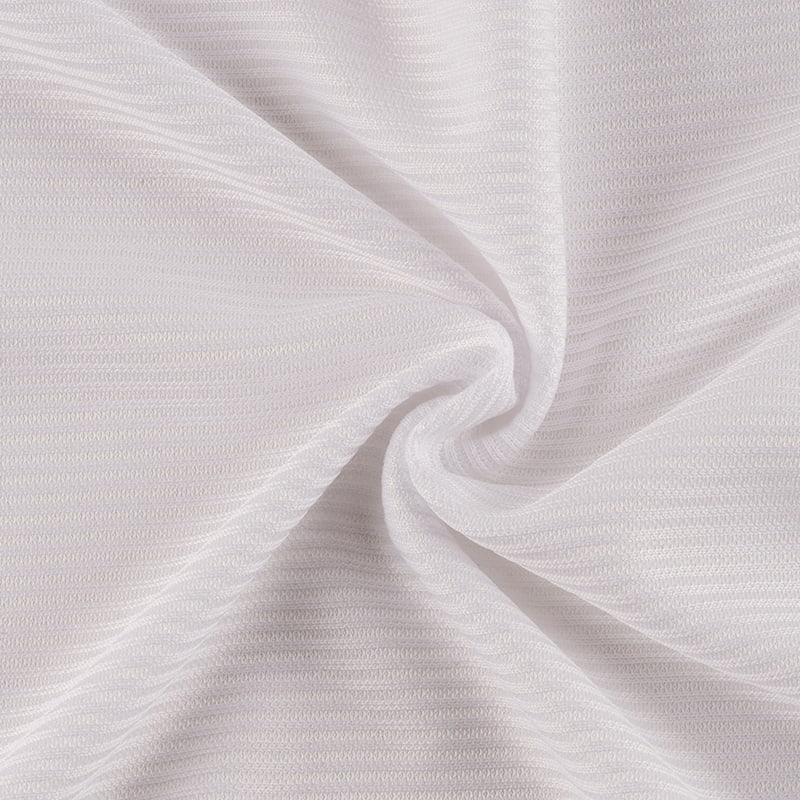
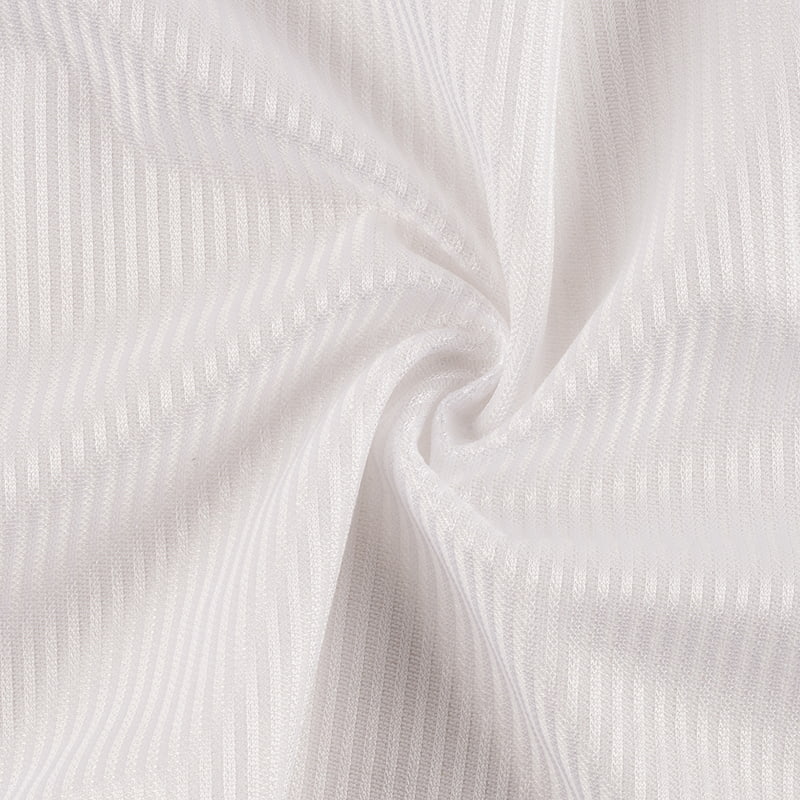
Textured fabrics are produced using more complex weaving or knitting techniques, such as pile weaves (corduroy, velvet), twill variations (tweed), or specialty yarns (bouclé, chenille). Some textures are added mechanically or chemically after weaving, through processes like embossing, brushing, or crinkling. These techniques introduce raised loops, ridges, or irregular yarn thickness, which scatter light unevenly and create the visual depth associated with textured materials.
Key Property Comparison
The table below summarizes how flat and textured fabrics compare across the properties that matter most for sewing, styling, and durability decisions.
| Property | Flat Fabric | Textured Fabric |
|---|---|---|
| Surface feel | Smooth, even | Raised, uneven |
| Typical weight | 80-180 gsm | 200-450 gsm |
| Drape | Fluid, clings to shape | Structured, holds form |
| Insulation | Lower | Higher |
| Sewing difficulty | Easy to moderate | Moderate to advanced |
| Wrinkle resistance | Varies, often lower | Generally higher |
As the table shows, textured fabrics typically weigh more than twice as much as flat fabrics of comparable fiber content, which directly affects garment warmth, structure, and shipping cost for manufacturers.
Best Uses for Flat Fabric
Flat fabrics excel in applications where a clean line, lightweight feel, or precise print reproduction is the priority. Common use cases include:
- Dress shirts and blouses (poplin, broadcloth)
- Summer dresses and linings (chiffon, crepe de chine)
- Activewear and base layers (flat-knit jersey)
- Bedding and flat sheets (percale, sateen)
- Printed textiles, since a smooth surface reproduces graphics with sharper detail
A key advantage of flat fabric is efficiency in cutting and sewing: because the surface has no nap or directional texture, pattern pieces can often be laid in either direction, reducing fabric waste by an estimated 5-10% compared to napped or heavily textured materials.
Best Uses for Textured Fabric
Textured fabrics are chosen when visual depth, tactile interest, or added warmth matters more than a sleek finish. Typical applications include:
- Coats and outerwear (tweed, boucle, melton wool)
- Upholstery and cushions (chenille, corduroy)
- Statement fashion pieces (velvet, jacquard)
- Winter accessories (waffle knit, brushed fleece)
- Rustic or artisanal home décor (linen-blend slubs, tweed throws)
Because textured weaves trap more air within their raised fibers, they generally offer noticeably better thermal insulation than flat fabrics of the same weight, which is why wool tweed and corduroy remain staples of cold-weather clothing despite the growth of performance synthetics.
Cost and Sourcing Considerations
Price is often the deciding factor for buyers and manufacturers weighing flat versus textured options.
Flat Fabric Pricing
Basic flat fabrics like poplin or plain-weave cotton are among the most economical textiles to produce because they require simpler looms, fewer processing steps, and less yarn per square meter. Wholesale prices for standard cotton poplin often fall in the $2-$6 per yard range, depending on thread count and fiber quality.
Textured Fabric Pricing
Textured fabrics cost more due to specialized looms, slower production speeds, and higher yarn consumption. Wool tweed or bouclé can range from $15 to $40+ per yard, and premium jacquards or velvets can exceed that significantly. Buyers sourcing at scale should also factor in that textured fabrics often require directional cutting (nap layout), which increases fabric consumption by roughly 10-15% per garment compared to flat fabric layouts.
Care and Maintenance Differences
Surface structure also determines how a fabric should be cleaned and stored.
- Flat fabrics are generally machine-washable and quick-drying, since their smooth surfaces don't trap moisture or debris.
- Textured fabrics often require gentler care — hand washing, dry cleaning, or cold cycles — because raised fibers can flatten, pill, or snag under agitation.
- Ironing flat fabric is straightforward and low-risk, while textured fabric usually needs a pressing cloth or steam-only approach to avoid crushing the pile or pattern.
- Storage also differs: textured garments benefit from hanging rather than folding, which prevents permanent creasing of raised surfaces.
Fabrics with a pronounced pile, such as corduroy or velvet, can lose up to 15-20% of their surface loft after repeated improper washing, which is a major reason care labels for textured materials tend to be more restrictive than those for flat fabrics.
Quick Decision Checklist
Use this checklist to decide which fabric type fits your next project:
- Need a smooth, tailored silhouette? → Choose flat fabric
- Sewing on a budget or working with beginners? → Choose flat fabric
- Designing for cold weather or added warmth? → Choose textured fabric
- Want visual and tactile interest as a design feature? → Choose textured fabric
- Printing detailed graphics or logos? → Choose flat fabric
- Building durable upholstery or outerwear? → Choose textured fabric
In most cases, the choice isn't about which fabric type is "better" overall — it's about matching the fabric's inherent properties to the functional and aesthetic goals of the project. Many professional wardrobes and interior designs use both fabric types together, pairing a flat-fabric base layer with a textured outer layer to balance comfort, style, and durability.