

 English
 中文简体
 русский
 Español
 عربى

Content
Let's say you run a small apparel brand and you've just placed your first bulk order: 500 meters of a double-sided flat fabric for a T-shirt line. The sample looked perfect, the quote was within budget, and the supplier promised a two-week turnaround. But when the cartons arrive, the fabric feels heavier than the sample, the shade shifts from roll to roll, and the width varies by nearly two centimeters. That order is now a problem that belongs to you, not the supplier. If you are learning how to buy fabric wholesale, the first thing to understand is that purchasing fabric in bulk is a supply chain decision, not a shopping decision. The goal is not to find the lowest price per meter. It's to find a manufacturer who can meet your specifications, respect your timeline, and maintain consistent quality across repeated orders.
Start with What Your Garment Needs
Before you ask for a quote, write down what the fabric must do. A T-shirt needs a soft, stable, double-sided flat fabric with predictable shrinkage and a comfortable hand. A basketball jersey needs breathable mesh that wicks moisture. A team jacket may call for a jacquard fabric with a bold pattern. A pair of sports pants might benefit from warp knit fabric that holds its shape. The construction determines which supplier can actually produce it, since a mesh specialist may not have the right machines for jacquard, and a flat fabric mill may not be set up for warp knitting. In practical terms, you should specify: fiber content, construction (single vs. double-sided), weight in grams per square meter, width, color fastness, shrinkage tolerance, and any functional finish such as antibacterial or UV protection. If your T-shirt line will sell all year, the fabric's weight and stability matter more than its initial look.
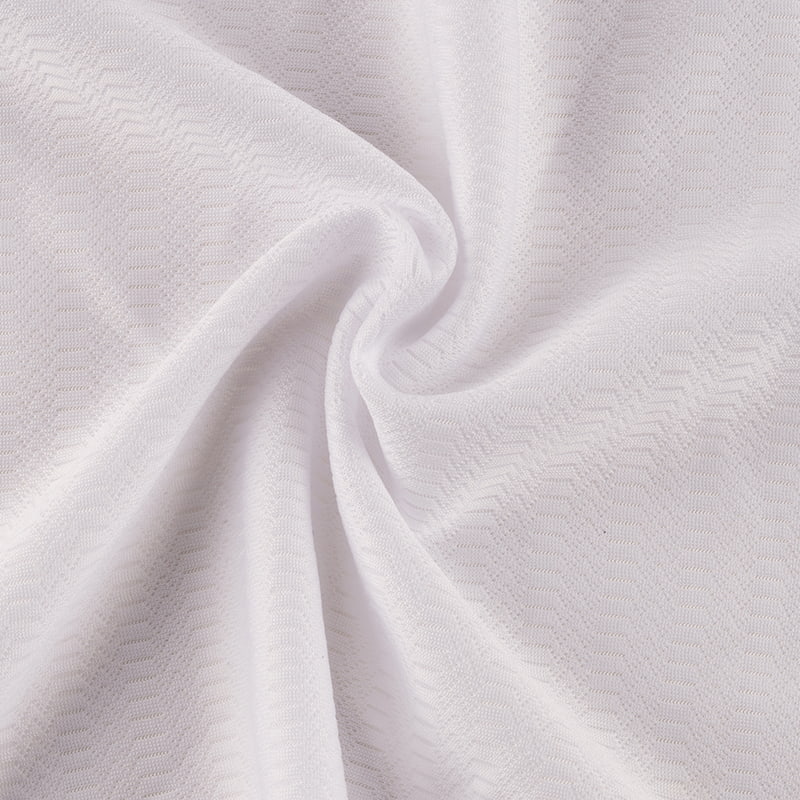
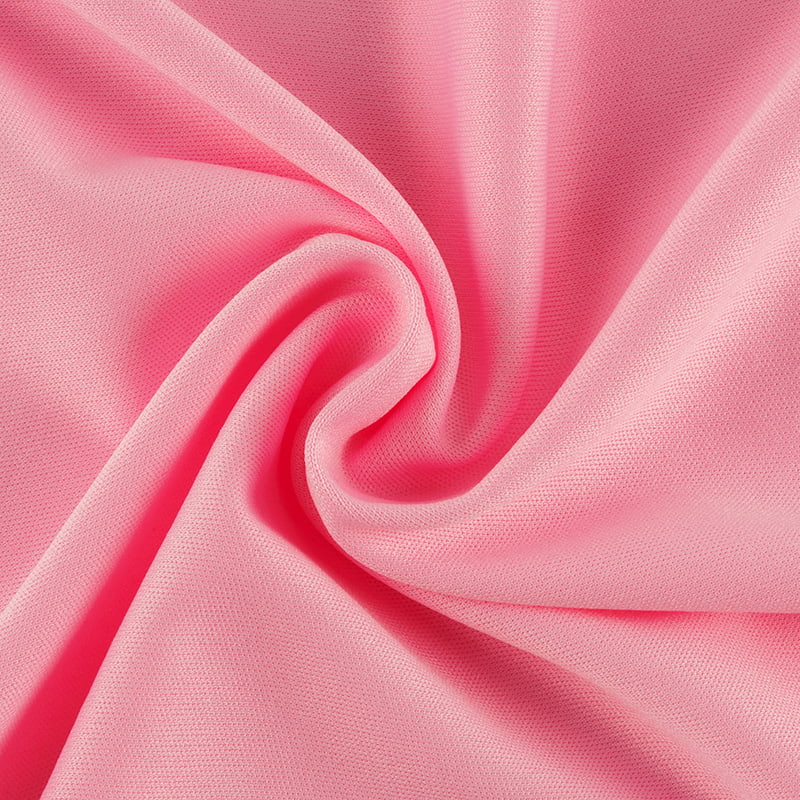
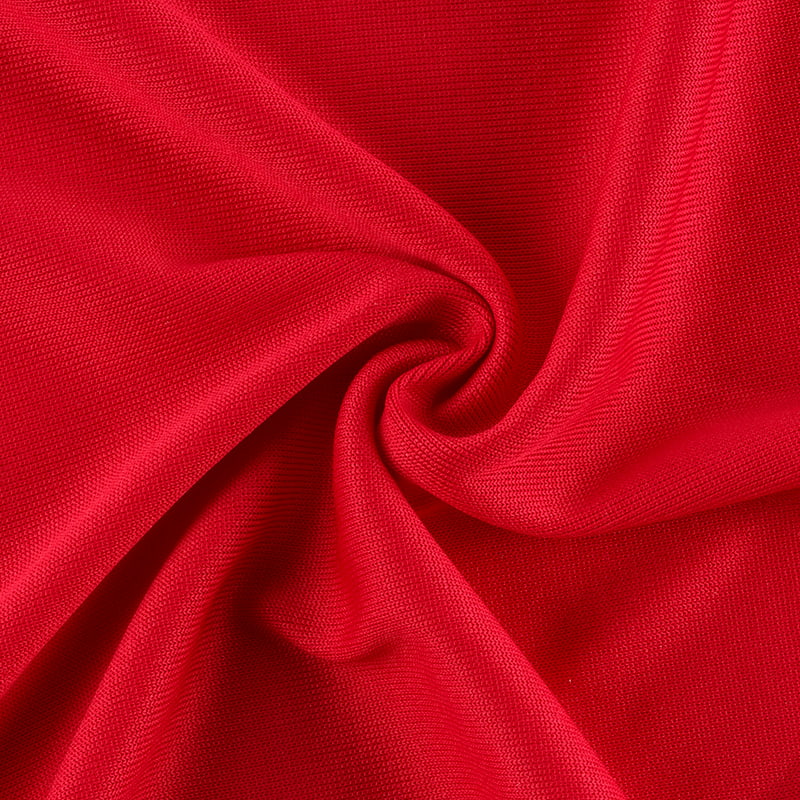
 75D/72F Double-Sided Flat Fabric for T-ShirtsThis double-sided flat fabric offers strength, breathability, and wrinkle resistance, making it a practical choice for durable everyday T-shirts. Its consistent texture on both sides ensures a uniform look and comfortable feel.View Product →
How to Vet a Wholesale Fabric Supplier
Once you have a clear spec, the next question is whether the manufacturer can actually produce it at scale. A supplier who relies on subcontractors for most of the work will struggle to control quality, especially when you need consistent dye lots or a custom construction. Look for evidence of in-house production. A textile manufacturer that owns its knitting machines, dyeing capacity, and finishing lines can respond to problems faster and take responsibility for the finished product. The company's scale matters too. A factory with dozens of circular knitting machines and multiple production lines is prepared for both small custom runs and larger repeat orders. It also suggests the supplier buys raw yarn directly and has established relationships with fiber suppliers, which translates into better traceability. Ask about their machine types, the range of constructions they handle, and how they manage raw material sourcing. A supplier that works with cotton, polyester, and functional fibers across multiple categories is often more flexible than a one-purpose mill. Understanding the difference between single-sided and double-sided fabric construction will help you ask better questions during supplier conversations.
| Area | What to check | Red flag |
|---|---|---|
| Production equipment | Knitting machines, finishing lines, capacity | Factory owns few machines and outsources most work |
| Raw material sourcing | Relationship with yarn or fiber suppliers | Cannot name or trace the source of materials |
| Quality control | Inspection process, lab testing, tolerance standards | No documented QC procedure before shipment |
| Customization | Color matching, printing, functional finishing | Samples require long lead times or fail repeatedly |
Samples, MOQs, and Custom Work
No serious wholesale fabric purchase starts with a full order. It starts with a sample. A supplier should be willing to send a physical sample or a lab dip before you commit to a bulk quantity. The minimum order quantity (MOQ) is the next decision point. Some factories set high MOQs because switching production from one fabric to another has real costs. Others, especially manufacturers with flexible scheduling, can accommodate smaller custom runs for early-stage brands. Customization is another issue. Bulk fabric is rarely used exactly as it comes off the loom. You may need specific colors, printed patterns, a particular backing, or a functional finish such as quick-dry or antibacterial treatment. A manufacturer that offers dyeing, printing, and finishing in-house can manage these requirements in one place, which shortens lead times and reduces the risk of quality gaps between processing stages.
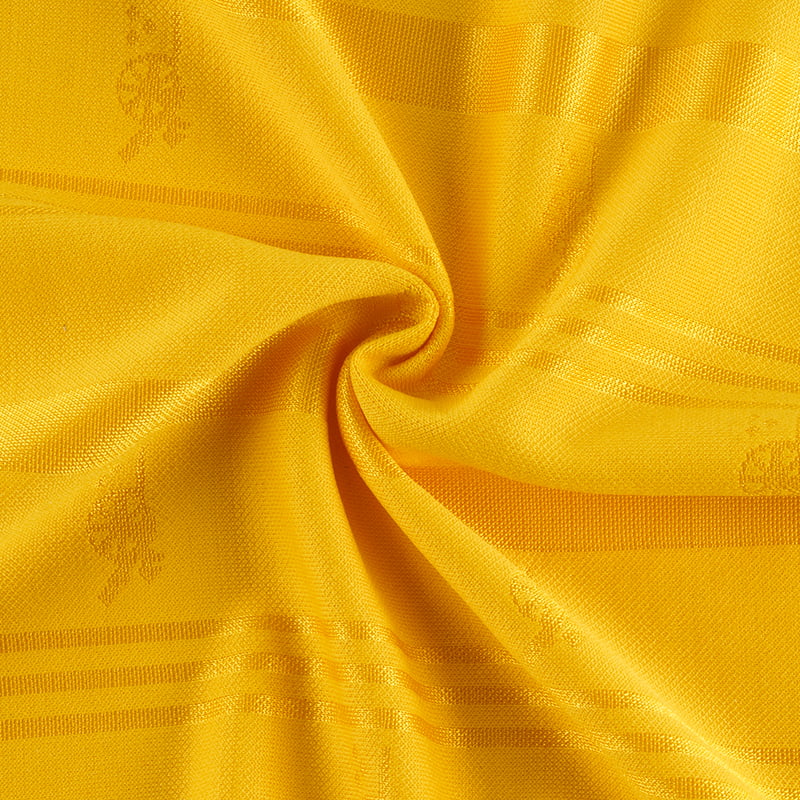
 Double-Sided Jacquard Fabric for Sports ApparelFeaturing a reversible design with dynamic graphics, this fabric combines breathability, moisture-wicking, and elasticity, supporting comfortable movement in athletic wear. Its durability suits high-performance garments.View Product →
The Right Price: What Influences Wholesale Fabric Cost
Price per meter can look simple, but it is rarely comparable across different suppliers. You need to understand what is included in the quote. The fabric weight, width, construction, dyeing method, finishing, and order volume all influence the final price. A 200gsm fabric costs more than a 160gsm version of the same construction, because it uses more yarn. A narrow width can be cheaper per meter but more expensive per usable square meter, because you will lose more to cutting. A custom color batch costs more than a standard shade, and a functional finish such as moisture wicking adds processing time and labor. When you compare two wholesale fabric quotes, ask each supplier for the same details: fiber content, gsm, usable width, color fastness rating, shrinkage tolerance, and delivery terms. Then convert the price into cost per garment, not cost per meter. Sometimes the slightly more expensive fabric reduces waste and sewing issues enough to lower your total production cost. Mesh fabrics are one of the most useful constructions for activewear, and the double-sided varieties in particular offer a stable structure that holds up well in sports garments.
When Functionality Matters
Some wholesale fabric purchases are straightforward. Others require a functional guarantee. If your products include sportswear, team uniforms, children's clothing, or outdoor gear, the fabric must not only look right but also perform. Breathable mesh, sweat-wicking knit, quick-dry fabric, and even antibacterial or UV-resistant finishes can make a garment worth buying. In those cases, the fabric spec becomes part of the product story. Ask the supplier whether the functional properties are inherent to the fiber or achieved through a finish, and how many washes the finish can withstand. A supplier who can explain the performance standard is more useful than one who only repeats the marketing terms. For activewear, the fabric's ability to manage moisture and air circulation often matters more than its decorative pattern.
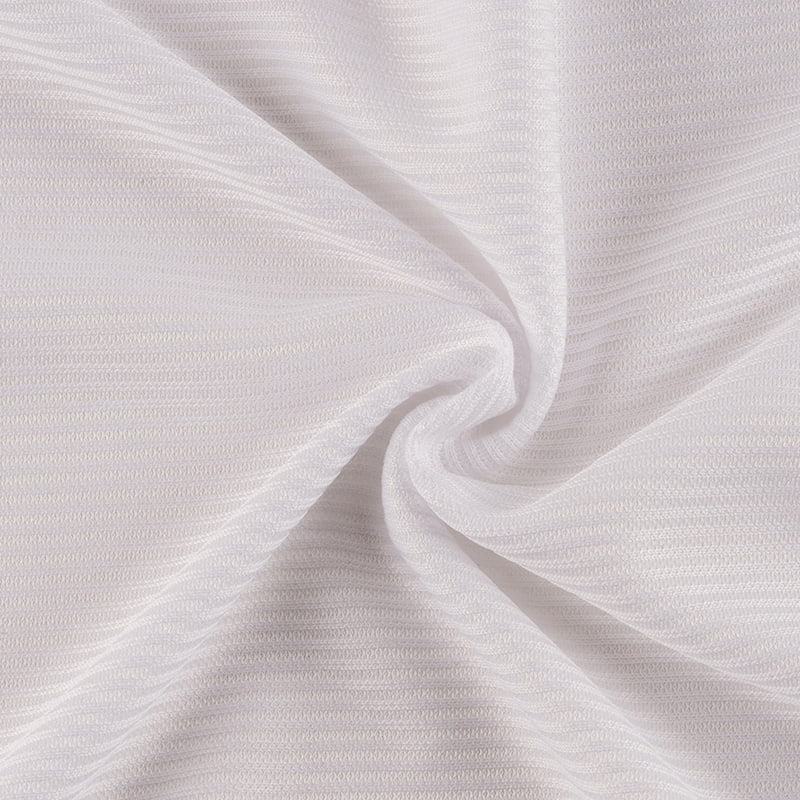
 Breathable Double-Sided Mesh Fabric for ActivewearWith a double-sided mesh construction, this fabric enhances airflow and temperature regulation, ideal for summer clothing and sports. It balances softness, durability, and tear resistance for versatile use.View Product →
The Bottom Line for Bulk Fabric Buyers
Buying fabric wholesale is not a one-time deal. It is a working relationship with a manufacturer who supplies the raw material for your product. The best way to approach it is to write a clear specification, evaluate the supplier's actual production capacity, confirm the sample and MOQ before ordering, compare quotes on the same basis, and inspect the delivery before you start cutting. A reliable wholesale partner can save you more money over time than a lower price ever will.