

 English
  中文简体
中文简体  русский
  Español
  عربى
عربى 
Content
The Short Answer: How to Pick the Right Mesh Fabric
If you need a quick answer: match the mesh type to its primary function first, then check denier (thickness) and hole density second. For breathable apparel and sportswear, polyester mesh with a denier of 40-100 is the standard choice. For furniture and office chairs, a higher-tension knit mesh rated for at least 250 lbs of support is essential. For bags, screens, and outdoor gear, nylon mesh in the 210-420 denier range offers the best balance of strength and flexibility. Getting the fabric-to-application match right matters more than any single spec, since a mesh designed for airflow in a t-shirt will fail quickly if used for structural seating, and vice versa.
Below, we break down the main mesh types, their best applications, how to evaluate quality before buying, and the common mistakes that lead to premature tearing or sagging.
What Is Mesh Fabric and How It's Made
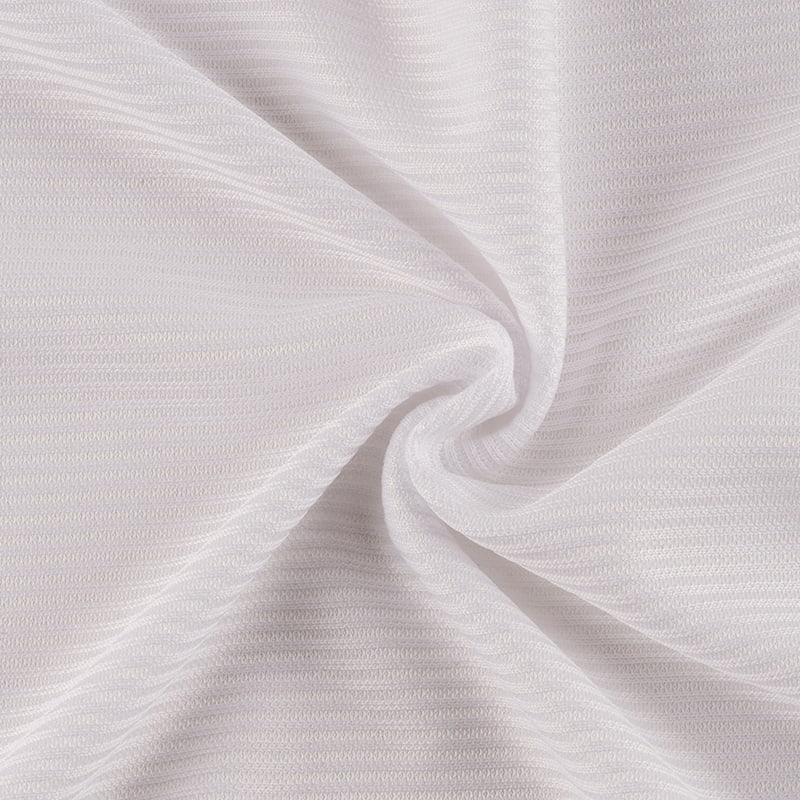
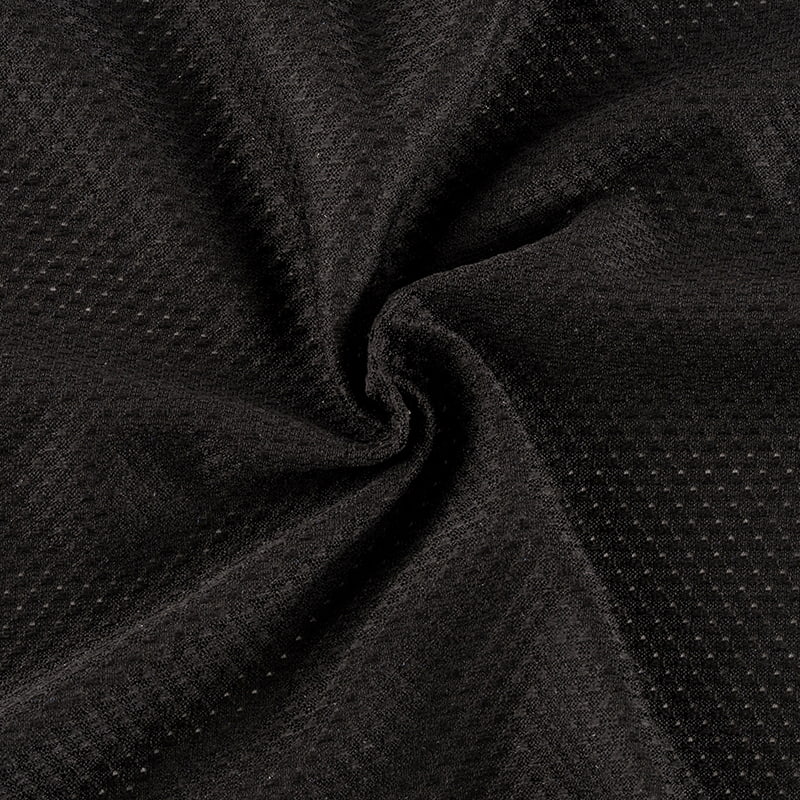
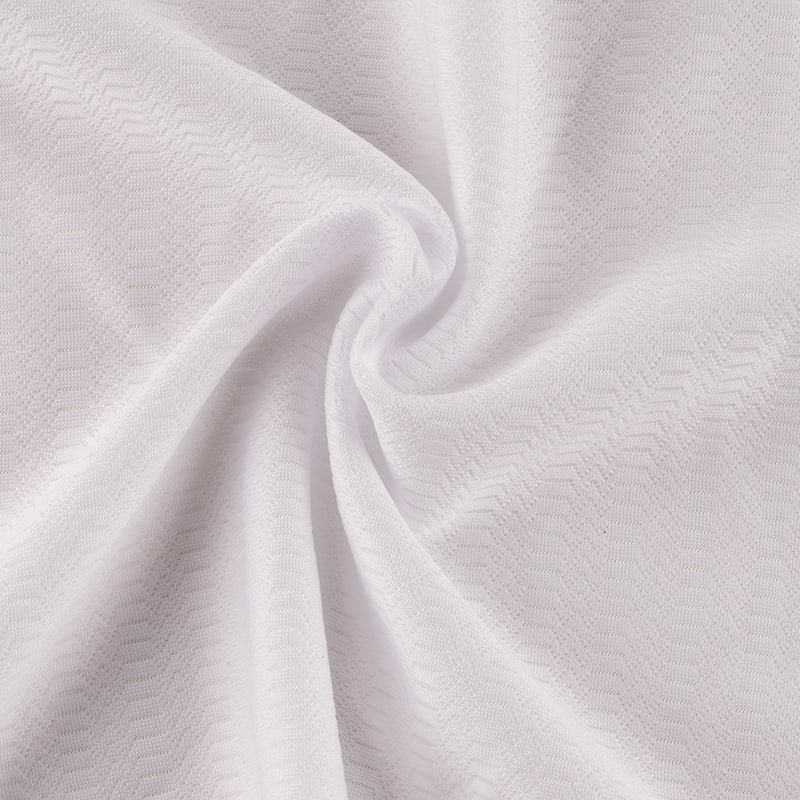
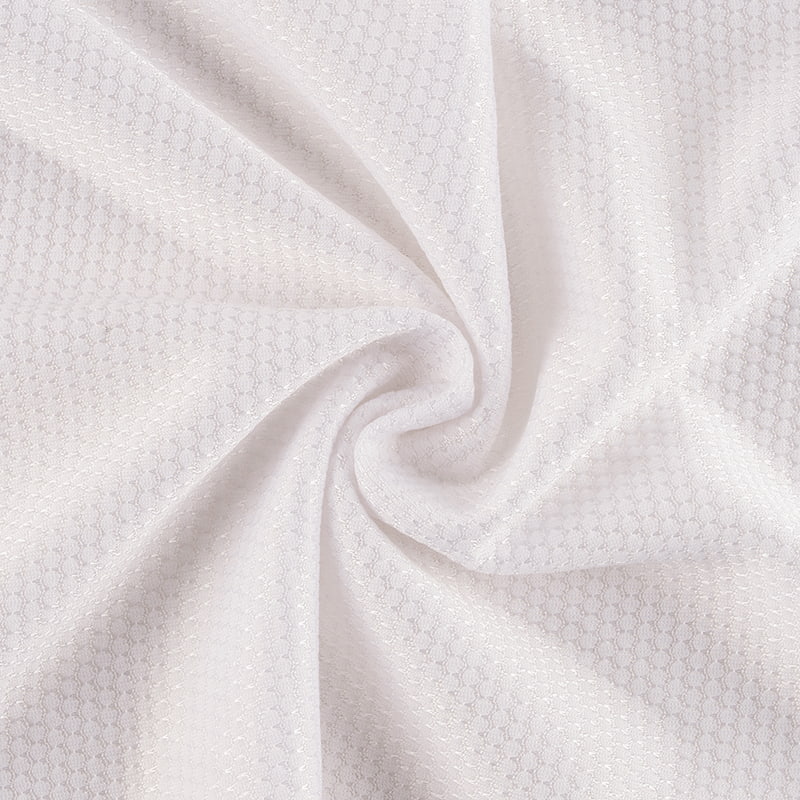
Mesh fabric is a textile constructed with an open, net-like structure, created by knitting or weaving yarns in a way that leaves regular gaps between them. This structure is what gives mesh its defining characteristics: breathability, light weight, and flexibility, compared to tightly woven solid fabrics. The size and shape of the gaps — often called the "hole density" — directly affects how much airflow the fabric allows and how much structural support it can provide, which is why mesh is engineered very differently depending on its intended use.
Main Types of Mesh Fabric
Not all mesh is created equal. Understanding the core types helps you avoid buying a fabric that looks similar but performs completely differently than what you need.
Polyester Mesh
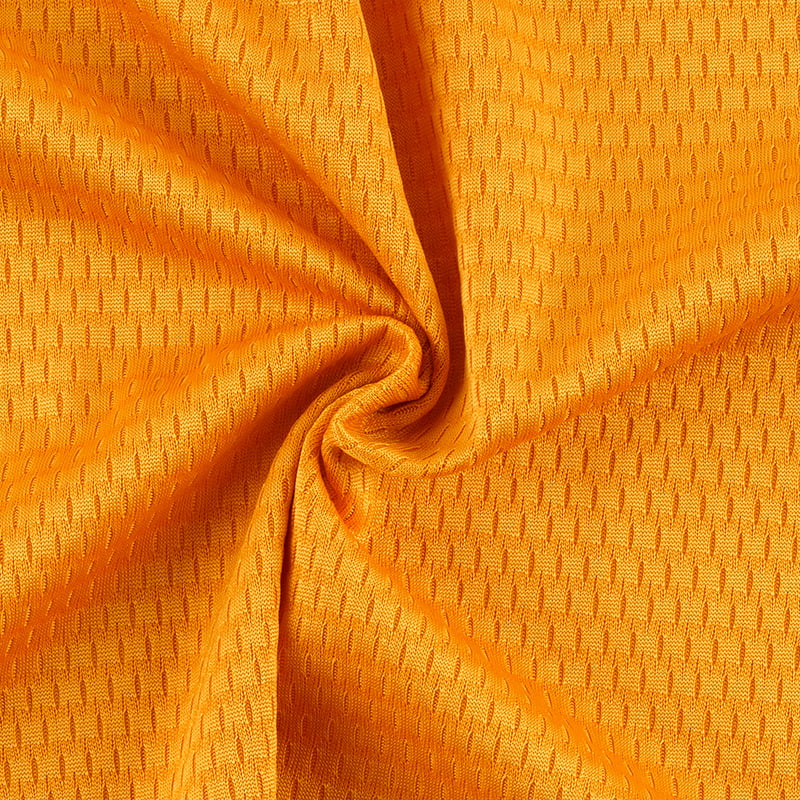
The most common mesh type overall, valued for being lightweight, quick-drying, and resistant to shrinking or wrinkling. It's the standard choice for athletic wear, linings, and ventilation panels, typically available in a 40-150 denier range depending on how much durability versus airflow is needed.
Nylon Mesh
Stronger and more abrasion-resistant than polyester mesh, nylon is the preferred option for bags, backpack panels, laundry bags, and outdoor gear that needs to withstand repeated stress and friction. It typically runs in the 70-420 denier range, with higher numbers indicating heavier-duty applications like tactical or travel gear.
Spandex/Elastane Blend Mesh
Blending mesh with 5-20% spandex adds stretch, which is essential for form-fitting activewear, compression garments, and swimwear panels. This blend sacrifices a small amount of durability for significantly improved comfort and range of motion.
Knitted Structural Mesh (Furniture-Grade)
Used in office chairs and ergonomic seating, this mesh is engineered with much higher tensile strength than apparel mesh, often rated to support 250-350 lbs of continuous weight without stretching out of shape. It's typically a tighter knit with less airflow than sportswear mesh, prioritizing structural integrity over maximum breathability.
Fiberglass and Metal Mesh
Used for window and door screens, these mesh types prioritize rigidity and pest resistance over softness or flexibility. Fiberglass mesh is the residential standard due to its rust resistance and low cost, while aluminum or stainless steel mesh is used where higher durability against pets, weather, or security concerns is needed.
Common Uses of Mesh Fabric
Mesh fabric's versatility comes from tuning its density, material, and stretch for very different end goals. Here's how the main applications differ in what they prioritize.
- Sportswear and activewear: Prioritizes maximum breathability and moisture-wicking to manage sweat during exercise.
- Office chairs and furniture: Prioritizes tensile strength and long-term shape retention under sustained body weight.
- Bags and backpacks: Prioritizes abrasion resistance for panels that see frequent friction and handling.
- Window and door screens: Prioritizes rigidity, UV resistance, and pest-blocking hole size (typically 18x16 mesh count for standard insect screens).
- Fashion and lingerie: Prioritizes a fine, soft hole pattern for aesthetic sheerness rather than heavy-duty airflow or strength.
- Automotive interiors: Prioritizes heat resistance and durability under prolonged sun exposure and temperature swings.
Key Buying Factors: What Specs Actually Matter
Mesh fabric listings often include technical specs that aren't self-explanatory. Here's what to actually pay attention to.
Denier (Thickness and Strength)
Denier measures the thickness of the individual fibers, and generally correlates with strength and durability. Lower denier (20-70) means a lighter, more breathable fabric suited to apparel; higher denier (150-420+) means a heavier, more abrasion-resistant fabric suited to bags and outdoor gear.
Mesh Count or Hole Density
This refers to how many openings exist per inch of fabric. A higher mesh count (finer holes) provides better pest protection or a smoother appearance, while a lower mesh count (larger holes) maximizes airflow. For insect screens specifically, an 18x16 count is the standard baseline recommended by most manufacturers.
Stretch and Recovery
For apparel and upholstery, check whether the mesh returns to its original shape after stretching (recovery), rather than staying permanently loose. Poor recovery is one of the most common complaints in budget mesh products, particularly with chair upholstery that sags after just a few months of regular use.
UV and Weather Resistance
For outdoor applications like screens, patio furniture, or automotive use, look specifically for UV-treated or UV-stabilized mesh. Untreated mesh can become brittle and prone to cracking after as little as 6-12 months of consistent sun exposure.
Mesh Fabric Comparison by Application
The table below summarizes recommended mesh types and key specs across the most common use cases.
| Application | Recommended Material | Typical Denier/Rating | Priority Feature |
|---|---|---|---|
| Sportswear | Polyester | 40-100D | Breathability |
| Office chairs | Knitted structural mesh | 250-350 lb support | Tensile strength |
| Bags/backpacks | Nylon | 210-420D | Abrasion resistance |
| Window screens | Fiberglass | 18x16 mesh count | Pest resistance |
| Swimwear/activewear | Spandex/elastane blend | 5-20% stretch content | Flexibility |
Common Mistakes to Avoid
- Using apparel-grade mesh for furniture or structural applications, leading to sagging or tearing within months.
- Choosing untreated mesh for outdoor use, resulting in UV damage and brittleness much sooner than expected.
- Ignoring mesh count for insect screens, leading to gaps too large to keep out smaller pests like gnats.
- Overlooking stretch recovery specs for upholstery, resulting in a chair or cushion that loses its shape prematurely.
- Assuming all "breathable mesh" products offer equal airflow — hole density and weave tightness vary significantly between brands.
Care and Maintenance Tips
Most polyester and nylon mesh fabrics are machine washable on a gentle cycle with cold water, but should be air-dried rather than tumble-dried, since high heat can cause the fibers to shrink or lose elasticity over time. For furniture-grade mesh, spot cleaning with a damp cloth and mild soap is generally recommended over full submersion, since some structural mesh is bonded to a frame that shouldn't get wet. For outdoor mesh like screens, an annual rinse with a garden hose removes dust and debris buildup that can otherwise reduce airflow and accelerate wear at the frame edges.
There's no single "best" mesh fabric — the right choice depends entirely on matching material and denier to your specific application. For apparel, choose lightweight polyester (40-100D); for bags and outdoor gear, choose higher-denier nylon (210-420D); for furniture, choose a purpose-built structural knit rated for at least 250 lbs. Checking these application-specific specs before buying, rather than relying on general descriptions like "breathable" or "durable," is the most reliable way to avoid early tearing, sagging, or UV damage.