

 English
  中文简体
中文简体  русский
  Español
  عربى
عربى 
Content
- 1 What Is Mesh Fabric? A Clear Answer First
- 2 How Mesh Fabric Is Made: Weaving, Knitting, and Netting Explained
- 3 Types of Mesh Fabric: A Comprehensive Breakdown
- 4 Key Physical Properties of Mesh Fabric
- 5 Applications of Mesh Fabric Across Industries
- 6 Choosing the Right Mesh Fabric for Your Project
- 7 Mesh Fabric in Sportswear: A Deeper Look at Mesh Jerseys and Athletic Mesh
- 8 Sustainability and Eco-Friendly Mesh Fabric Options
- 9 How to Sew and Work With Mesh Fabric
- 10 Mesh Fabric Care: How to Wash, Dry, and Store It Correctly
- 11 Common Problems With Mesh Fabric and How to Solve Them
- 12 The Future of Mesh Fabric: Innovation and Market Trends
- 13 Mesh Fabric vs. Other Open-Weave Textiles: Key Differences
- 14 How to Buy Mesh Fabric: What to Look for When Sourcing
- 15 Real-World Examples: Mesh Fabric in Action
- 16 Frequently Asked Questions About Mesh Fabric
What Is Mesh Fabric? A Clear Answer First
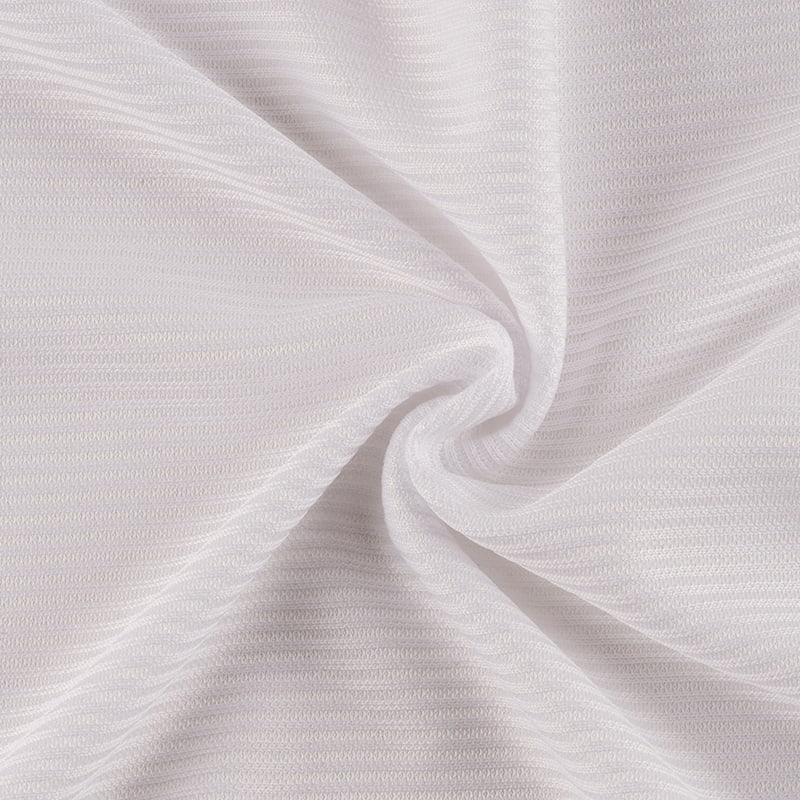
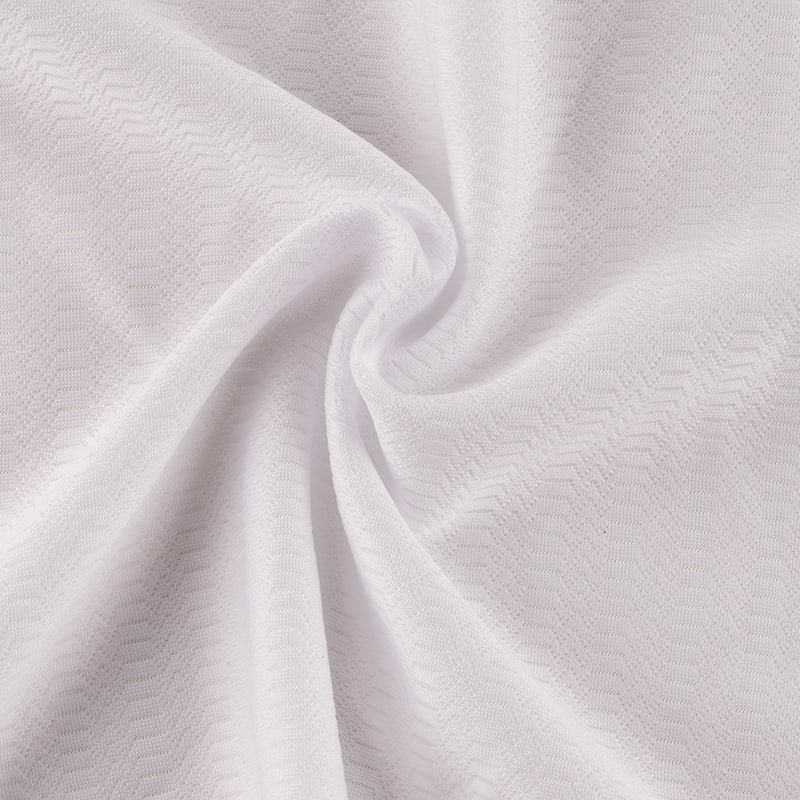
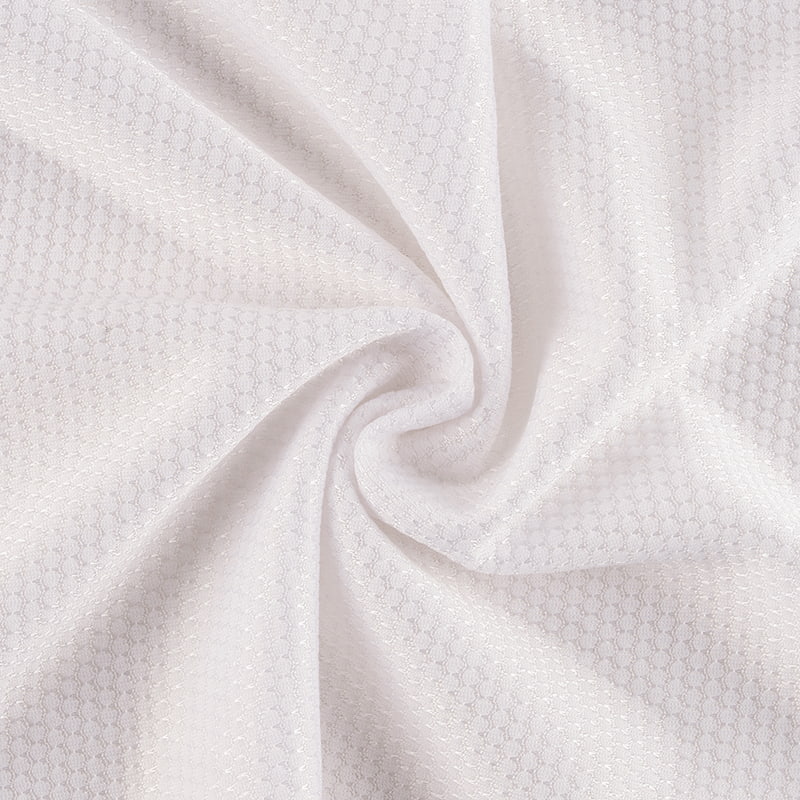
Mesh fabric is an open-weave or open-knit textile characterized by a network of interlocked fibers or yarns that form evenly spaced holes or pores throughout the material. Its defining feature is breathability — air, moisture, and light can pass through the structure freely, making it fundamentally different from solid woven fabrics like cotton or polyester twill.
In practical terms, mesh fabric is the go-to material whenever ventilation, lightweight construction, or see-through aesthetics are required. Whether you encounter it as the lining in your running shorts, the panel on a sports jersey, the filter in an industrial machine, or the delicate overlay of a fashion dress, you are looking at some form of mesh material. The global mesh fabric market was valued at USD 3.8 billion in 2025 and is projected to reach USD 8.2 billion by 2035, growing at a compound annual growth rate (CAGR) of 8.1% — a clear signal that this material is far from niche.
This guide covers every essential aspect of mesh fabric: its types and properties, how it is made, where it is used across industries, how different varieties compare, and exactly how to care for it so it lasts. If you are a buyer, designer, manufacturer, or curious consumer, you will leave with actionable knowledge.
How Mesh Fabric Is Made: Weaving, Knitting, and Netting Explained
Understanding how mesh fabric is constructed helps you instantly recognize why different meshes perform differently. There are three primary production methods:
Woven Mesh
Woven mesh is made on a loom by interlacing two perpendicular sets of yarns (warp and weft). The openings are created by spacing these yarns apart at regular intervals. The result is a stable, dimensionally consistent structure that does not stretch easily. Woven mesh is common in industrial applications such as filtration, sieving, and window screens, as well as in some fashion fabrics. Netting fabric — the type used in fishing nets, sports goals, and theatrical backdrops — is typically produced through a variant of weaving or knotting that produces larger, more uniform open squares.
Knitted Mesh
Knitted mesh is the dominant production method for apparel and sportswear. Yarns are looped together — either warp-knit or weft-knit — creating a fabric that inherently has stretch and recovery. This is why your athletic shirt conforms to your body without tearing. Knitted mesh accounts for 52.7% of the total mesh fabric market share, reflecting the enormous demand from the sportswear, activewear, and fashion sectors.
A critical subcategory of knitted mesh is power mesh fabric (also called power net). Power mesh is a four-way stretch knit with exceptional recovery — it stretches both lengthwise and crosswise and snaps back immediately to its original shape. This makes power mesh the material of choice for shapewear, compression garments, swimwear linings, dance costumes, and medical supports. A typical power mesh fabric specification includes 80% nylon + 20% spandex or 75% polyester + 25% spandex blends.
Net Fabric (Tulle and Bobbinet)
Net fabric refers to ultra-fine open-weave textiles including tulle, bobbinet, and illusion net, traditionally used in bridal wear, ballet tutus, and evening gowns. Net fabric is produced on specialist Leavers or Raschel machines that interlock yarns at precise angles to create hexagonal or diamond-shaped openings. The fineness is measured in denier (a single strand of silk is approximately 1 denier), and bridal net fabrics often range from 10 to 40 denier.
Types of Mesh Fabric: A Comprehensive Breakdown
Mesh fabric is not a single product — it is a category encompassing dozens of distinct materials. Here is a systematic overview of the most important types you will encounter.
| Mesh Type | Base Fiber | Stretch | Primary Use | Key Advantage |
|---|---|---|---|---|
| Power Mesh Fabric | Nylon/Spandex or Polyester/Spandex | 4-way | Shapewear, Compression, Swimwear | Maximum stretch recovery |
| Polyester Mesh Fabric | 100% Polyester | 2-way or minimal | Jerseys, Bags, Sportswear | Cost-effective, durable |
| Nylon Net | 100% Nylon | Minimal to moderate | Bridal, Lingerie, Industrial | Soft hand feel, strength |
| Black Mesh Fabric | Polyester or Nylon | Varies | Fashion, Lingerie, Outerwear | Versatile, opaque appearance |
| Poly Mesh Fabric | Polyester blend | 2-way | Bags, Packaging, Safety vests | Lightweight, abrasion resistant |
| Netting Fabric | Nylon, Polyester, or Cotton | None | Sports, Landscaping, Theater | Large openings, high tensile strength |
| Mesh Cloth (Athletic) | Polyester or Polyester/Spandex | 2 to 4-way | T-shirts, Shorts, Underlayers | Moisture-wicking, breathable |
Polyester Mesh and Poly Mesh Fabric
Polyester mesh fabric is the single most commercially significant variant, holding 45.3% of the mesh fabric market by product type. It is manufactured from polyethylene terephthalate (PET) fibers — the same base polymer used in plastic bottles, which explains why recycled polyester mesh is now a growing sustainability trend. Polyester mesh is inherently resistant to shrinkage, stretching out of shape, and most chemicals, making it ideal for applications ranging from athletic jerseys to industrial filtration.
Poly mesh fabric is a broader term that includes polyester-dominant blends, often incorporating a small percentage of spandex (2–8%) to introduce stretch. This category is heavily used in promotional sportswear, tote bags, mesh pockets on backpacks, and safety high-visibility vests.
Nylon Net and Its Unique Properties
Nylon net refers to fine-gauge open-weave fabrics made from nylon (polyamide) fibers. Unlike polyester, nylon has a naturally softer, silkier hand feel and superior abrasion resistance. Nylon net is the preferred choice for bridal veils, ballet tutus, lingerie trims, and undergarments because of this tactile quality. It is also significantly more resistant to UV degradation than untreated polyester, though prolonged sun exposure will eventually yellow white nylon fabrics. Nylon net is available in weights ranging from as light as 15 g/m² for bridal illusion to over 100 g/m² for industrial screening.
Black Mesh Fabric: The Fashion Staple
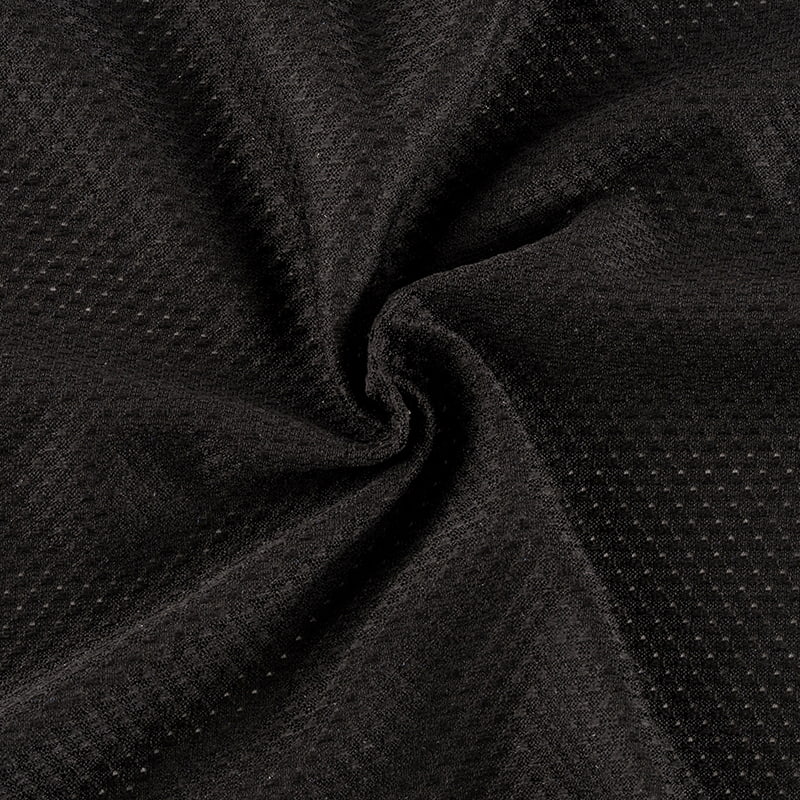
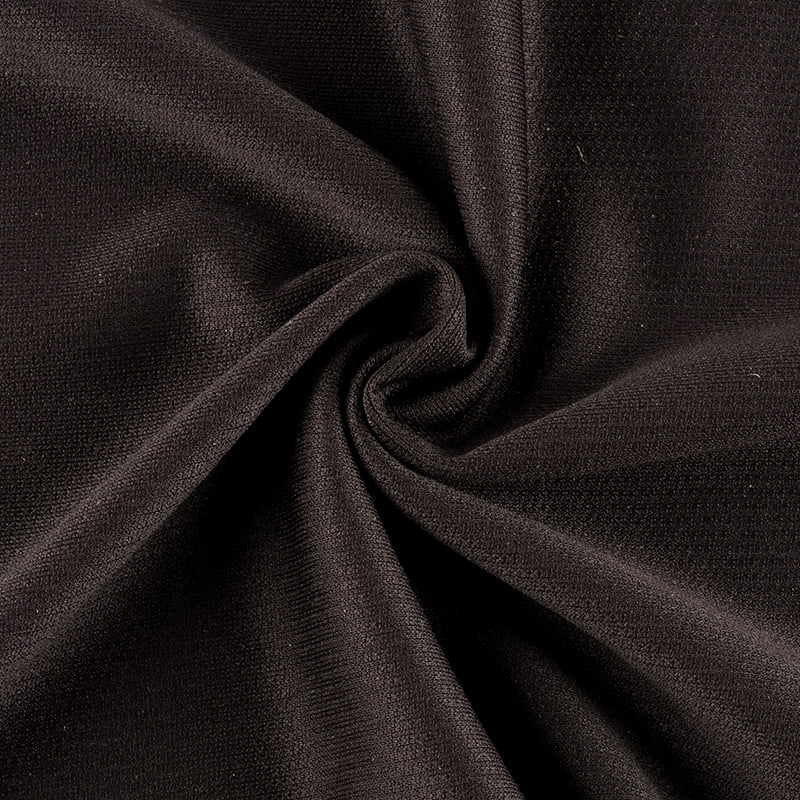
Black mesh fabric deserves special mention because it dominates in fashion, lingerie, and streetwear. When dyed black, the visual density of the mesh openings increases — even an open-weave mesh can appear semi-opaque or fully opaque depending on the yarn thickness and hole size. This optical property makes black mesh fabric ideal for sheer-but-modest layering in evening wear, edgy see-through tops, athletic panel inserts, and lingerie overlays. Black mesh fabric is most commonly produced in polyester or nylon and is widely available in weights from 50 g/m² (very sheer) to 180 g/m² (nearly opaque panel mesh).
Key Physical Properties of Mesh Fabric
The properties that define mesh fabric performance are directly tied to its construction and fiber composition. Here are the most important characteristics you need to evaluate when selecting a mesh material:
Breathability and Air Permeability
The open structure of mesh fabric allows air to circulate freely, making it significantly more breathable than solid textiles. Air permeability is measured in cubic feet per minute (CFM) or millimeters per second (mm/s). A standard polyester mesh used in athletic shorts might have an air permeability of 300–600 mm/s, compared to less than 50 mm/s for a dense woven nylon. This is the core reason mesh cloth dominates in warm-weather sportswear and summer apparel.
Moisture-Wicking and Quick-Dry Performance
Polyester and nylon are inherently hydrophobic (water-repelling at the fiber level), which means moisture does not absorb into the fiber but instead spreads across the surface and evaporates quickly. Most performance-grade polyester mesh fabrics are also treated with Moisture Management Technology (MMT) finishes that accelerate wicking. In standardized testing, high-performance polyester mesh dries 3–5 times faster than cotton fabrics of equivalent weight.
Stretch and Recovery
Stretch is determined by fiber type and knit structure. Pure polyester mesh has minimal stretch. Add 8–10% spandex (elastane) and you get 2-way stretch (horizontal or vertical). Power mesh fabric with 20–25% spandex delivers 4-way stretch with recovery rates above 90% after 50 wash cycles — a performance benchmark cited by sportswear brands. The recovery rate is what distinguishes shapewear-grade power mesh from ordinary elastic mesh used in casual wear.
Weight and Opacity
Mesh fabric weight (measured in grams per square meter, or GSM) directly correlates with visual opacity and structural strength. Lightweight mesh (under 80 GSM) is sheer and delicate — suitable for overlays and fashion. Medium-weight mesh (80–150 GSM) is semi-opaque and used in jerseys, activewear panels, and bags. Heavyweight mesh (above 150 GSM) is near-opaque and used in industrial applications, safety vests, and structure-requiring fashion pieces.
Durability and Abrasion Resistance
Nylon net generally outperforms polyester mesh in abrasion resistance — nylon fibers can withstand more rub cycles before pilling or breaking. However, polyester mesh is more resistant to UV degradation and color fading, making it the better outdoor choice. Both materials are resistant to most common solvents, mildew, and rot.
Applications of Mesh Fabric Across Industries
Mesh fabric's versatility is unmatched in the textile world. Clothing accounts for 40.2% of total mesh fabric revenue, but the remaining 60% spans industries from healthcare to heavy engineering. Here is a detailed sector-by-sector breakdown.
Sportswear and Athletic Apparel
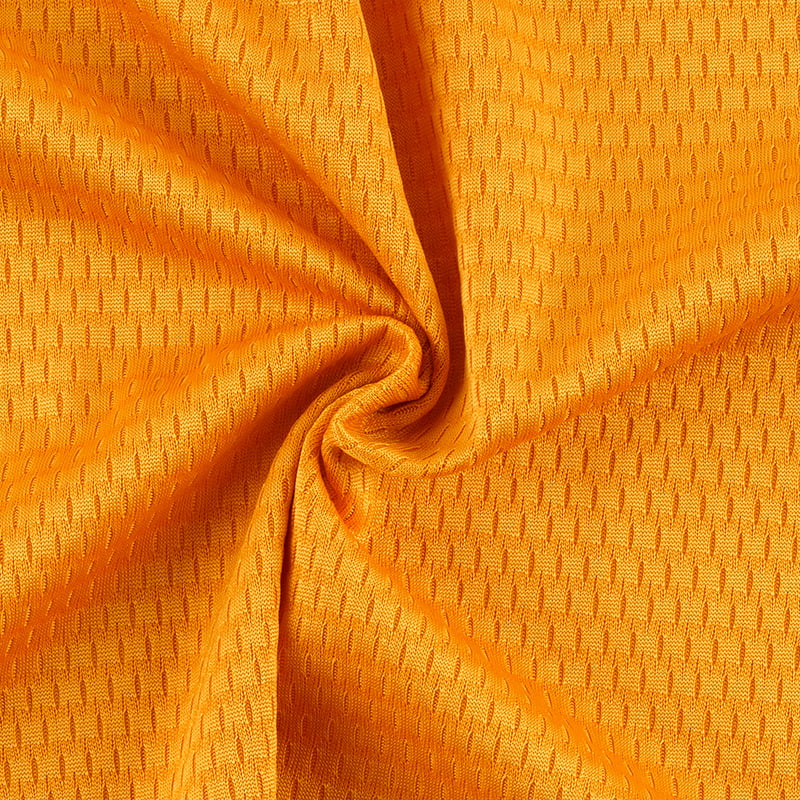
This is the largest single application for mesh material. Mesh jerseys — team uniforms worn in basketball, football, soccer, and baseball — are almost universally made from 100% polyester mesh or poly mesh fabric. The open weave allows body heat and sweat vapor to escape during intense athletic activity. Professional leagues have specific mesh weight requirements; for example, NBA-grade mesh jerseys typically use 120–140 GSM birdseye or eyelet polyester mesh that is lightweight enough to feel weightless yet durable enough to withstand the physical demands of a full season.
Running shorts, soccer shorts, and training gear widely use mesh panels or full-mesh construction. It is common to see a garment that combines a solid performance knit body with mesh panels placed at the underarm, back yoke, or side seams — precisely where the body generates the most heat during exercise.
Fashion and Luxury Apparel
Fashion designers have embraced mesh material as both a structural and aesthetic element. Transparent and semi-transparent mesh overlays over solid linings create depth and visual interest without adding bulk. Major fashion houses regularly feature mesh fabric in runway collections — often fine-gauge nylon net or black mesh fabric with embellishment such as embroidery, sequins, or flocking.
In streetwear, oversized mesh tops, mesh dresses, and layered mesh looks have been mainstream since approximately 2018 and show no signs of decline. The trend has driven demand for affordable large-hole polyester mesh cloth that consumers can style themselves.
Shapewear, Lingerie, and Intimate Apparel
Power mesh fabric and power mesh are the backbone of the shapewear industry. Brands like Spanx, Maidenform, and Yummie rely on power mesh for its ability to compress and smooth without restricting movement. A typical shapewear brief might use power mesh for the front panel (for smoothing) and a lighter standard mesh cloth for ventilation panels at the back. The global shapewear market is expected to exceed USD 6 billion by 2028, which directly drives continued demand for power mesh fabric.
In lingerie, delicate nylon net and fine-gauge net fabric are used for decorative overlays, trim, and sheer panels. The softness of nylon is essential in this application because the fabric is in direct, prolonged contact with sensitive skin.
Bags, Luggage, and Accessories
Poly mesh fabric is extensively used in the bag and accessories market. Mesh side pockets on backpacks, breathable mesh panels on duffel bags, and full-mesh tote bags for beach or gym use all rely on poly mesh fabric. The structural characteristics of woven polyester mesh — dimensional stability, resistance to tearing, and ability to hold shape under load — make it ideal for these load-bearing applications. A standard backpack side pocket mesh typically uses 100–150 GSM polyester mesh with a hole size of 2–4mm.
Medical and Healthcare Applications
Medical-grade mesh fabric has become a significant application area, though it is quite different from textile mesh. Surgical mesh — used in hernia repair, pelvic floor reconstruction, and wound management — is manufactured from ultra-fine biocompatible polymers such as polypropylene or polyglycolic acid. These medical meshes must meet stringent FDA and CE requirements for biocompatibility and sterility. Beyond surgical applications, power mesh and compression mesh are widely used in orthopedic supports, prosthetics liners, and compression therapy garments for conditions like lymphedema and deep vein thrombosis.
Industrial and Technical Textiles
Netting fabric in its heavy industrial forms is used for construction safety netting, cargo nets, agricultural frost protection covers, geotextile erosion control mats, and wind break screens. These products are typically manufactured from high-tenacity polyester or polypropylene yarns with UV stabilizers, and they are engineered to withstand years of outdoor exposure. Safety netting used in construction must comply with EN 1263 (Europe) or ANSI A10.11 (USA) standards — specifying minimum breaking strength, mesh aperture size, and fall arrest performance.
Home Textiles and Interior Design
Mesh fabric appears in home applications including insect screens, curtain sheers, laundry bags, produce storage bags, and decorative pillows. Mesh curtains — often made from fine polyester or fiberglass — allow light diffusion while maintaining privacy. The demand for stylish home mesh products has increased alongside general interior design trends favoring airy, minimalist aesthetics.
Choosing the Right Mesh Fabric for Your Project
With so many variants available, selecting the correct mesh material requires matching specific fabric properties to your application requirements. Here is a decision framework:
Step 1: Define Your Stretch Requirement
- No stretch needed (bags, screens, netting): Choose woven polyester mesh or netting fabric.
- 2-way stretch (casual jersey, shorts lining): Choose standard poly mesh fabric with 5–8% spandex.
- 4-way stretch with compression (shapewear, swimwear, compression shorts): Choose power mesh fabric with 20–25% spandex.
Step 2: Choose Your Fiber
- Polyester mesh fabric: Best for budget-conscious projects, sportswear, outdoor applications, and UV-exposed uses. Excellent color retention.
- Nylon net: Best for lingerie, bridal, dance, and applications requiring soft skin contact. Superior abrasion resistance but slightly higher cost.
- Nylon/spandex blend (power mesh): Best for compression garments and shapewear requiring sustained elastic performance wash after wash.
Step 3: Select Weight and Opacity
- Sheer overlay or decorative use: 40–80 GSM fine net fabric or tulle.
- Athletic jersey or panel: 100–140 GSM polyester mesh fabric or mesh cloth.
- Shapewear lining or compression: 150–200 GSM power mesh fabric.
- Bags, backpack pockets: 120–180 GSM poly mesh fabric.
Step 4: Consider Color and Finish
Black mesh fabric is the most universally available and offers the best visual versatility. White and nude mesh fabrics are popular for lingerie and bridal applications. For sports and fashion, mesh fabric is available in virtually every color through disperse dyeing (polyester) or acid dyeing (nylon). Specialty finishes including anti-odor, flame retardant (FR), and UV-blocking coatings are available for performance and industrial mesh applications.
Mesh Fabric in Sportswear: A Deeper Look at Mesh Jerseys and Athletic Mesh
Mesh jerseys represent one of the most iconic and widely recognized applications of mesh material. From professional NBA uniforms to amateur soccer kits, the mesh jersey has been a team sports staple since the 1970s, when polyester replaced heavy wool and cotton as the fabric of choice for athletic uniforms.
Why Mesh Jerseys Use Polyester Mesh
The reasons are technical and economic:
- Weight: A 120 GSM polyester mesh jersey weighs significantly less than an equivalent cotton garment, reducing fatigue over the course of a game.
- Dye sublimation compatibility: Polyester mesh accepts sublimation printing exceptionally well — the process infuses dye directly into the fiber, producing vibrant, durable prints that won't crack, peel, or fade even after hundreds of washes.
- Low cost at scale: Polyester is the most affordable synthetic fiber, making large team uniform orders economically practical.
- Easy care: Polyester mesh jerseys are machine washable, tumble dry safe (on low heat), and wrinkle-resistant.
Mesh Cloth in Casual and Lifestyle Apparel
Mesh cloth in its softer, finer gauge forms has crossed over from pure performance into lifestyle and casual wear. The fashion-athletic crossover (often called "athleisure") has normalized mesh cloth in everyday contexts: mesh sneakers, mesh baseball caps, mesh polo shirts, and mesh-panel leggings are all widely accepted outside of sports contexts. This shift has been significant for the market — athleisure was estimated to account for over USD 300 billion in global apparel revenue in 2025.
Sustainability and Eco-Friendly Mesh Fabric Options
Sustainability is reshaping the mesh fabric supply chain. Consumer pressure, brand commitments, and tightening environmental regulations are driving a shift toward recycled and biodegradable mesh materials.
Recycled Polyester Mesh
Recycled polyester mesh — commonly referred to as rPET mesh — is made from post-consumer plastic waste, primarily PET bottles. One kilogram of rPET fiber saves approximately 6 kg of CO₂ emissions compared to virgin polyester production. Leading activewear brands including Patagonia, Adidas, and Lululemon have committed to using rPET mesh in significant portions of their product lines. As of 2025, recycled polyester mesh is commercially available in weights from 80–200 GSM and can be produced in the same quality range as virgin polyester mesh fabric.
Recycled Nylon Net
ECONYL® is the most prominent example — a regenerated nylon fiber made from discarded fishing nets, fabric scraps, and industrial plastic waste. Nylon net produced from ECONYL® has identical performance characteristics to virgin nylon but carries a significantly reduced carbon footprint. It is increasingly used in premium swimwear, activewear, and lingerie applications where consumers expect both performance and environmental responsibility.
Biodegradable Mesh Alternatives
For applications where end-of-life disposal is a concern — such as agricultural netting fabric — biodegradable variants made from jute, hemp, and corn-based PLA (polylactic acid) fibers are gaining traction. These materials decompose in composting conditions within 1–3 years, compared to synthetic meshes that can persist for hundreds of years in landfill.
How to Sew and Work With Mesh Fabric
Mesh fabric presents unique challenges when cutting and sewing due to its open structure. Here are practical guidelines for working with mesh material effectively.
Cutting Mesh Fabric
- Use sharp fabric scissors or a rotary cutter — dull blades will snag the open weave and distort the cut edge.
- Place tissue paper under the mesh on a cutting mat to stabilize it during cutting. Peel the tissue away after cutting.
- Power mesh fabric and stretchy mesh should be cut in a single layer to prevent misalignment.
- For net fabric and fine tulle, use long, smooth cutting strokes to avoid jagged edges.
Sewing Mesh Fabric
- Use a ballpoint or jersey needle (size 70/10 or 80/12) to avoid snagging mesh fibers — a sharp needle will pierce and damage individual yarns.
- Use a fine polyester thread (e.g., Gutermann 100% polyester) that matches the fiber content of the mesh.
- A walking foot or roller foot helps feed slippery or stretchy mesh evenly through the sewing machine.
- Use a narrow zigzag stitch (width 1.0–1.5mm, length 2.0–2.5mm) for stretch mesh to allow seam flexibility. For polyester mesh fabric without stretch, a straight stitch works well.
- A serger (overlock machine) produces the cleanest, most professional finish on mesh fabric edges, preventing fraying and reducing bulk.
Finishing Edges
Most synthetic mesh fabrics do not fray in the traditional sense, but cut edges can snag or roll. Common finishing techniques include:
- Fold-over elastic (FOE): Widely used on power mesh and activewear — the elastic folds over the raw edge and is stitched flat, giving a clean finish with added support.
- Turned hem: Works best on stable, non-stretch mesh cloth. Fold under 0.5–1 cm and topstitch.
- Fray check liquid: Applied to raw cut edges of fine nylon net or netting fabric to seal individual yarns.
Mesh Fabric Care: How to Wash, Dry, and Store It Correctly
Proper care dramatically extends the life of any mesh garment or product. The good news is that most synthetic mesh fabrics are relatively easy to care for — but there are critical mistakes that will permanently damage them.
Washing Guidelines
- Machine wash on cold or warm (max 40°C / 104°F). Hot water can break down spandex fibers in power mesh fabric, permanently reducing elasticity and compression performance.
- Use a mesh laundry bag when washing fine net fabric, delicate nylon net, or embellished mesh garments. This prevents snagging on other items or the drum.
- Use a mild, pH-neutral detergent. Avoid fabric softeners — they coat synthetic fibers and reduce moisture-wicking performance over time. Studies show fabric softener reduces moisture-wicking efficiency by up to 35% after five washes.
- Use a gentle or delicate cycle. The open structure of mesh cloth is vulnerable to mechanical stress; aggressive spin cycles can stretch or distort the mesh structure.
- Mesh jerseys can typically be washed on a normal cycle in cold water and come out undamaged.
Drying Guidelines
- Air drying is always the safest option for all mesh fabric types. Lay flat or hang to dry in a shaded, ventilated area.
- If using a tumble dryer, use the lowest heat setting. High heat is the primary cause of spandex degradation, shrinkage in blended mesh, and distortion in polyester mesh fabric.
- Never tumble dry power mesh fabric on high heat — it will flatten the compression properties permanently.
- Most polyester mesh and poly mesh fabric garments are quick-drying and will air dry completely within 30–60 minutes in normal room conditions.
Ironing and Steaming
- Do not iron directly on mesh fabric. The open structure provides no barrier between the iron plate and individual yarns, which will melt instantly on synthetic mesh at temperatures above 130°C (266°F).
- If pressing is necessary, use a pressing cloth (a thin cotton fabric placed between the iron and the mesh) and a cool iron setting.
- A garment steamer held 5–10 cm away from the mesh surface can safely remove wrinkles from most mesh material without direct contact.
Storage
- Store mesh garments folded flat or hung. Avoid tightly compressing power mesh items for extended periods, as sustained compression can cause the spandex to relax.
- Keep mesh away from rough surfaces or Velcro in storage — snagging is the most common cause of damage to open-weave mesh cloth.
- Store black mesh fabric away from direct sunlight to prevent UV-induced color fading.
Common Problems With Mesh Fabric and How to Solve Them
Even high-quality mesh material will develop issues over time or with improper use. Here are the most frequent problems and their practical solutions:
| Problem | Likely Cause | Solution |
|---|---|---|
| Loss of compression in power mesh | Hot wash or tumble drying at high heat | Switch to cold wash + air dry; replace garment if severe |
| Snags or runs in nylon net | Contact with rough surfaces or sharp objects | Use mesh laundry bag; store away from Velcro or zippers |
| Reduced moisture-wicking performance | Fabric softener buildup on polyester mesh | Wash twice with plain water; discontinue fabric softener use |
| Color fading on black mesh fabric | UV exposure or hot wash | Wash cold, dry in shade; store out of direct sunlight |
| Distortion or warping of mesh cloth | Aggressive spin cycle or ironing directly | Use gentle cycle; never iron directly on mesh; steam instead |
| Odor retention in polyester mesh jerseys | Hydrophobic fiber traps bacteria on surface | Soak in white vinegar solution (1:4) before washing; use sport-specific detergent |
The Future of Mesh Fabric: Innovation and Market Trends
Mesh fabric is not standing still. Several technological and market forces are actively shaping what mesh material will look like and perform like over the next decade.
Smart and Electronic Mesh Textiles
The integration of conductive yarns into mesh fabric structures is enabling a new category of smart textiles. Conductive mesh cloth with embedded sensors can monitor body temperature, heart rate, respiration, and movement in real time — transmitting data wirelessly to smartphones or medical devices. Research prototypes using silver-coated nylon net have demonstrated wash-stable conductivity over 50 wash cycles, suggesting commercial viability is within reach. The e-textiles market is projected to exceed USD 5 billion globally by 2030.
3D Knitting and Seamless Mesh Construction
Automated 3D knitting technology (used by brands like Nike with Flyknit and Adidas with Primeknit) allows entire mesh garment panels to be knitted in three dimensions with programmed zone-specific properties — high ventilation mesh cloth in heat zones, tight-knit support structures at joints, and gradient density transitions between zones. This eliminates cutting and sewing waste (potentially reducing fabric waste by 30–40% per garment) and enables personalized garment construction based on individual body scans.
Antimicrobial and Functional Finish Innovations
New antimicrobial treatments — particularly zinc-based and silver-ion finishes — are becoming standard features on premium athletic polyester mesh fabric and mesh jerseys. These finishes inhibit bacterial growth on the fabric surface, directly addressing the odor retention problem that has historically been a weakness of synthetic mesh material. Durability of these treatments has improved significantly, with leading finishes now rated for 100+ wash cycles while maintaining 99%+ bacterial inhibition rates.
India and Asia-Pacific as Manufacturing Growth Hubs
India's mesh fabric manufacturing sector is growing at 10.1% CAGR — the fastest of any major producing nation — driven by export demand for activewear and government investments in textile manufacturing infrastructure. China remains the world's largest producer of poly mesh fabric, polyester mesh, and netting fabric by volume, but Vietnam, Bangladesh, and India are increasingly competitive for mid-range and performance mesh categories.
Mesh Fabric vs. Other Open-Weave Textiles: Key Differences
Mesh fabric is frequently confused with several related open-structure textiles. Understanding the distinctions helps you select the right material and communicate precisely with suppliers or manufacturers.
Mesh Material vs. Lace
Lace is a decorative openwork fabric produced by looping, twisting, or braiding yarns to create intricate patterns — traditionally by hand or on specialized Leavers machines. The key difference is that lace always features an ornamental pattern within its structure, while mesh material features a uniform, repetitive grid of openings without intentional decorative patterning. Lace is almost exclusively used for decorative or fashion purposes, while mesh fabric spans decorative, functional, and industrial applications. From a price perspective, true Leavers lace can cost 10–50 times more per meter than equivalent-weight polyester mesh cloth.
Mesh Fabric vs. Tulle and Net Fabric
Tulle is a specific type of very fine, lightweight net fabric with hexagonal or diamond-shaped openings, traditionally made from silk (now almost universally from nylon or polyester). The defining characteristic is its extreme fineness — tulle can weigh as little as 15–25 GSM, creating an almost invisible sheer effect when layered. Standard mesh material is typically heavier (80–200 GSM for apparel applications) and has more visible, structured openings. Tulle is used almost exclusively in fashion and performance arts (ballet, bridal, dance costumes), while mesh fabric serves a far broader range of applications.
Mesh Cloth vs. Knit Jersey
Standard jersey knit (like the fabric of a basic T-shirt) is a solid knit with no visible openings. Mesh cloth in sportswear contexts is an open-knit jersey where the knit structure intentionally creates ventilation holes. The performance difference is significant: a solid 150 GSM polyester jersey might have an air permeability of 30–50 mm/s, while a comparable weight of polyester mesh cloth can achieve 300–500 mm/s — a tenfold improvement in breathability for the same garment weight. This is why mesh jerseys in professional sports are open-knit rather than solid-knit, even though both are technically "jersey" fabrics.
Netting Fabric vs. Woven Mesh
Netting fabric and woven mesh are structurally similar but differ in scale and application. Woven mesh uses tightly controlled yarn spacing to create precise opening sizes — common in filtration, screen printing, and technical textiles where pore size uniformity is critical. Netting fabric typically features larger, more irregular openings and is produced for strength and coverage rather than dimensional precision. A filtration-grade woven polyester mesh might have 500 mesh count openings per linear inch, while a construction safety netting might have 50mm × 50mm squares — a 25,000-fold difference in opening scale, yet both qualify as forms of mesh fabric.
How to Buy Mesh Fabric: What to Look for When Sourcing
Whether you are sourcing mesh fabric as a fashion designer, sportswear manufacturer, craft enthusiast, or procurement specialist, the buying process has a set of common evaluation criteria. Getting these right the first time saves significant cost in sampling and development.
Understanding Mesh Fabric Specifications
When requesting samples or reviewing supplier data sheets for any type of mesh material, you should expect to evaluate the following technical parameters:
- GSM (grams per square meter): The weight of the fabric per unit area. Lighter is more sheer; heavier is more opaque and usually more durable.
- Fiber content and ratio: E.g., "82% polyester / 18% spandex" for a stretch poly mesh fabric, or "100% nylon" for a rigid nylon net.
- Knit or weave structure: Warp-knit, weft-knit, or woven — this determines stretch direction and dimensional stability.
- Hole size or mesh count: Measured in mm (hole diameter) or mesh count (openings per inch). Critical for filtration, industrial, and technical textile applications.
- Stretch percentage: How far the fabric stretches from its resting state (e.g., "150% stretch in cross direction"). Key for power mesh fabric and activewear applications.
- Colorfastness rating: ISO or AATCC test scores for washing, light, and rubbing fastness. Minimum Grade 4 (on a 5-grade scale) is standard for quality garments, including black mesh fabric and mesh jerseys.
- Applied finishes: Moisture management, anti-pilling, antimicrobial, UV protection, or flame retardant. Each adds value but also adds cost.
Minimum Order Quantities and Pricing
Mesh fabric pricing varies significantly based on fiber type, weight, and order volume. As a general market reference for 2025–2026:
- Basic polyester mesh fabric (100 GSM, undyed): USD 1.20–2.50 per meter at MOQ of 300–500 meters from Asian suppliers.
- Power mesh fabric (nylon/spandex, 160 GSM): USD 3.50–6.00 per meter at MOQ of 200–300 meters.
- Recycled polyester mesh (rPET, 120 GSM): typically USD 0.30–0.80 premium per meter over virgin polyester equivalent.
- Fine nylon net / tulle: USD 0.80–2.00 per meter for standard weights from wholesale fabric suppliers.
For small-scale buyers, retail fabric platforms and local fabric stores typically carry polyester mesh cloth, poly mesh fabric, and basic nylon net in cut lengths starting from 0.5 meters, at retail prices of USD 3–10 per meter depending on quality and region.
Certifications to Look For
Quality mesh fabric intended for apparel and consumer products should carry at least some of the following certifications, depending on the end application:
- OEKO-TEX Standard 100: Confirms the mesh material has been tested for harmful substances and is safe for skin contact. Essential for garments, especially lingerie and shapewear using power mesh.
- bluesign®: Certifies that the polyester mesh fabric or poly mesh fabric was produced using environmentally responsible processes, with minimized chemical impact and water usage.
- GRS (Global Recycled Standard): Verifies the recycled content claims in rPET mesh and recycled nylon net products.
- ISO 9001: Confirms the supplier's quality management system meets international manufacturing standards — important for bulk orders of mesh jerseys and commercial mesh cloth.
Real-World Examples: Mesh Fabric in Action
To make the properties and applications of mesh fabric more concrete, here are specific real-world examples of how mesh material is used across different contexts — and what makes the choice of mesh type important in each case.
Example 1: NBA Basketball Jerseys
NBA mesh jerseys use what is called "birdseye" or "eyelet" polyester mesh — a specific knit pattern with small, uniform circular or oval holes across the entire fabric surface. The fabric weight is typically 120–135 GSM, and the material is 100% recycled polyester in modern uniforms (Nike, the NBA's official uniform partner since 2017, committed to 100% recycled polyester for NBA uniforms). The mesh cloth is dye-sublimation printed, allowing the team colors and complex graphic elements to be embedded directly into the fiber for permanent, vibrant results. Each jersey weighs approximately 130–150 grams — roughly 40% lighter than cotton jerseys of the same dimensions.
Example 2: Spanx Shaping Shorts
The structural shaping panels in Spanx and similar shapewear brands are manufactured from power mesh fabric, typically a blend of 78% nylon + 22% spandex at 160–200 GSM. The power mesh provides graduated compression — firmer at the abdomen and gentler toward the thigh — achieved by varying the knit density in different zones during production. The breathability of the open-knit structure is essential here; solid compression fabric of the same weight would create uncomfortable heat buildup during extended wear. This is a case where power mesh fabric solves two opposing requirements simultaneously: compression and ventilation.
Example 3: Agricultural Crop Protection Netting
Horticultural netting fabric used for frost protection, bird deterrence, and shade provision over fruit and vegetable crops is a purpose-engineered form of polyester or polypropylene mesh. A typical anti-bird netting fabric for vineyard use features 10mm × 10mm diamond-shaped openings, 15–25 GSM total weight, and UV stabilizers rated for 5+ years of outdoor exposure. The open structure allows rain, air, and pollinating insects to pass through freely while physically blocking birds. An estimated 3.5 million hectares of European agricultural land use some form of protective netting fabric, highlighting how critical this unglamorous application of mesh material is to global food production.
Example 4: Running Shoe Uppers
The upper section of modern running shoes — the part that wraps around the foot — is almost universally made from engineered knit mesh material. Nike's Flyknit and Adidas's Primeknit use proprietary 3D-knitted polyester mesh cloth with zone-specific properties: open, lightweight mesh cloth in the toe box for breathability, denser knit structures at the arch and heel for support, and flexible mesh material at the flex zones for natural foot movement. A modern Flyknit upper weighs as little as 19 grams — a feat made possible by engineering mesh material at the fiber-level rather than assembling multiple panels of different textiles.
Frequently Asked Questions About Mesh Fabric
Is mesh fabric the same as netting fabric?
Not exactly. Mesh fabric is a broad category that includes any open-weave or open-knit textile. Netting fabric is a specific subset of mesh fabric characterized by larger, knotted or looped open squares, traditionally used for fishing, sports goals, and agricultural applications. All netting is mesh, but not all mesh is netting.
What is the difference between power mesh and regular mesh?
Power mesh fabric is a specialized, high-spandex-content knitted mesh (typically 18–25% spandex) engineered for strong compression and 4-way stretch with high recovery. Regular mesh fabric may have no stretch or only 2-way stretch with minimal recovery. Power mesh is significantly firmer and heavier than standard athletic or fashion mesh.
Can I use polyester mesh fabric outdoors?
Yes. Polyester mesh fabric is inherently more UV-resistant than nylon. For extended outdoor use (shade sails, agricultural nets, safety fencing), look for UV-stabilized polyester mesh that has been tested to resist degradation for a specified number of UV exposure hours — commonly rated at 1,000 to 5,000+ hours.
How do I prevent black mesh fabric from fading?
Wash black mesh fabric in cold water with a color-safe detergent, turn the garment inside out, and dry it in the shade or indoors. Avoid hot washing, bleach, and prolonged direct sunlight exposure. Adding a small amount of white vinegar to the rinse cycle can help set the dye and maintain color depth.
What weight of poly mesh fabric should I use for a backpack pocket?
For a functional, durable backpack side pocket, choose a poly mesh fabric in the 120–160 GSM range with a hole size of 2–4mm. This provides enough structural integrity to hold water bottles and accessories without stretching out permanently, while remaining visually open and lightweight.