

 English
  中文简体
中文简体  русский
  Español
  عربى
عربى 
Content
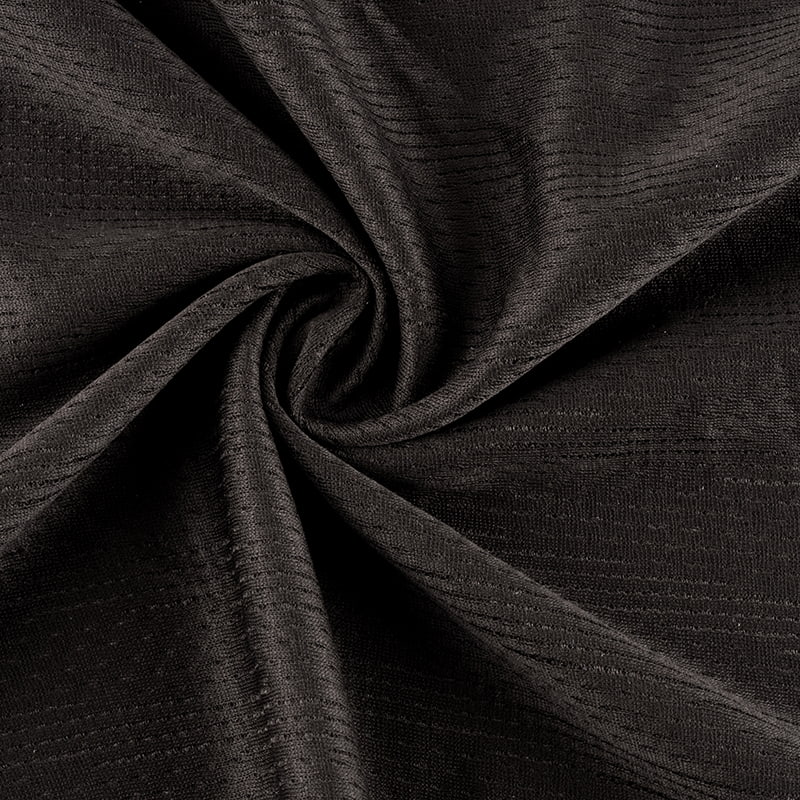
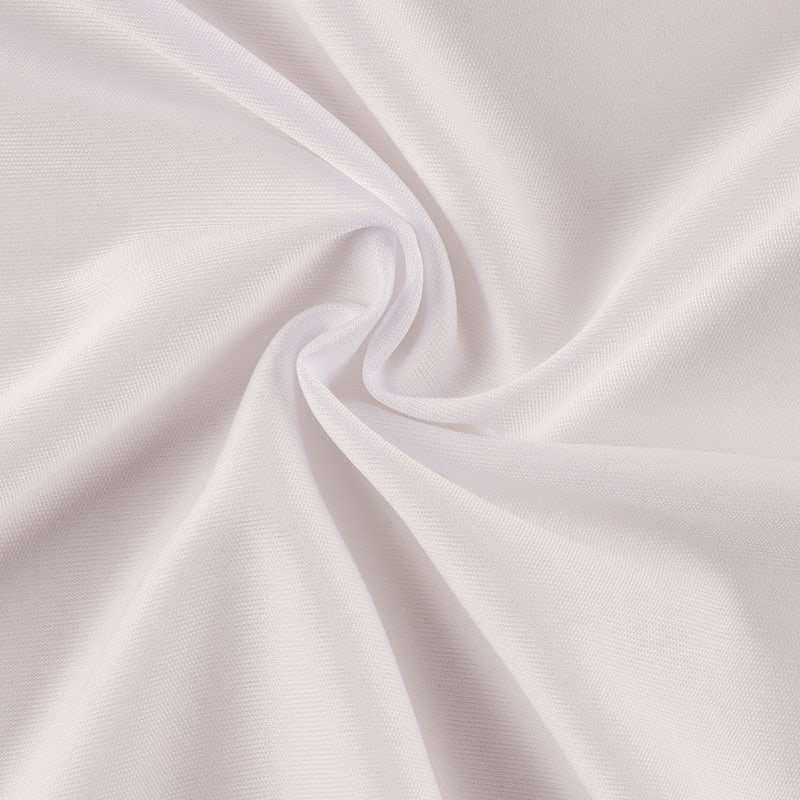
Flat fabric is any textile produced by interlacing yarns on a loom in a two-dimensional, non-tubular structure — the most widely used fabric format in both fashion and industrial applications. Unlike knit fabrics that loop yarns together for stretch, flat fabrics are woven in a stable grid, giving them structure, durability, and dimensional consistency. If you've ever worn a dress shirt, slept on cotton sheets, or carried a canvas tote, you've used flat fabric.
This guide covers everything you need to know: the main types of flat fabric, how they're used across industries, their key benefits, and how to choose the right one for your project.
What Makes a Fabric "Flat"?
The term "flat fabric" refers to the construction method, not the texture or feel. Flat fabrics are produced on a flat loom — as opposed to circular knitting machines — and delivered as flat rolls or bolts of material. The defining characteristics are:
- A woven or non-woven planar structure
- Minimal to no inherent stretch (unless elastane is added)
- Consistent width, typically between 44–60 inches (112–152 cm)
- A defined warp (lengthwise) and weft (crosswise) thread direction
This construction gives flat fabrics their signature crispness and structural integrity, making them the go-to choice wherever shape retention matters.
Main Types of Flat Fabric
Flat fabrics span a wide range of weave structures and fiber compositions. Here are the most important categories:
Plain Weave
The simplest and most common structure — each weft thread passes over and under alternating warp threads. Examples include muslin, chiffon, organza, and canvas. Plain weave accounts for roughly 80% of all woven fabric production worldwide due to its versatility and cost efficiency.
Twill Weave
Weft threads pass over two or more warp threads in a staggered pattern, creating a diagonal rib. Denim, gabardine, and herringbone are classic twill fabrics. Twill is known for its durability and drape — denim alone represents a $76 billion global market as of 2024.
Satin Weave
Long warp floats create a smooth, lustrous surface on one side. Used in charmeuse, duchess satin, and silk satin. Preferred in luxury eveningwear and lingerie for its light-reflecting finish.
Specialty Flat Weaves
Beyond the three base structures, flat fabrics include:
- Dobby weave — small geometric patterns woven directly into the structure (e.g., piqué, waffle cloth)
- Jacquard weave — complex figured patterns controlled by punch cards or digital looms (e.g., brocade, tapestry)
- Non-woven flat fabrics — bonded or felted fibers without interlacing, used in medical textiles and industrial filtration
| Weave Type | Key Examples | Best For | Stretch Level |
|---|---|---|---|
| Plain | Muslin, Chiffon, Canvas | Everyday garments, bags | None |
| Twill | Denim, Gabardine | Workwear, structured fashion | Low |
| Satin | Charmeuse, Duchess Satin | Eveningwear, luxury pieces | None |
| Jacquard | Brocade, Tapestry | Decorative, upholstery | None |
| Non-woven | Felt, Interfacing | Industrial, medical | Varies |
Where Is Flat Fabric Used?
Flat fabric appears across virtually every industry that uses textiles. Its dimensional stability and surface consistency make it irreplaceable in applications where precision matters.
Fashion & Apparel
Flat wovens dominate tailored clothing. Dress shirts, trousers, blazers, skirts, and outerwear are almost universally made from flat fabric because they hold seams cleanly and respond predictably to pressing and interfacing. The global woven apparel market was valued at over $400 billion in 2023, with flat fabrics forming the structural backbone.
Home Textiles
Bedding, curtains, upholstery, and table linens rely on flat fabric. Thread count in flat-woven bed sheets — typically ranging from 200 to 1,000 — is one of the most widely used quality benchmarks in home textiles retail.
Technical & Industrial Applications
Beyond consumer goods, flat fabrics are used in:
- Medical textiles — surgical drapes, wound dressings, and non-woven disposable gowns
- Automotive interiors — seat covers and headliners woven to tight dimensional tolerances
- Geotextiles — flat woven polypropylene used in road construction and erosion control
- Filtration — tightly woven fabrics that act as physical barriers in air and liquid filtration systems
Accessories & Soft Goods
Canvas bags, webbing straps, ribbon, labels, and shoe uppers are all typically flat-woven. The rigidity of flat fabric allows these items to maintain their shape under load — a property knits cannot reliably provide.
Key Benefits of Flat Fabric
Understanding why designers and manufacturers choose flat fabric helps you make better sourcing and design decisions.
Dimensional Stability
Flat wovens resist distortion under stress, holding their shape after cutting, sewing, and washing. This is critical for structured garments and precision-cut components where even a 2–3% distortion in the fabric can compromise fit.
Durability & Tensile Strength
The interlocked warp-and-weft structure distributes load across multiple threads. A standard canvas flat weave at 10 oz/yd² can withstand tensile forces exceeding 200 lbs, making it suitable for bags, upholstery, and industrial webbing.
Print & Dye Compatibility
The flat, even surface of woven fabric accepts print and dye with excellent color resolution. Digital textile printing on flat fabrics produces up to 1,200 DPI resolution, enabling photographic-quality patterns not achievable on stretch knits.
Ease of Construction
Flat fabrics don't curl at the edges, lie flat on cutting tables, and behave predictably under industrial sewing machines — reducing production time by 15–25% compared to knit alternatives in structured garment manufacturing.
Sustainability Potential
Flat weaving is compatible with recycled, organic, and low-impact fibers. Recycled polyester flat fabrics now account for over 15% of the sustainable textile market, and certifications like GOTS and OEKO-TEX are commonly applied to flat-woven cottons and linens.
Flat Fabric vs. Knit Fabric: Which Should You Choose?
The choice between flat and knit fabric is one of the most fundamental decisions in garment design. Here's a direct comparison:
| Property | Flat (Woven) Fabric | Knit Fabric |
|---|---|---|
| Stretch | Minimal (bias cut adds slight stretch) | High (2-way or 4-way) |
| Structure | Firm, shape-holding | Soft, body-conforming |
| Edge behavior | Frays (requires finishing) | Curls or rolls |
| Print quality | Excellent | Good (can distort) |
| Typical use | Shirts, trousers, bags, home textiles | T-shirts, sportswear, loungewear |
| Sewing difficulty | Easier for structured garments | Requires overlocker/serger |
Choose flat fabric when structure, print clarity, or dimensional precision is a priority. Choose knit when comfort, stretch, and ease of movement are the primary requirements.
How to Choose the Right Flat Fabric for Your Project
With dozens of flat fabric options available, use these practical criteria to narrow your selection:
- Weight: Measured in GSM (grams per square meter) or oz/yd². Lightweight fabrics (80–120 GSM) suit blouses and linings; medium weight (150–250 GSM) works for shirts and trousers; heavyweight (300+ GSM) is used for outerwear and upholstery.
- Fiber content: Cotton and linen breathe well for warm-weather garments. Wool holds heat and shape. Polyester offers durability and print vibrancy. Silk provides unmatched drape and luster.
- Weave structure: Plain weave for everyday use and printing; twill for durability and drape; satin for luxury surface effects.
- Finish: Look for specific finishes — water-repellent, flame-retardant, anti-wrinkle — depending on end use.
- Thread count or pick count: Higher thread count generally means a tighter, smoother, more durable fabric — relevant in both apparel and home textiles.
Caring for Flat Fabric
Proper care extends the life and appearance of flat fabrics significantly. General guidelines by fiber type:
- Cotton flat weaves: Machine wash cold to prevent shrinkage (pre-washed cotton shrinks up to 5% in the first wash); tumble dry low or line dry.
- Linen: Hand wash or gentle cycle; linen softens with each wash. Avoid high heat drying.
- Silk satin: Dry clean or hand wash in cold water with pH-neutral detergent; never wring or twist.
- Wool twill: Dry clean recommended; if hand washing, use cool water and wool-specific detergent to prevent felting.
- Polyester: Machine washable; dries quickly; iron on low heat as high temperatures can cause glazing on the surface.
Final Takeaway
Flat fabric is the structural foundation of the textile world — from a crisp Oxford shirt to a geotextile membrane under a highway. Understanding the different weave structures, fiber options, and performance properties allows you to make smarter sourcing decisions, whether you're a fashion designer, manufacturer, or buyer.
When in doubt, start with the end use: what does the fabric need to do? Hold shape → flat woven. Move with the body → knit. Print sharply → plain or satin flat weave. Bear heavy load → twill or canvas. Match the construction to the application, and flat fabric will consistently outperform alternatives where structure and precision matter most.