

 English
  中文简体
中文简体  русский
  Español
  عربى
عربى 
Content
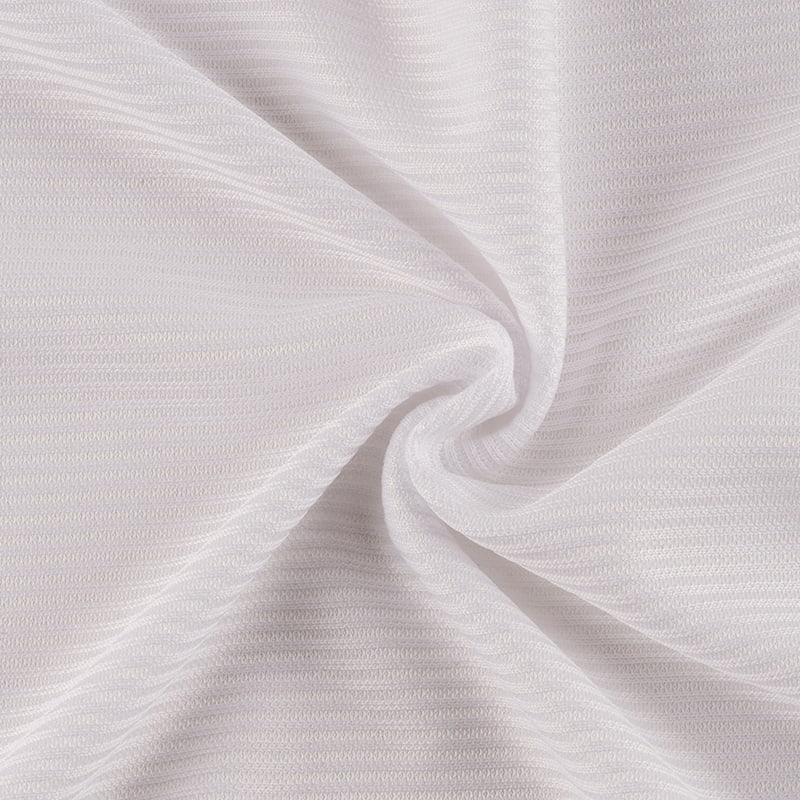
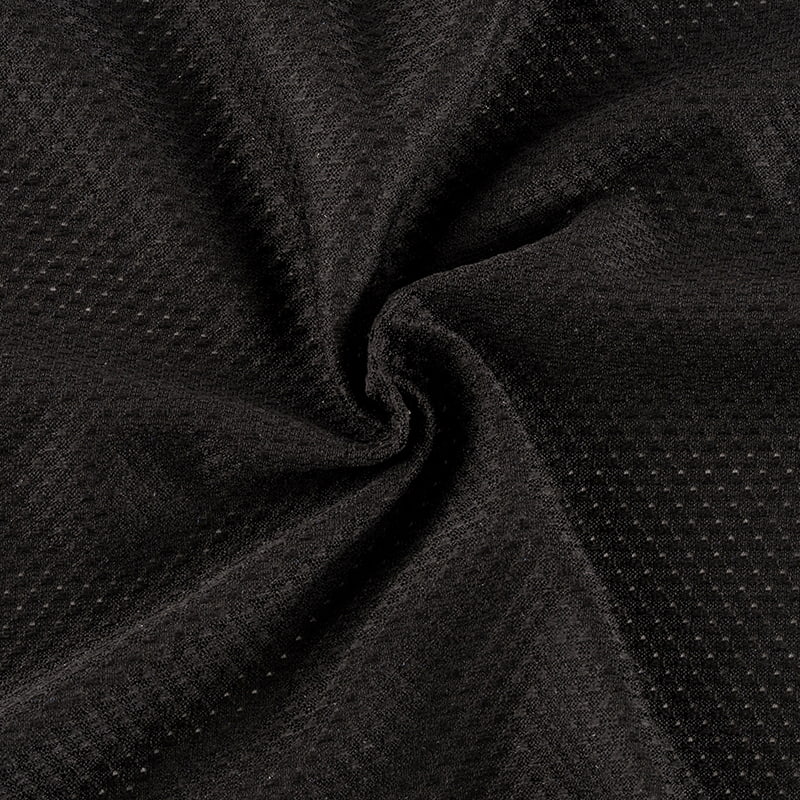
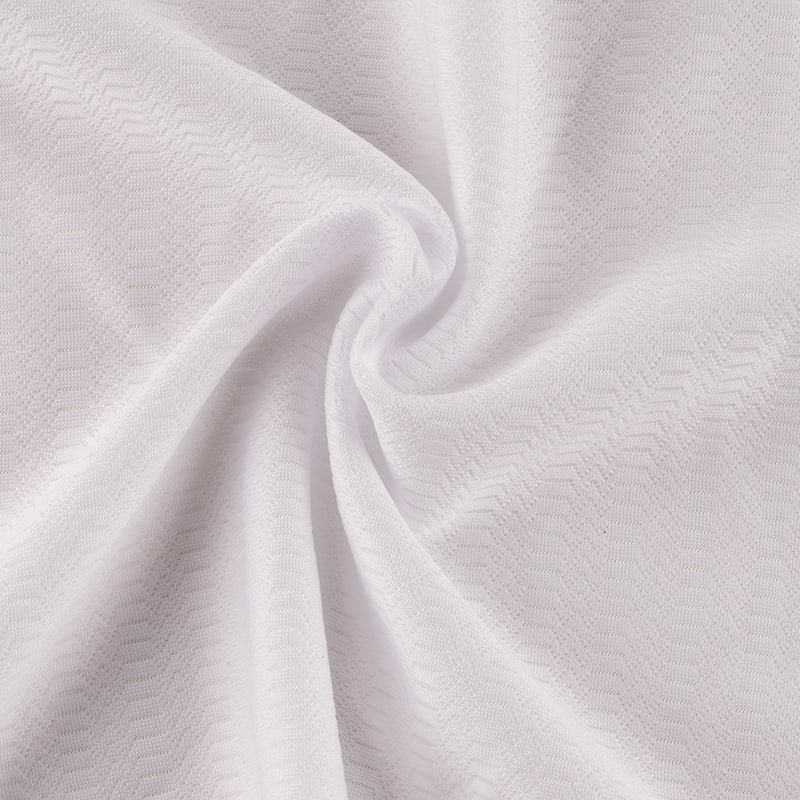
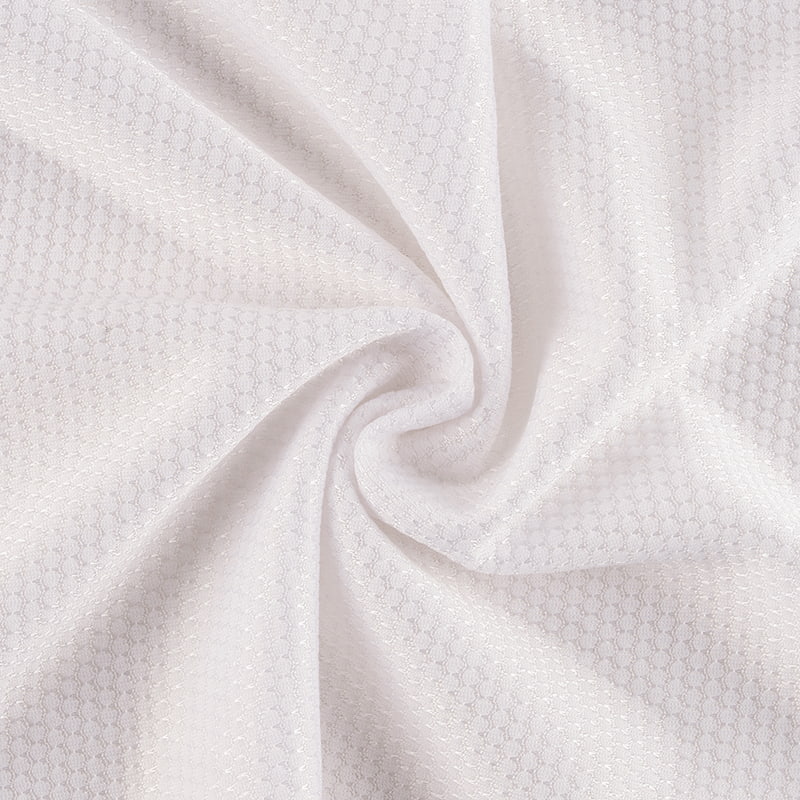
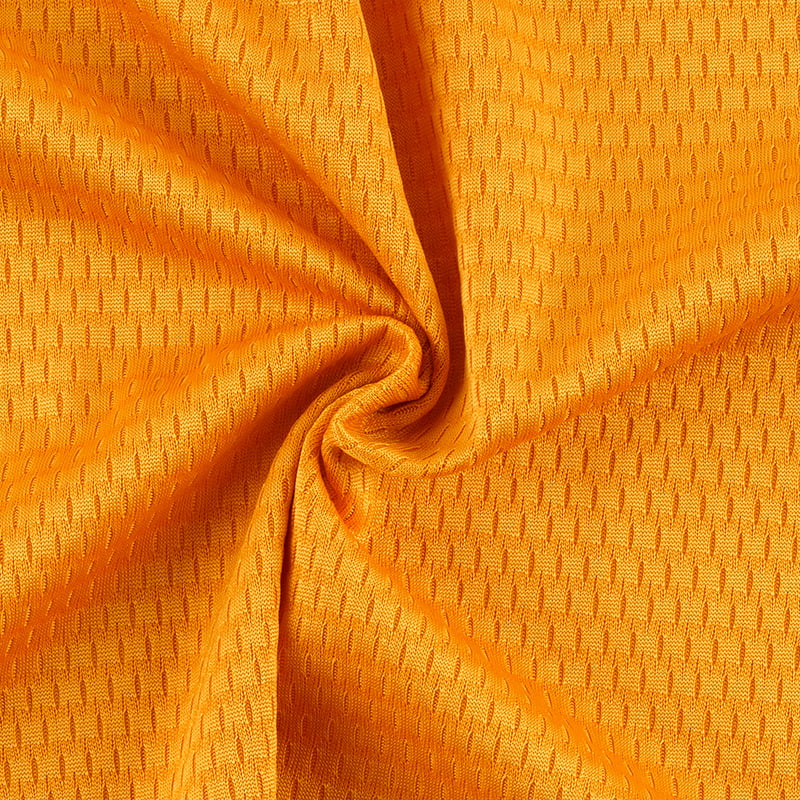
Mesh fabric is an open, porous textile built with a knit or woven structure that leaves visible gaps between fibers, allowing air and light to pass through. The three main construction types are warp knit (the most common for technical applications like office chairs and sportswear), weft knit (lighter and stretchier), and woven mesh (the most rigid and dimensionally stable). The right choice depends entirely on your application: warp knit polyester for structural uses like seating, spandex-blend weft knit for stretch-heavy activewear, and woven mesh for screens or low-stretch industrial uses.
The sections below break down how each construction type differs, what materials are typically used, where each type performs best, and what specs to check before you buy or source mesh fabric in bulk.
What Mesh Fabric Actually Is
Mesh fabric gets its open structure from how it's constructed rather than from a single material. Fibers are knitted or woven with deliberate gaps, creating a fabric that's breathable and lightweight compared to a solid weave of the same fiber. Two specs define most mesh fabric in practice: GSM (grams per square meter), which indicates weight and structural density, and mesh count or opening size, which indicates how fine or open the visible gaps are. A fine mesh count means smaller holes for filtration or dust resistance; a coarse mesh count means larger holes for maximum airflow.
Main Types of Mesh Fabric by Construction
| Type | Structure | Typical Use |
|---|---|---|
| Warp knit | Interlocking loops run lengthwise; stable, resists runs/unraveling | Office chairs, technical sportswear, bag panels |
| Weft knit | Loops run crosswise; lighter, stretchier, less stable | Activewear, lightweight linings, fashion mesh |
| Woven | Fibers cross over/under at fixed angles; rigid, minimal stretch | Window screens, industrial filtration, structural panels |
Common Materials Used in Mesh Fabric
Polyester
The most widely used mesh material, valued for durability, affordability, and resistance to stretching out of shape. 100% polyester mesh is the default choice for office chair backs and bag panels where dimensional stability matters more than stretch.
Nylon
Smoother and slightly more elastic than polyester, with good abrasion resistance. Nylon mesh is common in athletic shoe panels and lightweight bags where a softer hand-feel is preferred.
Spandex / Elastane Blends
Blending in 5% to 20% spandex with polyester or nylon adds significant stretch — often 20% to 40% four-way stretch — which is why these blends dominate activewear, compression gear, and seating that needs to flex under body weight.
Common Uses by Industry
| Application | Typical GSM | Key Priority |
|---|---|---|
| Office chair backs | 250–400 GSM | Structural support, sag resistance |
| Activewear / sportswear | 100–150 GSM | Breathability, four-way stretch |
| Bags and luggage panels | 150–250 GSM | Abrasion resistance, moderate stretch |
| Window/door screens | Rated by mesh count, not GSM | Insect blocking, airflow, UV resistance |
| Industrial filtration | Rated by micron opening size | Precise particle filtration, chemical resistance |
Key Specs to Check When Buying Mesh Fabric
- GSM — confirms weight and structural density for your application
- Stretch percentage — two-way vs. four-way stretch matters significantly for seating and activewear
- Mesh count or opening size — finer openings for filtration/screens, coarser openings for maximum airflow
- UV and colorfastness rating — important for any outdoor or sun-exposed application
- Flame retardancy certification — often required for office furniture and commercial seating applications
Buying Tips Checklist
- Define your application first — structural support, stretch, or filtration each point to a different construction type
- Request a fabric swatch and test stretch recovery before committing to a bulk order
- Confirm GSM and material composition in writing, not just "mesh fabric" as a generic listing title
- For commercial seating, ask for flame-retardancy and abrasion test certificates (e.g., Martindale rub count)
- For outdoor use, confirm UV-stabilization, since standard mesh can degrade and lose stretch under prolonged sun exposure
Common Mistakes to Avoid
- Treating "mesh fabric" as one product instead of checking construction type and material composition
- Choosing a lightweight weft-knit mesh for a structural application like chair backs, leading to premature sagging
- Overlooking opening size for filtration or screen use, resulting in particles or insects passing through
- Skipping a stretch-recovery test, which can reveal mesh that loses elasticity after repeated use
In short, "mesh fabric" covers a wide range of constructions and materials, and the right choice always comes down to matching construction type and GSM to your specific application — whether that's a chair back that needs to hold its shape for years or activewear that needs to stretch and breathe through a workout.