

 English
 中文简体
 русский
 Español
 عربى

Content
- 1 What Makes a Swatch Different from a Textile Sample?
- 2 Why Fabric Swatches Are Essential Before Ordering
- 3 What to Look for in a Fabric Swatch
- 4 Standard Swatch Sizes and Formats
- 5 How to Request Swatches from a Fabric Supplier
- 6 How to Build and Organize a Swatch Library
- 7 How Fabric Manufacturers Use Swatches in Production
- 8 Common Swatch Mistakes to Avoid
- 9 The Bottom Line
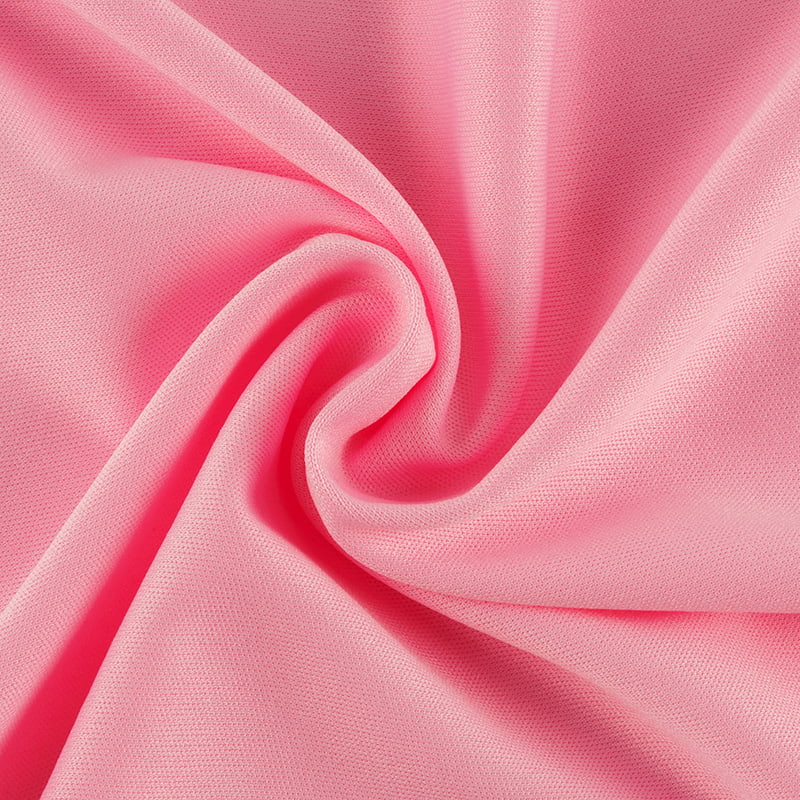
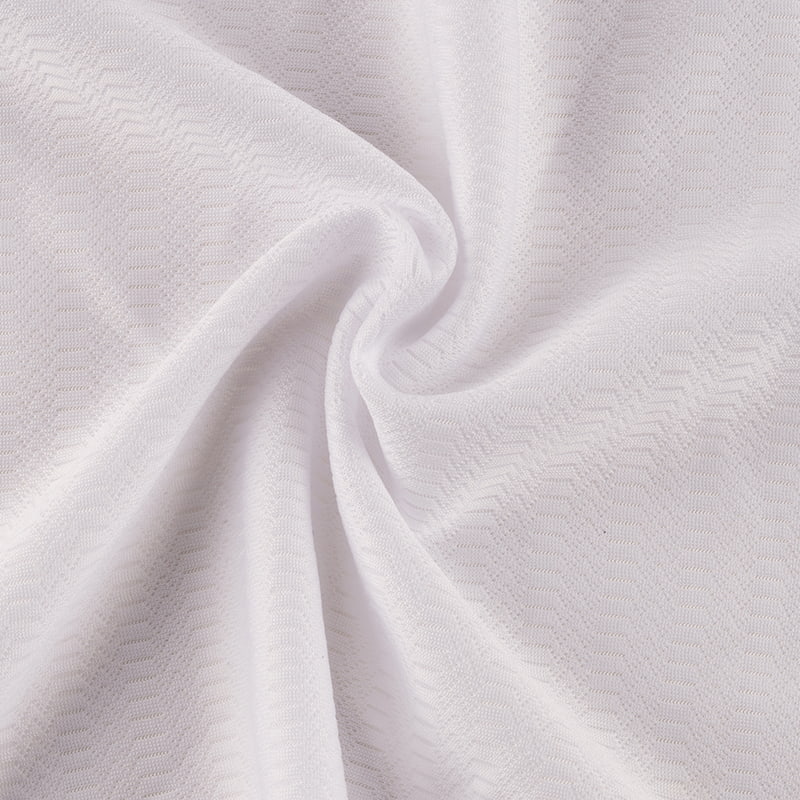
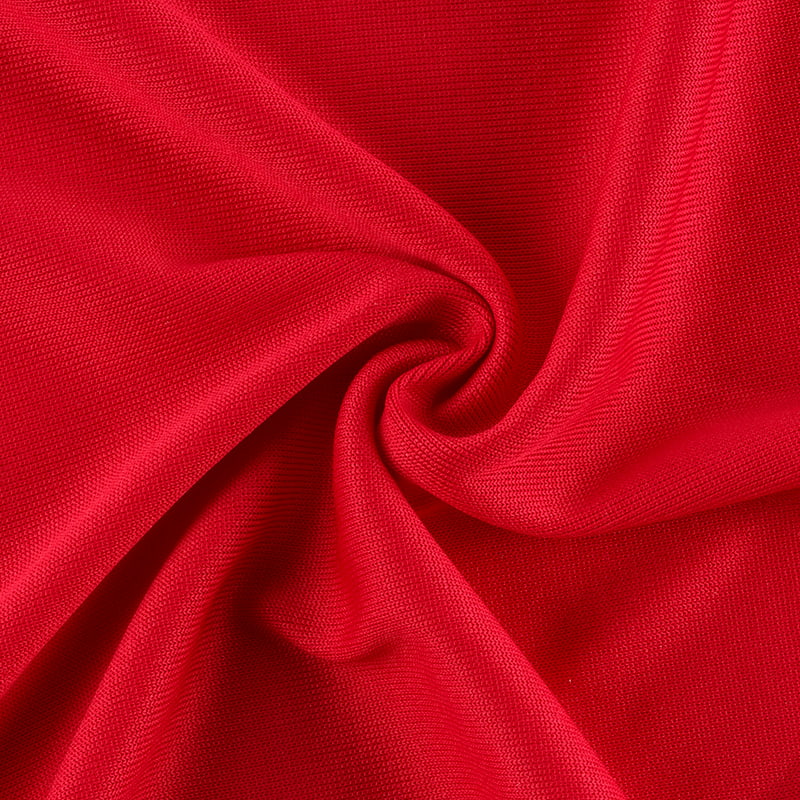
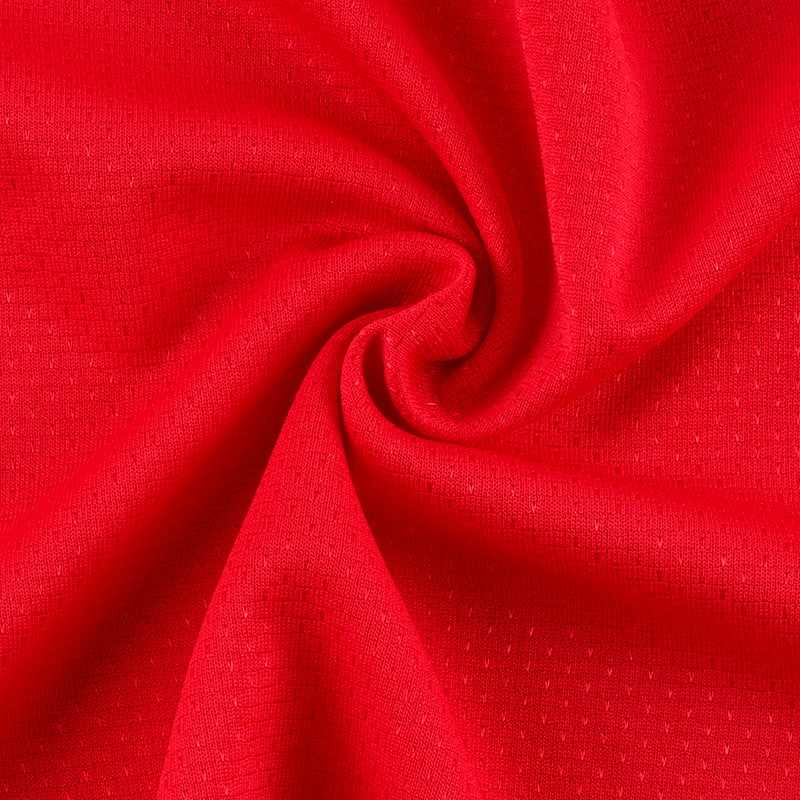
Imagine a purchasing agent at a sportswear company holding a small square of fabric between two fingers. She bends it, stretches it, peers at the surface under daylight, then compares it with a second square in a different shade. That small square is a fabric swatch—a precise, physical preview of a textile that may eventually be produced in thousands of meters. A fabric swatch is a representative sample cut from a larger roll of fabric, used to judge color, texture, hand feel, weight, and suitability for a particular product before committing to quantity.
What Makes a Swatch Different from a Textile Sample?
In the textile trade, the word “sample” can refer to many things: a full cut yard, a garment prototype, or a lab dip. A swatch, however, is specifically a small piece, usually 4 to 6 inches square, taken from the same cloth that will be delivered in bulk. It is the simplest and most direct reference to the actual product. While a laboratory dip only shows color on a small rectangle of fabric, a true swatch comes from the finished fabric construction—meaning it carries the same weave, knit structure, yarn count, and finishing treatment as the final goods.
This distinction matters because many defects only appear when you handle the cloth. A digital image cannot convey that a polyester compact yarn has a smooth, slightly cool hand, or that a brushed mesh has a soft nap on one side. That information is locked in the physical swatch.
Why Fabric Swatches Are Essential Before Ordering
When you order fabric from a supplier, you might think a specification sheet is enough. It lists fiber content, width, weight, and color codes. But it cannot tell you how the material will feel on skin, how it will fold into a collar, or how it behaves after washing. Even two rolls of the same composition can feel different because of variations in knitting tension, dyeing, or finishing.
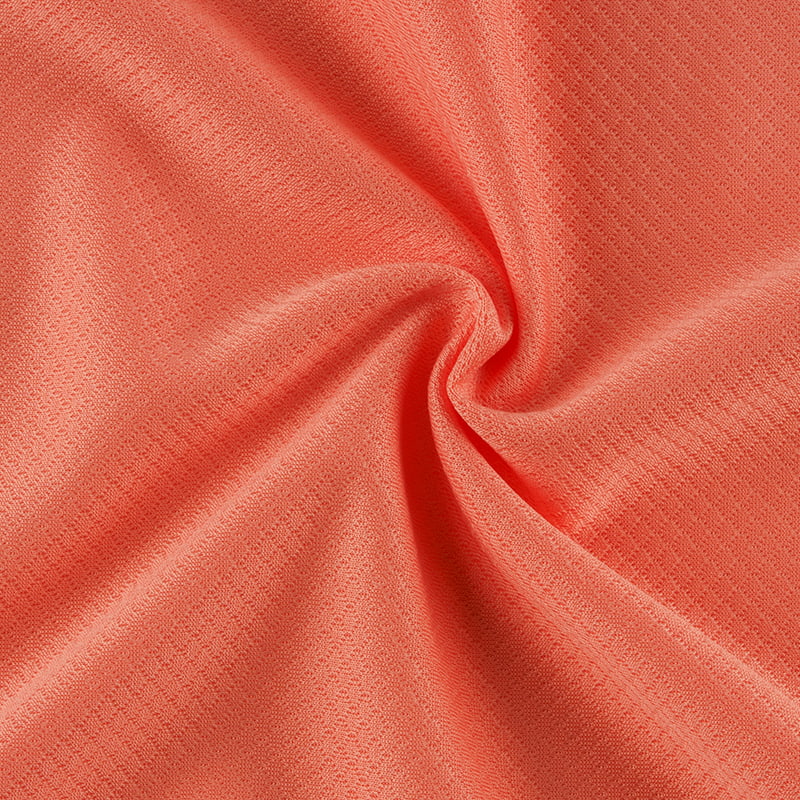
For a T-shirt made from a compact yarn, for example, the right double-sided flat fabric should feel stable but not stiff, with a smooth surface that prints well. A 75/72 polyester double-sided flat fabric made for T-shirts is exactly the kind of fabric you want to swatch before ordering production yardage. You can check its recovery after stretching and how it handles pre-shrinkage in the wash.
 75/72 Double-Sided Flat Fabric For T-Shirt75/72 Double-sided flat fabric for t-shirt is precision-woven from 75D72F. This fabric offers excellent strength, abrasion resistance, and comfort, making it suitable ...View Product →
What to Look for in a Fabric Swatch
When you receive a swatch, do not just look at it. Use it. Press it, twist it, hold it up to the light. Evaluate it with the same criteria you would apply to the finished product.
| Property | Why It Matters | How to Check |
|---|---|---|
| Color and shade | Ink on paper cannot match dye on fiber; even the same color differs across substrates. | Compare under daylight and artificial light. |
| Hand feel | Softness, stiffness, and texture affect comfort and sewing behavior. | Feel the surface; crush a corner in your palm. |
| Drape | How the fabric hangs determines whether it suits a dress, shirt, or jacket. | Hold one edge and let it fall. |
| Weight (GSM) | Weight influences end use and seasonal positioning. | Check the listed GSM or weigh the swatch if known. |
| Fiber content | Blend drives care, durability, and cost. | Read the label or ask the mill. |
| Finish | Water repellency, brushing, and anti-UV treatments add value. | Look for finish details on the swatch card. |
Standard Swatch Sizes and Formats
Fabric swatches come in a range of sizes. In garment manufacturing, common formats are 4 x 4 inches (10 x 10 cm), 6 x 6 inches (15 x 15 cm), and sometimes 10 x 10 inches (25 x 25 cm). Larger swatches are preferred for fabrics with a pronounced pattern repeat, such as jacquard weaves or mesh structures with a motif. A swatch that is too small may hide a repeat and mislead the viewer. In many cases, suppliers send loose swatches or mount them on cards that list the article number and composition. For pattern-heavy designs, understanding the difference between single-sided and double-sided flat fabrics may require a larger card so that both sides are visible.
How to Request Swatches from a Fabric Supplier
Requesting swatches is a standard part of B2B fabric buying. Most textile manufacturers are used to sending swatches to buyers before an order is placed. To get useful samples, state your intended application clearly: for example, “a breathable double-sided mesh for football jerseys” or “a lightweight flat fabric for women’s T-shirts.” Ask for at least two color options if color matching is uncertain. Also ask whether the swatch is from current stock or a new development, and whether a larger yardage sample is available for wash testing. A professional supplier will usually prepare swatch cards with the article code and basic specifications.
How to Build and Organize a Swatch Library
Designers, merchandisers and procurement teams all keep swatch libraries for future reference. A good library is organized so that anyone can find a fabric quickly. Sort by category—flat, mesh, jacquard, warp knit—and then by color or application. On each swatch card, record the product code, fiber content, weight, finish, and supplier contact. In a small studio, bind them into ring folders; in a factory, use wall boards or digital indexes that mirror the physical files. The goal is to let a client say “I liked the blue ribbed mesh” and have that fabric ready within seconds. When you reorder, the swatch becomes your evidence of the agreed quality standard.
How Fabric Manufacturers Use Swatches in Production
In a weaving or knitting mill, swatches play a role at several stages. First, a fabric developer makes a small trial to check the construction. Then the sales team sends that swatch to the customer for approval. Only after the customer signs off on the physical piece does the order move to bulk production. Later, quality control keeps a sealed reference swatch to verify that the production run matches the approved sample. This workflow is why swatches are more than paper squares—they are points of reference between buyer and supplier.
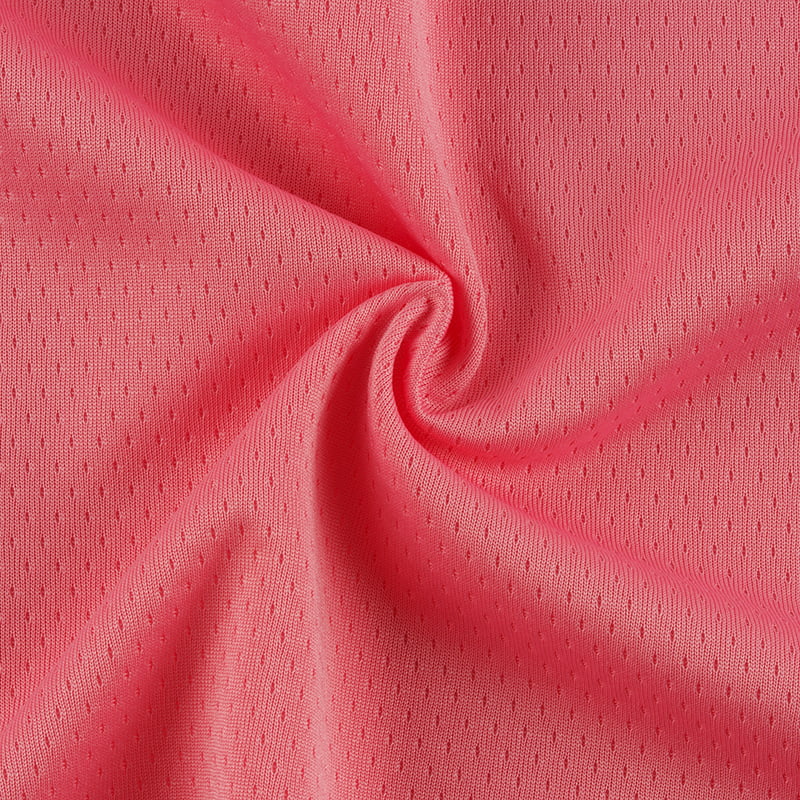
For performance fabrics, this process is even more critical. A breathable double-sided mesh fabric used for sportswear may look right in a photo, but only the physical swatch can confirm its openness, stretch, and recovery. The performance benefits of mesh fabrics are well documented in our mesh production overview. Similarly, a jacquard with a repeated logo or stripe pattern needs a full-repeat swatch before the mill invests in setting up the loom. For sports team apparel, a custom jacquard that combines both structure and color can be fully judged only from an actual sample.
 Breathable Double-Sided Mesh FabricBreathable double-sided mesh fabric's double-sided mesh construction provides excellent airflow, effectively helping regulate body temperature and keep you dry, making...View Product →
 Double-Sided Jacquard Fabric For SportsDouble-sided jacquard fabric for sports features a reversible design, allowing for both sides to be used, offering a variety of graphic effects. This fabric not only m...View Product →
Common Swatch Mistakes to Avoid
- Relying only on product photos: even high-resolution images hide hand feel and drape.
- Using a swatch that does not match the production lot: ask whether the swatch is from the same batch.
- Ignoring the finish: a water-repellent finish can change after washing, so ask for care information.
- Requesting a swatch that is too small to show the pattern repeat: ask for a full-repeat piece.
- Not labeling swatches: months later, no one remembers the fiber or supplier.
The Bottom Line
A fabric swatch is a simple but indispensable tool in textile procurement. It translates an entire roll of fabric into a piece you can hold, test, and compare against your product requirements. For manufacturers and buyers alike, it reduces the risk of expensive mistakes, shortens communication loops, and ensures that what you approve in the office is what arrives at the factory. Whether you are sourcing T-shirt fabrics, mesh inserts, or custom jacquard patterns, always start with a swatch. It is the closest you can get to touching the finished product before the garment exists.