

 English
 中文简体
 русский
 Español
 عربى

Content
Chenille and boucle sit close together on the shelf and feel worlds apart in the hand. One is dense, velvety, and almost liquid in the way it folds. The other is nubby, dry, and full of small shadows that shift as the light moves across it. Buyers, designers, and product developers ask about them in the same breath, usually because a sample looked beautiful and the follow-up questions only arrive later. Will it pill? Will it snag? Will it hold a shape? Will it survive a wash cycle without turning into something else entirely?
Both fabrics earn their place in knitwear, home textiles, and upholstery, but they get there through completely different construction logic. Understanding that logic makes the choice much simpler, and it also helps when you brief a mill on what the finished fabric actually needs to do. This guide walks through how each one is built, how each behaves in wear, and where each one tends to win.
What Chenille and Boucle Really Are
In textile language, both names come from French and both describe a structure rather than a fiber. That is the single most common source of confusion. People assume chenille is one material and boucle is another, when in fact either one can be made from cotton, viscose, acrylic, polyester, wool, or a blend of several.
Chenille yarn and chenille fabric
Chenille is French for caterpillar, and the image hardly needs explaining. A chenille yarn has a core, with short fiber tufts standing out from it along its length, which gives the strand a fuzzy, segmented look not unlike the insect. The tufts can be cotton, viscose, acrylic, polyester, wool, or a blend, and the fiber choice changes the hand, the price, and the wear behavior more than most people expect.
Because those tufts are short fibers spun into a core rather than woven into a ground structure, a chenille fabric tends to shed a little during cutting and sewing. That is normal, not a defect, but it does mean the material rewards careful handling in the sample room and a considered seam finish in production.
Boucle yarn and boucle fabric
Boucle takes a different structural route. The word means curled or looped, and in a boucle yarn a proportion of the fibers form small, closed or semi-closed loops that stand away from the main strand. When that yarn is knitted or woven into cloth, the surface becomes irregular and pebbled, with a dry, matte look that catches light in patches rather than evenly.
As with chenille, boucle can name the yarn, the cloth, or both. A boucle effect can also be built directly into a knit structure without using a looped yarn at all, which is something mills do often because it gives the look without the handling problems.
The practical takeaway is simple. When someone says chenille, think pile. When someone says boucle, think loops. Almost every difference in performance between the two follows from that starting point.
How the Two Fabrics Are Built
Construction decides everything downstream. A chenille fabric hides its strength in the density of its pile, while a boucle fabric hides its character in the openness of its loops. Neither approach is better in the abstract, but each one imposes its own rules on cutting, sewing, and finishing.
Chenille can be woven or knitted. In a knit, the pile yarns are held in place by the loop structure of the ground, which is why a well built chenille knit can feel plush yet still hold a shape. In a woven chenille, the pile sits along the weft direction and gives the cloth a directional nap that needs to be respected during cutting. Lay the pattern pieces the wrong way and the panels will read as different colors under the same light.
Boucle behaves differently because its loops sit proud of the surface. In a knitted boucle, the looped yarns are locked into the ground structure, which is why the difference between warp knit and weft knit structures matters so much when surface yarns are involved. A weft knit tends to be more extensible and forgiving, while a warp knit holds its shape with far less stretch. Choose the wrong one and the loop density will not match the garment's intended silhouette.
There is also a third path worth knowing about. Many mills create boucle style surfaces by engineering the knit structure itself, using tuck stitches, float stitches, or raised patterns to produce texture without introducing loose loops. That approach keeps the visual character while removing the snag risk that comes with floating yarn.
Hand Feel, Texture, and Visual Weight
Put a chenille swatch and a boucle swatch side by side under a window and the difference is immediate. Chenille absorbs light. Its pile creates a soft, deep surface that looks richer in low light and slightly darker in bright light, because the fibers trap and scatter the illumination rather than reflecting it. Boucle does the opposite. Its loops bounce light in irregular directions, so the color reads lighter and more animated, with visible highs and lows across the surface.
In the hand, chenille is plush, heavy, and smooth against the skin in one direction and slightly rougher in the other. It drapes with a soft, fluid fall and tends to mold itself to whatever shape it covers. Boucle is drier, springier, and noticeably lighter for the same thickness. It holds a crisper fold and keeps more of its own volume instead of collapsing onto the body.
That difference in drape shapes the design brief. Chenille suits silhouettes that want softness and movement, such as relaxed sweaters, throws, and slipcovers. Boucle suits structured shapes that benefit from body and definition, such as boxy jackets, shift dresses, and cushion covers that need to keep their form.
Chenille at a glance
- Velvety, dense surface with a soft sheen
- Heavier and more fluid in drape
- Warm and comforting against the skin
- Hides seams and stitching very well
- Shows crush marks and pile direction
Boucle at a glance
- Pebbled, looped surface with a matte finish
- Lighter and springier with more body
- Dry to the touch and often slightly warm
- Masks soiling and shading effectively
- Shows pulled loops and snag marks easily
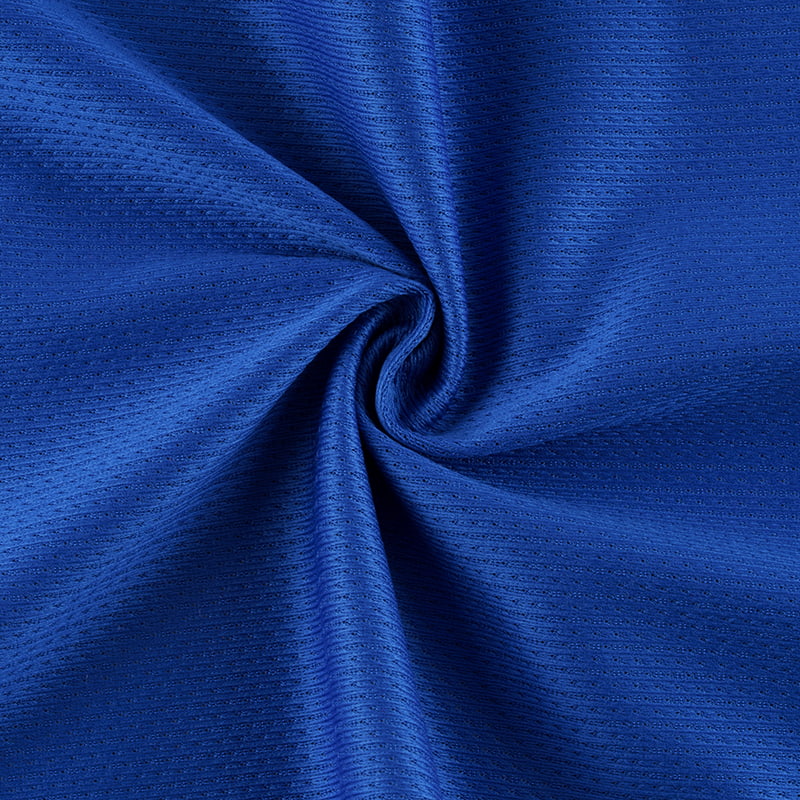
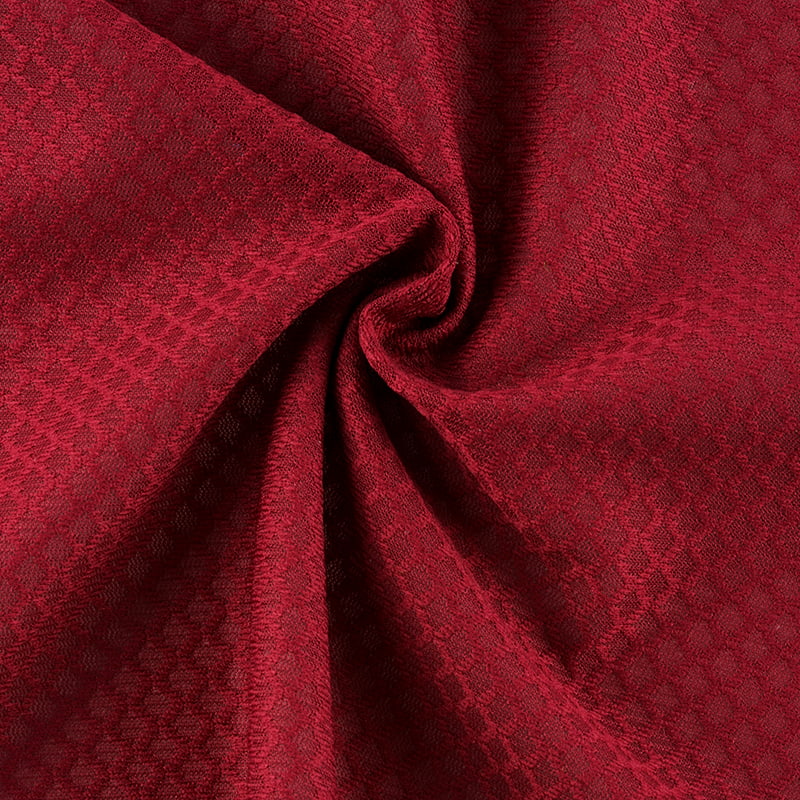
When a brief calls for that pebbled, dimensional surface but the garment still has to pass through a cutting room without shedding or snagging, a structured knit can deliver the look without the handling problems of a true looped yarn. A fish scale double sided mesh, for instance, builds a repeating scale pattern straight into the fabric, so the surface reads as richly textured while the structure stays locked and predictable.
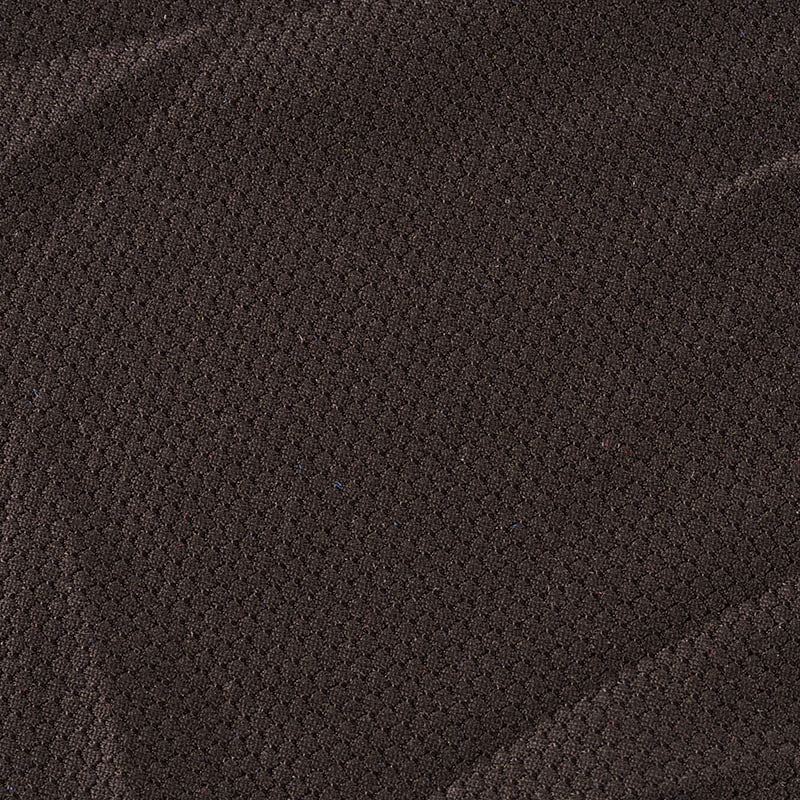 Fish Scale Double-Sided Mesh Fabric with Jacquard TextureA fish-scale jacquard double-sided mesh that builds dimensional surface texture into a stable knit, suited to sportswear, fitness wear, and outdoor gear needing breathability.View Product →
Warmth, Breathability, and Moisture
Warmth in a fabric comes mostly from trapped air, and both chenille and boucle trap a great deal of it. The difference lies in how easily that air moves and how readily moisture escapes.
Chenille is the warmer of the two in still conditions. Its dense pile holds a thick, stable layer of air close to the body, which is why chenille robes, blankets, and winter sweaters feel so immediately cozy. The trade-off is breathability. That same density slows airflow, so heat and moisture build up during activity. A heavy chenille garment worn indoors or during movement can start to feel clammy rather than comfortable.
Boucle traps air in the gaps between its loops, which gives it a good warmth to weight ratio. Because that air is held in a more open structure, it circulates more freely, so boucle feels warmer than its weight suggests without becoming stifling. It also dries faster after moisture exposure, which matters for outerwear and for any piece that will be worn across a range of temperatures.
Where thermal comfort and drying speed sit higher on the priority list than surface texture, the knit structure itself can carry the load. Double sided mesh fabrics are a clear illustration of how open loop geometry moves moisture and heat away from the skin while keeping a clean, stable face on both sides.
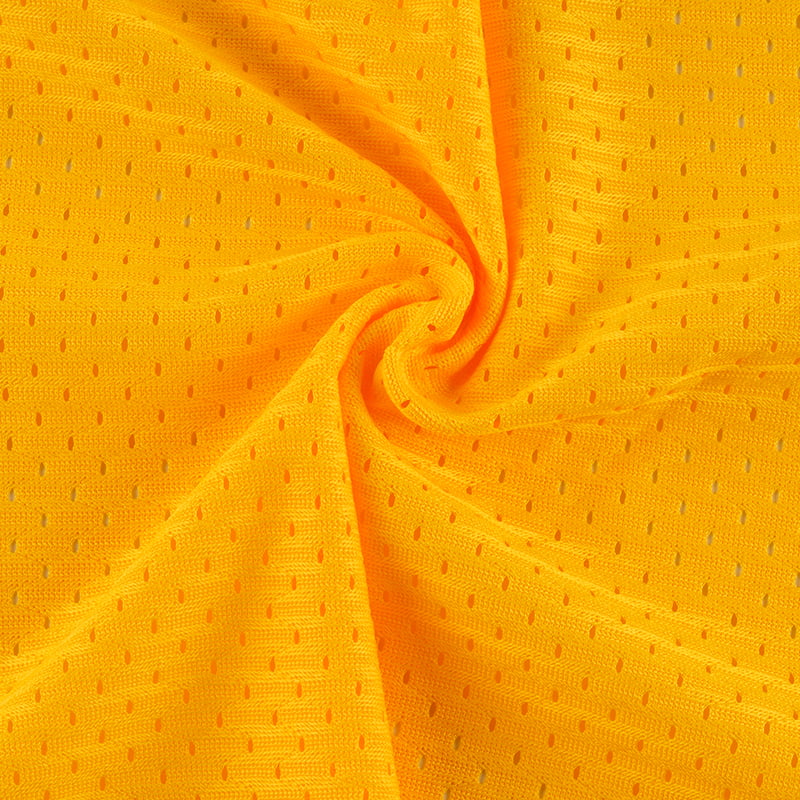
double sided mesh fabricsA quick drying double sided jacquard fabric follows the same principle. It manages moisture at the structural level while keeping the face and back clean, which suits performance tops, team kits, and activewear panels where a heavy pile would be the wrong answer.
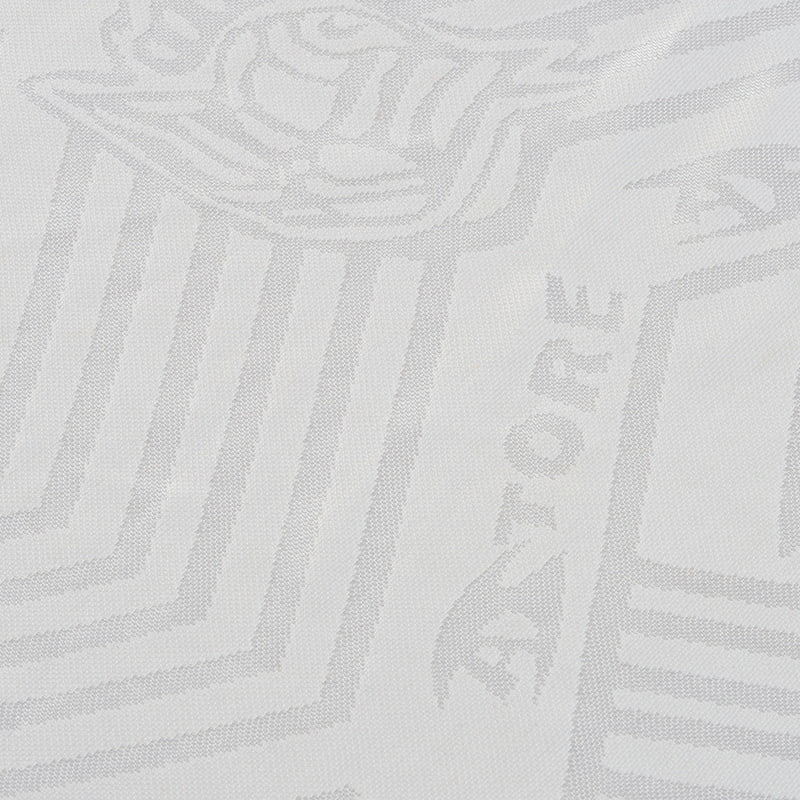 Quick-Drying Double-Sided Jacquard Fabric for ActivewearA quick-drying double-sided jacquard with intricate surface patterning, positioned for performance tops, team kits, and activewear panels where moisture management matters.View Product →
Durability, Pilling, and Snagging
This is where the two fabrics part company most sharply, and where most returns and complaints originate.
Chenille fails in a predictable way. The pile fibers that make the fabric feel wonderful are also the fibers that wear first. Friction from seat belts, bag straps, and chair arms gradually flattens the pile, so the fabric develops shiny patches where the tufts have matted down. With enough abrasion, short fibers work loose and form pills, which are difficult to remove without disturbing the surrounding pile. The good news is that chenille resists snagging almost completely, because there are no loops for a fingertip or a zipper tooth to catch.
Boucle fails in the opposite direction. Its loops are structurally secure but they sit above the surface, which makes them vulnerable to being pulled. A ring, a watch clasp, a pet claw, or a rough zipper can catch a single loop and draw it out, leaving a visible pull that cannot be pushed back in. Pilling is less of an issue than with chenille, but the fabric can develop a fuzzy, brushed appearance over time as the loop surface abrades.
- Chenille wears out from the inside through matting and pilling
- Boucle wears out from the outside through snagging and loop pulls
- Both benefit from a smooth lining in high friction areas
- Both should be cut with sharp blades to avoid ragged edges
- Neither should be pressed flat with a hot iron
For upholstery, that distinction matters. In a home with pets or small children, a boucle sofa will collect pulled loops that no one can repair invisibly. In a home with heavy daily use and constant friction, a chenille sofa will develop shine on the seat cushions long before the structure fails.
Side by Side Comparison
| Property | Chenille | Boucle |
|---|---|---|
| Surface texture | Velvety and dense | Pebbled and looped |
| Base structure | Pile fibers standing from a core | Loops formed along the yarn |
| Typical fibers | Cotton, viscose, acrylic, polyester, wool | Wool, cotton, acrylic, polyester, blends |
| Drape | Fluid and heavy | Springy and structured |
| Warmth | High in still air | Good relative to weight |
| Breathability | Lower because pile blocks airflow | Better because loops hold open air |
| Pilling risk | High | Moderate |
| Snag risk | Low | High |
| Drying speed | Slow | Faster |
| Light interaction | Absorbs and deepens color | Scatters and lifts color |
| Common end uses | Sweaters, throws, robes, slipcovers | Jackets, dresses, cushions, seating |
Where Each Fabric Shines
Chenille in apparel and home textiles
Chenille earns its place wherever softness and warmth matter more than crisp structure. Chunky chenille sweaters, loungewear, robes, and baby blankets all play to its strengths. In the home, chenille throws and cushion covers feel generous and inviting, and the fabric's ability to hide stitching makes it forgiving for decorative projects.
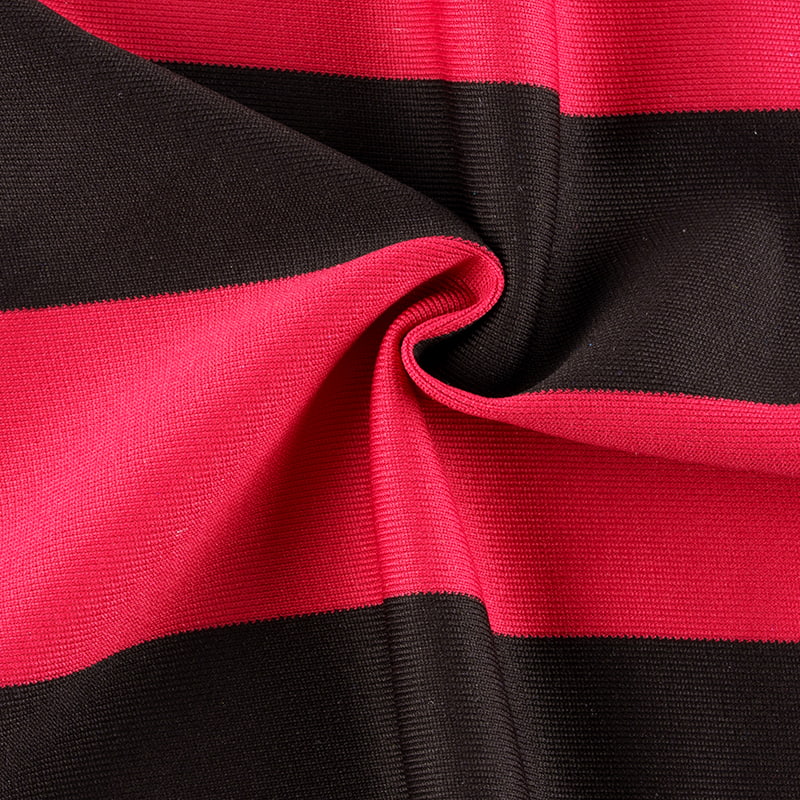
For everyday basics that need to be soft, stable, and predictable through repeated washing, a balanced double sided flat fabric is often the safer starting point than a textured yarn. One of our 75/72 double sided flat fabrics was developed specifically for T-shirt production, which makes a useful reference point when the goal is comfort rather than drama.
 75/72 Double-Sided Flat Fabric for T-ShirtsA 75D72F double-sided plain-weave flat fabric for T-shirts and durable everyday apparel, offering breathability, moisture wicking, and wrinkle resistance.View Product →
Boucle in structured and statement pieces
Boucle comes into its own when a garment needs presence. Boxy jackets, collarless coats, shift dresses, and skirt suits all benefit from its body and its dry, textural surface. The fabric photographs well because the loops create visible depth, which is one reason it keeps returning to seasonal collections.
In interiors, boucle is a natural fit for accent chairs, headboards, and decorative cushions where the piece will not be subjected to constant friction. It reads as considered and modern without needing pattern or print.
Blended approaches
Some of the most interesting commercial fabrics borrow from both ideas. A structured knit can carry the visual weight of boucle while handling like a flat fabric, and a brushed or pile finished knit can deliver chenille softness with a more predictable cut edge. When a design calls for texture but the production line demands stability, a structural solution usually beats a yarn based one.
Care and Maintenance
Neither fabric is difficult, but both punish careless treatment. A few habits keep them looking better for longer.
Washing
- Turn garments inside out before washing to protect the surface
- Use a gentle cycle with cool water and a mild detergent
- Avoid fabric softener, which coats pile fibers and dulls the surface
- Wash chenille separately for the first few cycles to manage shedding
- Never wring or twist either fabric by hand
Drying
- Lay flat to dry whenever possible, reshaping the garment while damp
- If a tumble dryer is used, choose the lowest heat setting available
- Remove items while still slightly damp to reduce creasing
- Avoid hanging heavy wet chenille pieces, as the weight stretches the knit
Storage and repair
Fold rather than hang, especially for heavier weights. Store away from rough hardware and zippers, since boucle loops will catch on almost anything. For small chenille pills, a fabric shaver used lightly will tidy the surface, but press gently because aggressive shaving thins the pile. For a pulled boucle loop, never cut it. Use a fine needle to work the loop back through to the reverse side and secure it with a tiny stitch.
A Buying Checklist for Sourcing Teams
When you evaluate a chenille or boucle fabric for production, the sample in your hand tells only part of the story. These questions tend to surface problems early, while there is still time to adjust.
- What is the fiber content, and how does it behave after ten home launderings?
- How much does the fabric shed, especially during cutting and sewing?
- What is the pile or loop height, and how does it change after abrasion testing?
- Does the fabric have a directional nap that affects cutting layout?
- What is the shrinkage rate, and has it been tested after washing and drying?
- How does the surface respond to standard pilling tests?
- Is the color consistent across the width and along the length of the roll?
- What needle, thread, and stitch type does the fabric perform best with?
- Does the fabric need a lining or backing for the intended end use?
- What is the minimum order quantity, and how does it change with custom color?
Testing is where texture meets reality. A chenille that passes a pilling test with a good rating and a boucle that holds up to snag testing will both perform well in the field. A beautiful surface that fails either test will generate complaints regardless of how it looked on the hanger.
It also helps to compare like with like. A lightweight boucle knit and a heavy boucle upholstery fabric share a name but almost nothing else. Weight, gauge, and backing all change the outcome, so always evaluate the specific construction you plan to buy rather than the category as a whole.
Choosing between chenille and boucle comes down to one question asked early and clearly. Do you want softness and warmth with the risk of pilling, or do you want texture and body with the risk of snagging? Once that is settled, the rest follows. Chenille rewards projects that value comfort and fluid drape, especially where abrasion is light and washing is gentle. Boucle rewards projects that value structure and visual depth, especially where the piece will not rub against rough surfaces every day.
For mills and sourcing teams, the honest answer is that both are worth keeping in the development book. The real skill lies in knowing which one suits the end use, testing it properly, and briefs the supplier with enough detail that the fabric that arrives matches the swatch that won the order. Get that right, and either choice becomes the correct one.